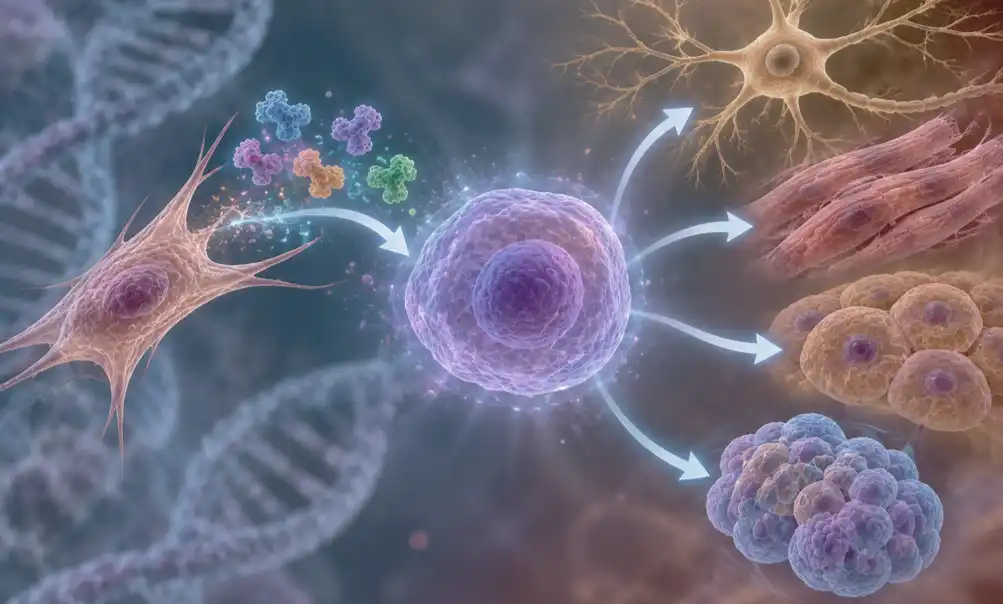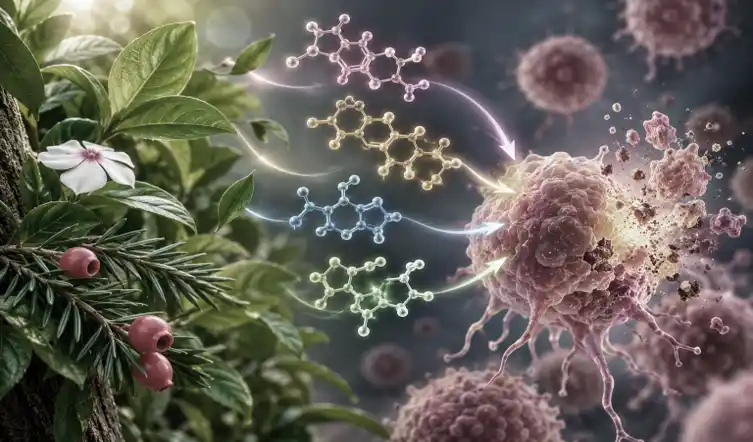
A tree may never wave at you or cry out in pain, yet it is far from silent. Every leaf, root, and flower is busy collecting information from the world around it. A plant is like a living weather station, a chemical factory, and a communication network, all rolled into one. “I cannot walk away,” the plant seems to whisper, “so I must understand everything around me.” How, “Still waters run deep.” In the same way, the quiet life of a plant hides extraordinary biological activity that scientists are only beginning to understand.
For centuries, people believed plants were little more than green decorations standing quietly in fields and forests. Unlike animals, they cannot run from danger, chase food, or make sounds we can hear. This made many people think plants were passive and unaware of their surroundings. But modern science is changing that picture.
Researchers are now asking an exciting question, do plants actually feel? The answer is more complex than a simple yes or no. They do not feel happiness, sadness, or fear as humans do, but they are incredibly skilled at sensing the world around them.

This fascinating idea has sparked lively discussions among scientists. As highlighted in Natasha Myers’ Conversations on Plant Sensing, researchers carefully choose their words because terms such as feeling, thinking, and intelligence often make people compare plants with humans.
Ironically, while scientists avoid giving plants human qualities, many experiments reveal that plants perform surprisingly complex tasks. Even in laboratories, researchers sometimes catch themselves saying, “The plant is trying to defend itself,” or “This molecule wants to bind,” showing how naturally human language slips into scientific explanations.
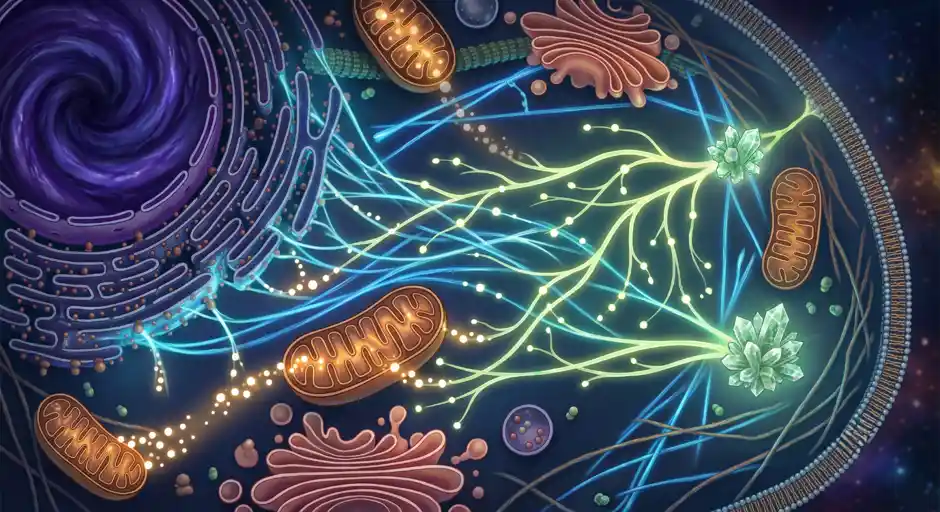
Plants continuously monitor their surroundings with remarkable precision. They detect sunlight, gravity, temperature, humidity, touch, water, nutrients, harmful microbes, hungry insects, and even chemical signals released by neighbouring plants. Every second, countless messages travel through their tissues. It is like a city where millions of phone calls happen at the same time without anyone speaking a single word. Scientists describe these communication systems using the term signal transduction, the process by which cells receive information and convert it into biological responses.
Unlike humans and animals, plants have no brain, spinal cord, or nervous system. Yet they have developed another brilliant strategy. When an insect bites a leaf or a branch is touched, waves of calcium, electrical signals, plant hormones, protein modifications, and gene activity spread rapidly through the entire organism.
One part of the plant quickly informs another, almost as if the leaves are calling the roots to say, “Be ready, trouble has arrived.” This silent communication allows the whole organism to work together without a single neuron.
Much of this communication travels through tiny microscopic channels called plasmodesmata. These narrow bridges connect neighbouring cells, allowing proteins, RNA molecules, hormones, and defence signals to move from one cell to another. They are like biological highways linking millions of tiny houses into one connected city. Information flows smoothly between roots, stems, leaves, and flowers, helping every part of the plant respond as one coordinated living system.

Plants also possess an impressive sense of time. Hidden inside every cell is a circadian clock that works like an invisible wristwatch. This natural clock controls flowering, photosynthesis, nectar production, pollen release, and many other daily activities. Bees and other pollinators often adjust their own schedules to match these floral timings. It is less like coincidence and more like a perfectly rehearsed orchestra, where every performer knows exactly when to begin.
Perhaps even more surprising, plants can also form biological memories. They do not remember birthdays or faces, but they remember stressful experiences at the molecular level. After surviving drought, heat, insect attacks, or disease, many plants alter gene activity through epigenetic changes. These changes help them respond more quickly if the same problem appears again. It is like learning to carry an umbrella after getting caught in heavy rain once. Scientists call this adaptive memory, a remarkable survival strategy built into living cells.
These discoveries have transformed the way scientists understand plant biology. Researchers now see plants as active partners constantly negotiating with their environment rather than passive spectators. Roots search for water and nutrients, leaves adjust themselves to capture the best sunlight, flowers release attractive scents for pollinators, and defensive chemicals are produced only when danger appears. Every decision is guided by chemistry, electrical signals, and gene regulation instead of muscles or brains.
Still, an important question remains. Should scientists describe these abilities as intelligence or consciousness? Most researchers prefer to avoid such words because they may confuse scientific evidence with human emotions. There is currently no proof that plants experience joy, sadness, pain, or conscious awareness. However, there is overwhelming evidence that they sense their surroundings, process information, communicate internally, and adjust their behaviour for survival. In other words, plants may not think like humans, but they certainly do not live blindly.
The next time you walk through a forest or water a small garden, look beyond the green leaves. Beneath every branch lies an extraordinary biological network that is constantly listening, responding, and adapting. Nature reminds us that there is more than one way to solve life’s challenges. Animals chose movement, humans developed brains, but plants mastered the quiet language of chemistry. Their greatest conversation happens without voices, proving that silence can sometimes speak louder than words.
Source: Natasha Myers (2015). Conversations on plant sensing. Nature Culture, 3, 35-66.