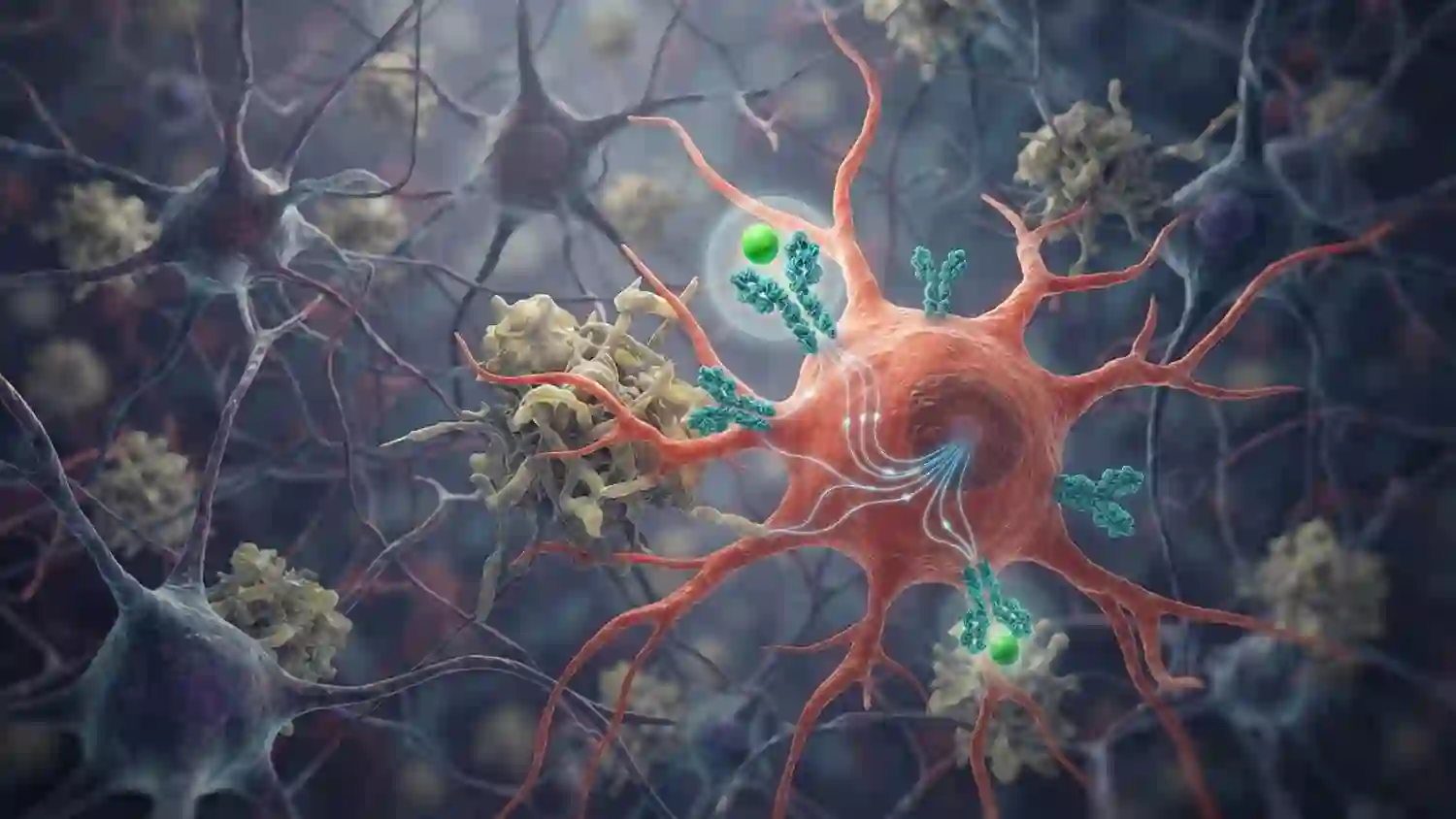
Deep inside the dark, hollow centres of your bones lies a microscopic metropolis. This is your bone marrow, a high-tech factory working 24/7 to pump out trillions of fresh, energetic blood cells that keep you alive. In this bustling city, the real heroes are the structural “maintenance workers” known to scientists as stromal cells. They build the architecture, clean the streets, and nurse fragile baby stem cells until they grow up into fierce, disease-fighting white blood cells. In simple terms, bone marrow is like a busy city where every cell has a job, from construction and cleaning to producing the cells that keep the body running.
This microscopic city may be hidden from our eyes, but its work never stops. Red blood cells carry oxygen, white blood cells defend the body, and platelets help control bleeding. Behind all this activity sits a carefully organised cellular neighbourhood, where signals and support systems keep blood production on track. When that neighbourhood remains healthy, the factory hums along quietly.
But as the years roll by, a silent serial killer sneaks into town. It starts with a single, microscopic typo in the DNA of just one blood stem cell. Doctors call this sneaky genetic mutation Clonal Haematopoiesis. At first, this mutant cell doesn’t look like cancer. It doesn’t build a terrifying tumour. Instead, it acts like a toxic, manipulative villain in a psychological thriller. The mutation may give the altered blood stem cell an advantage, allowing its descendants to gradually form a clone, meaning a growing population of genetically related cells.

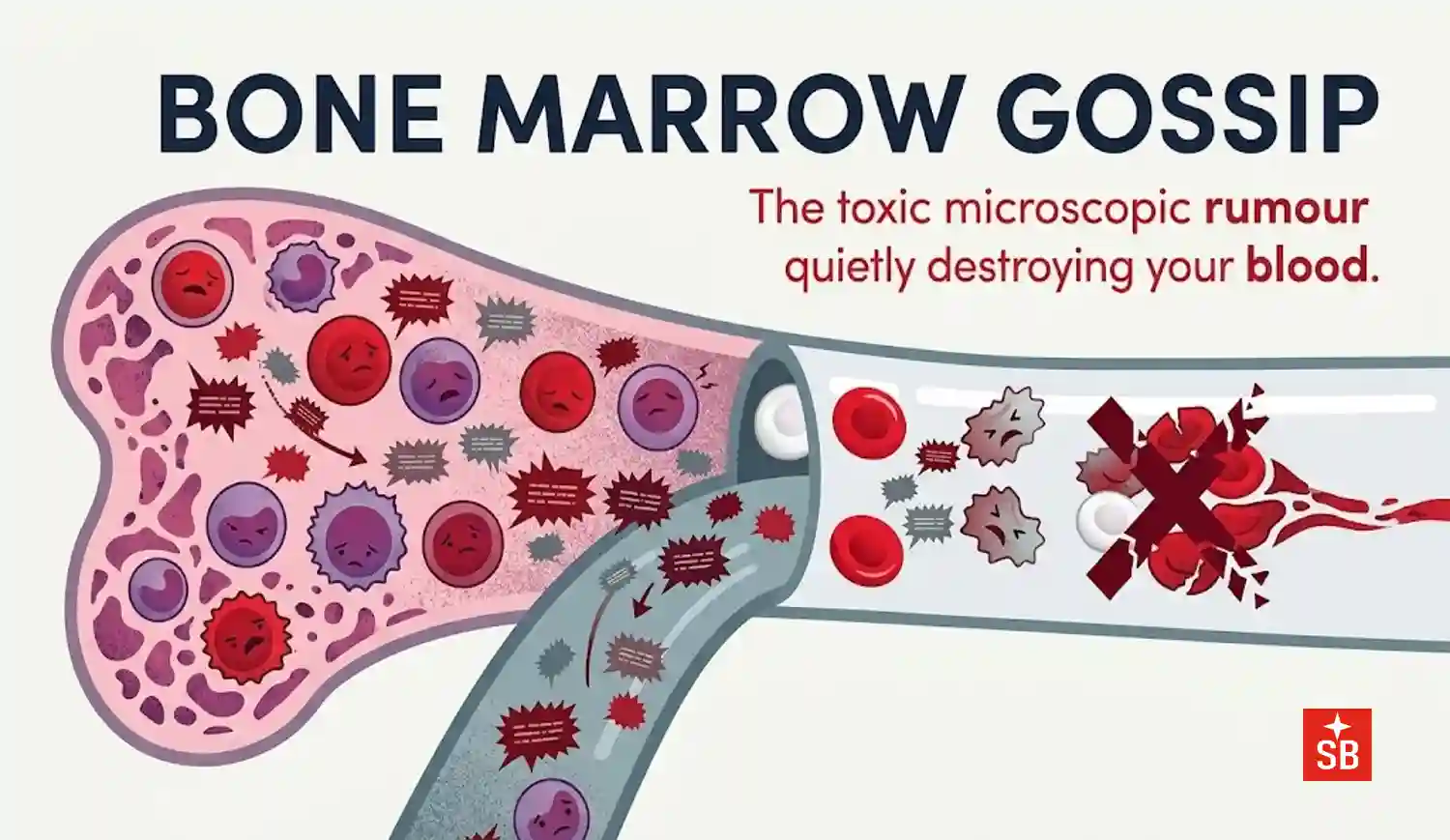
Unable to conquer the city by force, the mutant cell decides to ruin the neighbourhood. It begins to vomit out a slow, poisonous drip of inflammatory chemicals. These chemical weapons are aimed directly at the youthful maintenance workers. In biological language, inflammatory signals can change the behaviour of nearby cells and disturb the supportive environment required for healthy blood formation. The mutant cell is not simply changing itself, it is changing the neighbourhood around it.
What happens next is pure horror. The chemicals trick the young, vibrant stromal cells into rapidly skipping their entire lives, forcing them into premature senescence, a state of decrepit, permanent cellular old age. Imagine a healthy 20-year-old construction worker suddenly waking up with the fragile bones and failing organs of a 100-year-old. That is what the mutant cell does to your bone marrow. Senescent cells do not simply disappear, they can remain metabolically active and release signalling molecules that influence surrounding cells. It is almost as if the old cells begin spreading bad news throughout the neighbourhood.
Biochemically, this is a masterclass in sabotage. As the maintenance workers wither away into old age, they stop producing the vital nutrients and structural scaffolding that normal blood cells need to survive. The city’s infrastructure collapses. The lights go out. The food supply stops. Starved and homeless, your healthy, normal blood cells begin to die off in droves. The result is a vicious cycle, damaged support cells make the environment less friendly to healthy blood production, while the altered clone may cope better with the changing conditions.
This is where a useful scientific idea comes into play, the “microenvironment”. Cells do not live in isolation. They constantly exchange chemical signals with their surroundings, rather like neighbours talking across a street. Change the neighbourhood, and the behaviour of its residents can change too. In biology, the surroundings can sometimes be just as important as the cell itself.
But here is the ultimate twist: the mutant villain is completely immune to its own toxic waste. It possesses a unique biochemical shield that allows it to thrive in the decaying, inflamed wasteland it just created. With the healthy cells starved out, the rogue mutant rapidly duplicates, conquering the empty streets and staging a total cellular coup. This is the cruel irony of the process, the same environment that harms normal cells may give the mutant clone a competitive advantage.
By forcing the bone marrow to age prematurely, this rogue clone builds the perfect evolutionary death trap, the ultimate launching pad for full-blown leukaemia, or blood cancer. But science just figured out how to fight back, and the solution plays out like a blockbuster sci-fi movie. Scientists realised they didn’t need to hunt the invisible mutant villain. They just needed to fix the broken city. The strategy shifts the spotlight from the rogue cell to the ecosystem supporting it, a change in thinking that could open new therapeutic possibilities.
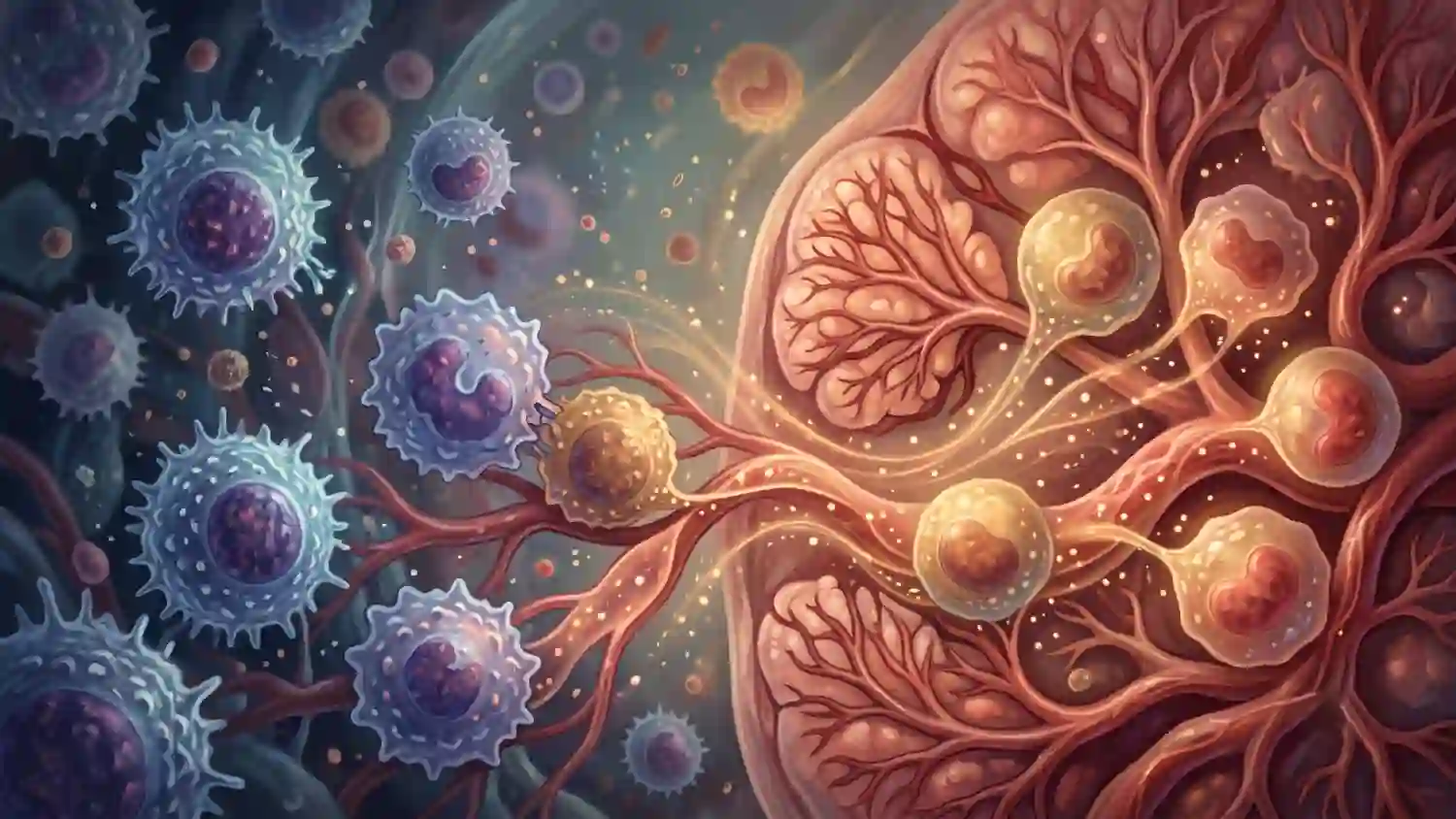
In groundbreaking lab trials, researchers deployed a specialised cellular cleanup crew. These targeted therapies hunted down and obliterated the artificially aged, toxic maintenance cells. The result, a biological miracle. With the decaying cells swept away, the bone marrow’s city walls began to regenerate. The youthful ecosystem was restored. Suddenly, the mutant villain lost its unfair advantage. Deprived of its toxic wasteland, the cancer clone stopped multiplying in its tracks. By treating the environment instead of the disease, medicine has unlocked a revolutionary shield to freeze blood cancer before it even starts.
The deeper lesson is that cancer biology is not always a simple battle between good cells and bad cells. Sometimes, the battlefield itself changes the outcome. If the cellular neighbourhood can be repaired, scientists may be able to make life harder for dangerous clones while giving healthy cells a better chance to recover. It is an old lesson with a modern biological twist, “A healthy house makes a happy home.”
The most fascinating part of this story is therefore not only the mutant cell, but the conversation happening around it. The bone marrow is constantly sending and receiving molecular messages, and when those messages become distorted, the entire system can change direction. What looks like microscopic gossip may actually be a powerful biological signal.
Science is still determining how these findings translate from laboratory models into human treatments. Yet the idea is striking, sometimes the best way to stop a disease may not be to attack the troublemaker directly, but to change the environment that helps it grow. In the microscopic city inside our bones, changing the neighbourhood could become the first step towards changing the future of blood cancer.