For generations, farmers have looked at crops with their eyes. A greener leaf, a taller plant, or a bigger ear of maize often meant a better harvest. But nature has always been writing a secret story beneath the leaves, one invisible to the human eye.
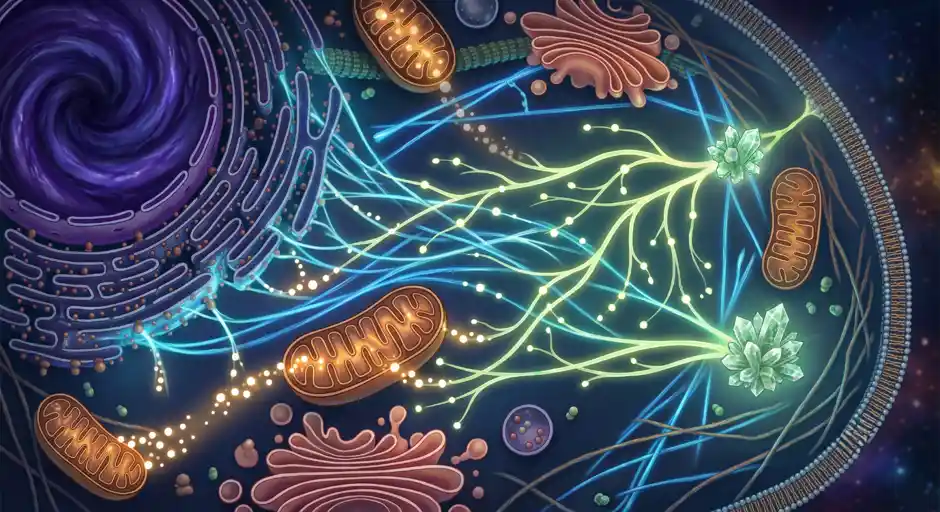
Inside every plant, thousands of genes switch on and off like musicians performing in a grand orchestra, while sunlight, rainfall, and temperature conduct the performance. Now, scientists have taught artificial intelligence to listen to this hidden symphony. As the proverb says, “The eye sees only what the mind knows.” Modern farming is beginning to see what was once invisible.
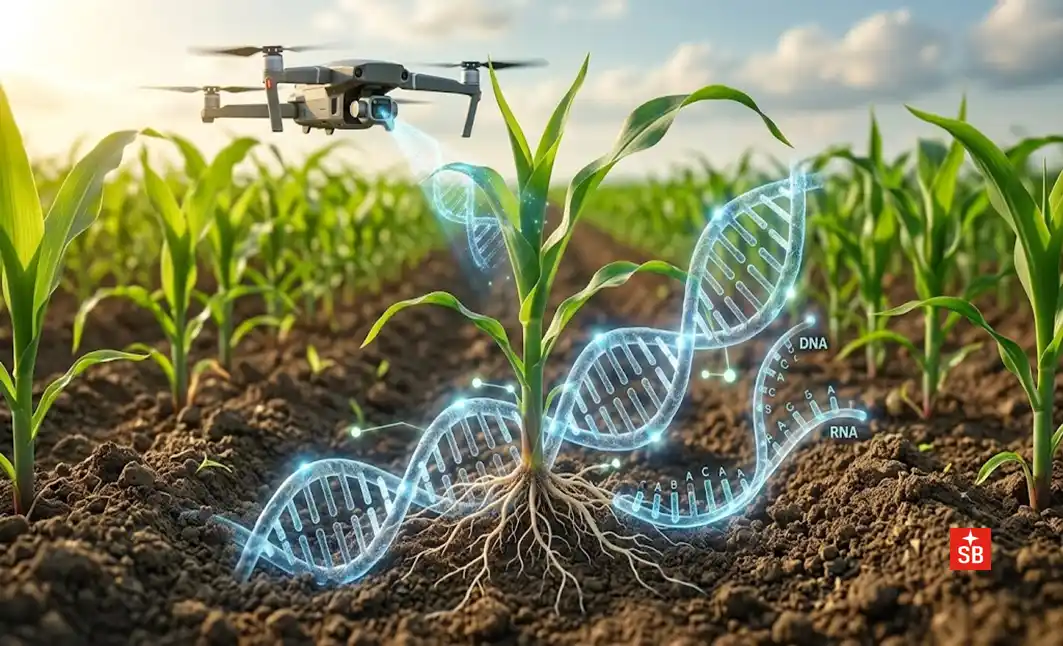
A new study published in The Plant Cell has combined genetics, gene activity, and drone technology to predict how maize plants will grow with remarkable accuracy. Instead of depending on just one type of information, researchers brought together multiple biological layers into one intelligent system. It is like assembling different camera angles to understand an entire cricket match instead of watching only the scoreboard. The result is a powerful digital model that can forecast a plant’s future long before harvest, almost like giving farmers a scientific crystal ball.
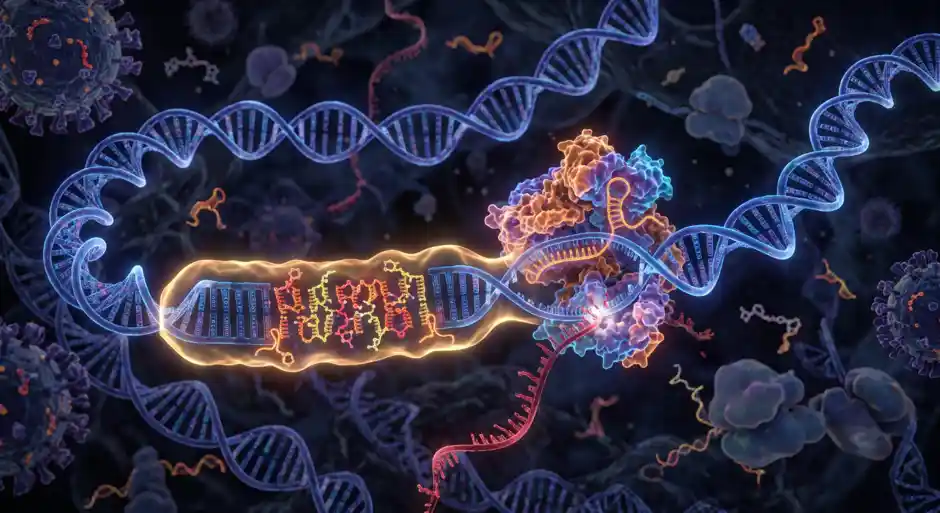
Many people think DNA alone decides everything about a plant, but that is only part of the story. DNA is like the recipe in a cookbook. It tells what ingredients are available, but it does not show what actually happens in the kitchen. Gene expression, known scientifically as transcriptomics, reveals which genes are actively working at a particular moment.
It is the chef following the recipe. The growing plant is the finished meal served on the table. “Do not judge me by my recipe alone,” the maize plant seems to say. “Watch how I cook.” Scientists also used drones to capture detailed images of maize fields throughout the growing season. Flying quietly above the crops, these drones became the farmers’ new eyes in the sky. They recorded tiny changes in plant height, leaf arrangement, canopy shape, and overall health, details that would be nearly impossible for people to measure consistently across thousands of plants. Like an eagle spotting movement far below, drones can detect subtle clues that human eyes often miss.
The real magic happened when artificial intelligence combined all these datasets. It analysed DNA markers, gene activity, and drone images together, searching for hidden biological patterns. In scientific jargon, this is called multi omics integration, where genomics, transcriptomics, phenomics, and remote sensing work as one complete system. Each dataset is like a single puzzle piece. Alone, it tells only part of the story. Together, they reveal the complete picture.
This approach greatly improves the prediction of complex traits such as plant growth, yield, and overall performance. Traditionally, plant breeders have spent many years growing and testing new maize varieties before knowing whether they were successful. Now, artificial intelligence may help identify the most promising plants much earlier in their development. It is like recognising tomorrow’s cricket champion during the practice session instead of waiting for the World Cup final.
The technology could become especially valuable as climate change makes farming more uncertain. Rising temperatures, droughts, floods, and changing rainfall patterns are placing enormous pressure on global food production. Predictive breeding gives scientists the opportunity to select crop varieties that can better survive these environmental challenges while producing higher yields. Every season saved could mean millions of additional meals for people around the world.
This research shows that the future of farming is no longer rooted only in soil. It is also growing in data, biology, and artificial intelligence. By connecting genes hidden inside plants with drones flying high above the fields, scientists are building one of agriculture’s smartest forecasting systems. The farmer of tomorrow may still walk through the maize field, but alongside experience and intuition will stand an AI partner quietly whispering, “The best harvest is waiting right here.”