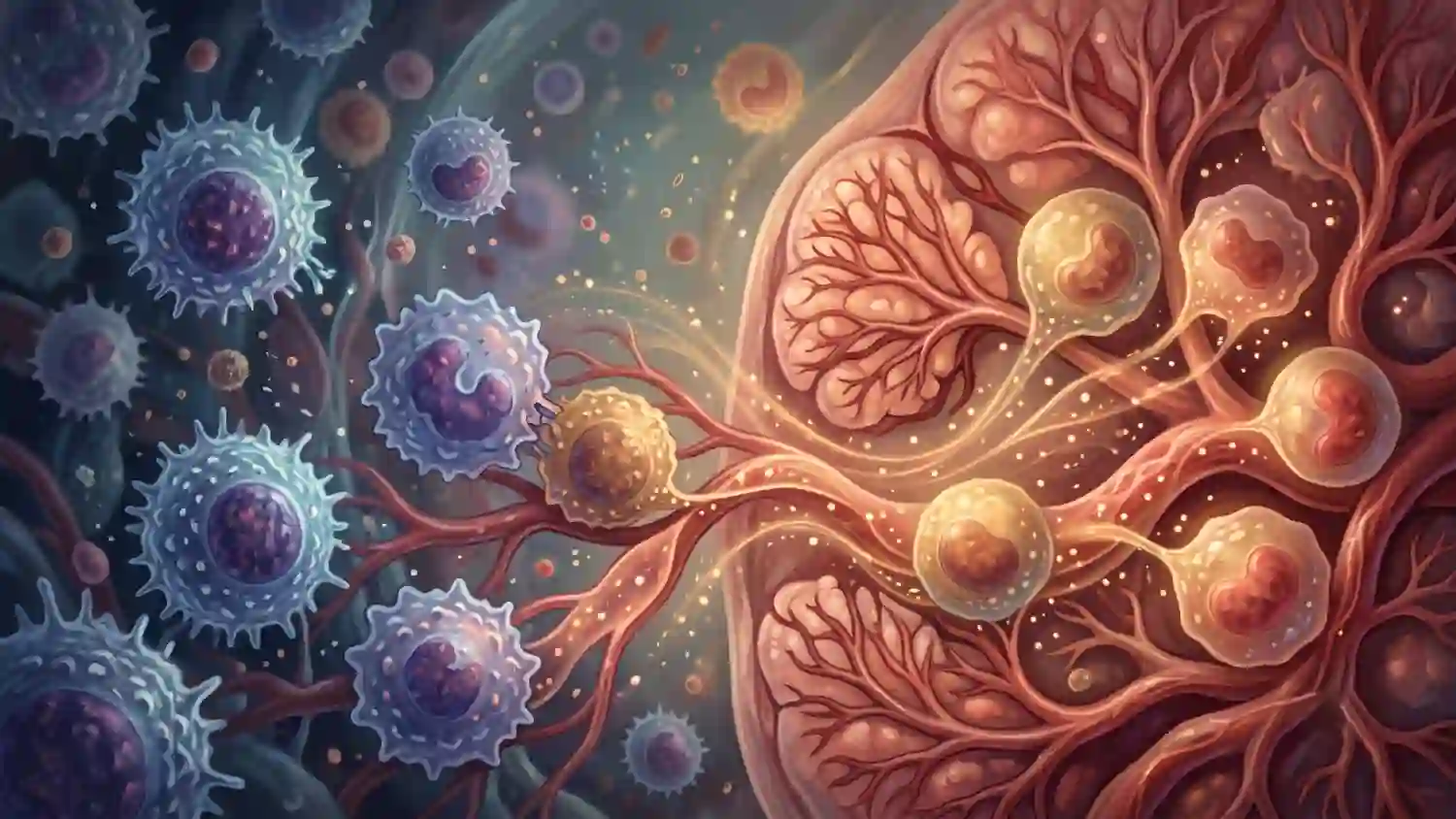
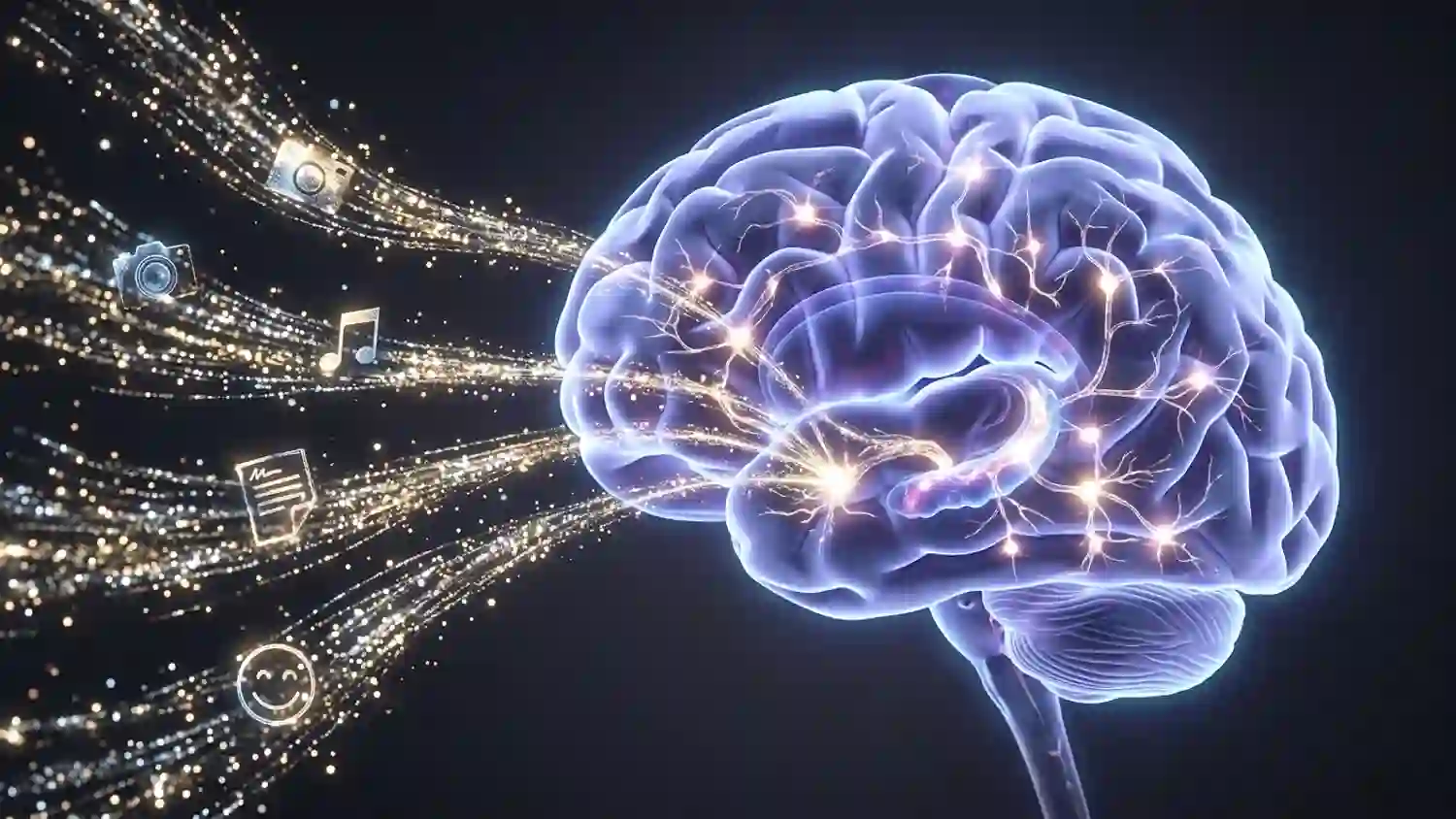
When the world falls silent, your brain begins its busiest shift. While your eyes remain closed, millions of brain cells work like dedicated cleaners after a crowded festival. Sleep is not simply rest, it is nature’s repair workshop. As the proverb says, “Health is wealth.” Missing one night of good sleep may not seem serious, but making it a habit is like slowly draining the battery of your own mind. Deep sleep is the hidden hero that keeps your brain fresh, strong, and ready for another day.
Many people proudly say, “I can survive on four hours of sleep.” Ironically, the brain quietly replies, “I can survive, but I cannot perform my best.” Sleeping less to gain extra working hours is often a penny wise, pound foolish decision. During sleep, the brain is not lazy. It is like a skilled mechanic repairing a vehicle after a long journey. Students, professionals, and elderly people all depend on this invisible repair service. Sleep is not wasted time, it is an investment that pays interest every morning.
Scientists divide sleep into four stages, and each stage has a unique responsibility. Together they form a carefully planned cycle that repeats about every ninety minutes throughout the night. Think of it like four players in a relay race, each passing the baton to the next with perfect timing. If one player fails, the whole race suffers.
The Four Acts of the Nightly Theater
Sleep is not a uniform state of unconsciousness. It is a carefully choreographed production in four distinct acts, repeating every 90 minutes.
[ Wakefulness ]
⬇
│Act I: N1 (The Gateway) -> Lightest sleep, drifting │
⬇
│Act II: N2 (The Shield) -> Sleep spindles, heart slows │
⬇
│Act III: N3 (The Fortress) -> DEEP SLEEP, slow-wave│
⬇
│Act IV: REM (The Dream Theater) -> Vivid imagery│
The first stage, called N1, is the gateway to sleep. It is the short bridge between wakefulness and sleep. Your muscles begin to relax, your thoughts become scattered, and even a small sound can wake you. It feels like standing with one foot on land and the other in a boat. The brain softly whispers, “Come inside, your journey has just begun.”
The second stage, N2, acts like a protective shield. Your heartbeat slows down, your breathing becomes calm, and your body temperature gently falls. During this stage, the brain produces tiny bursts of electrical activity known as sleep spindles. These spindles work like security guards at the gate, blocking unnecessary outside noise so the brain can prepare for deeper healing. They silently say, “Do not disturb, important work is in progress.”
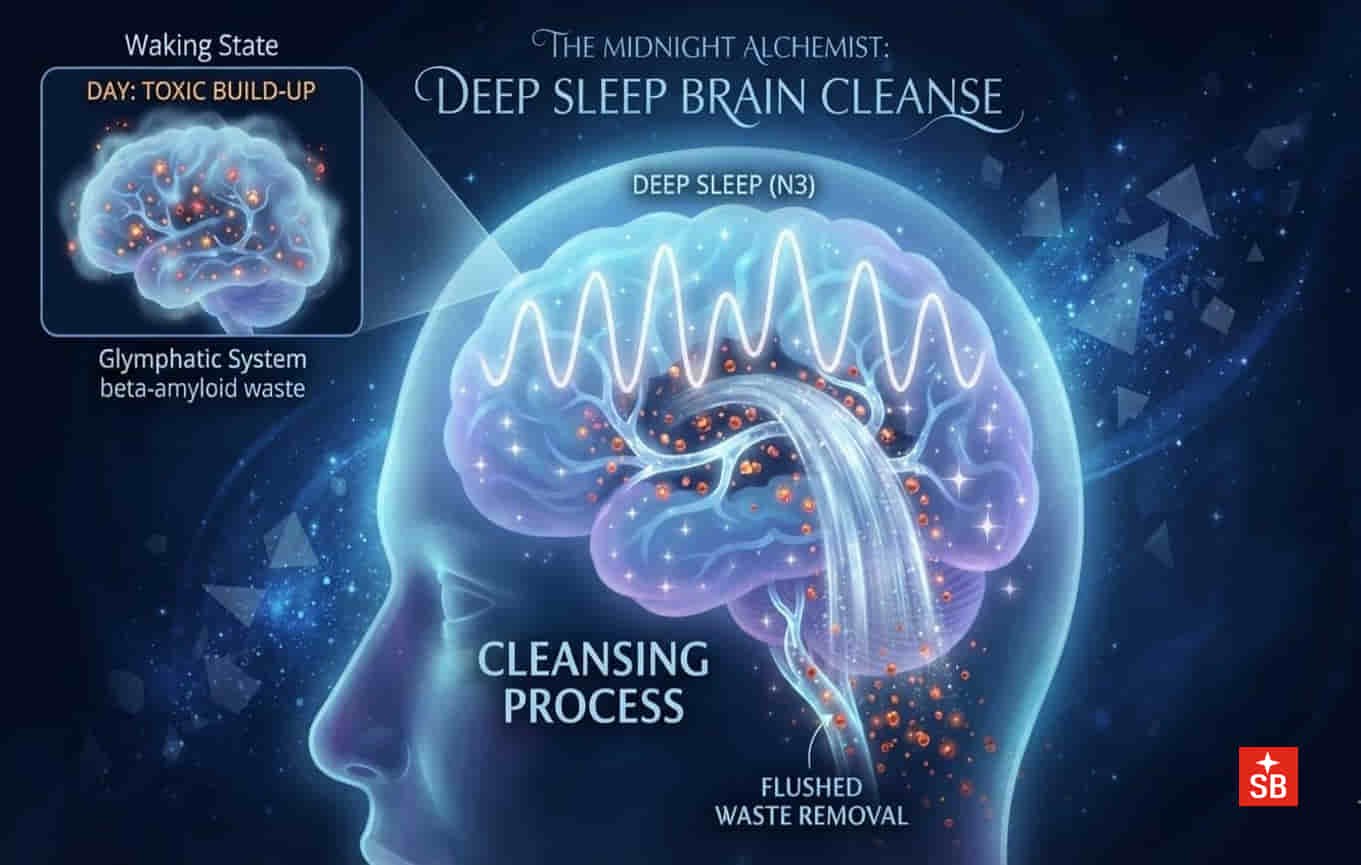
The third stage, N3, is the true treasure of the night. Doctors call it deep sleep or slow wave sleep. This is where the real magic happens. Your brain waves become slow and powerful, your breathing settles into a steady rhythm, and waking you becomes difficult. Deep sleep is like a fortress protecting a valuable kingdom. Inside this fortress, the brain repairs itself, strengthens memories, restores energy, and prepares the body for tomorrow’s challenges. This is why people often wake up refreshed after good deep sleep but feel tired even after many hours of disturbed sleep.
The final stage is REM, or Rapid Eye Movement sleep. This is the colourful theatre of dreams. Although your body lies almost completely still, your brain becomes surprisingly active. Your eyes move quickly beneath closed eyelids, and vivid dreams fill your mind. It is almost as if the brain becomes a movie director while the body quietly waits backstage. Dreams may appear strange, funny, or emotional, but they play an important role in processing experiences and emotions.
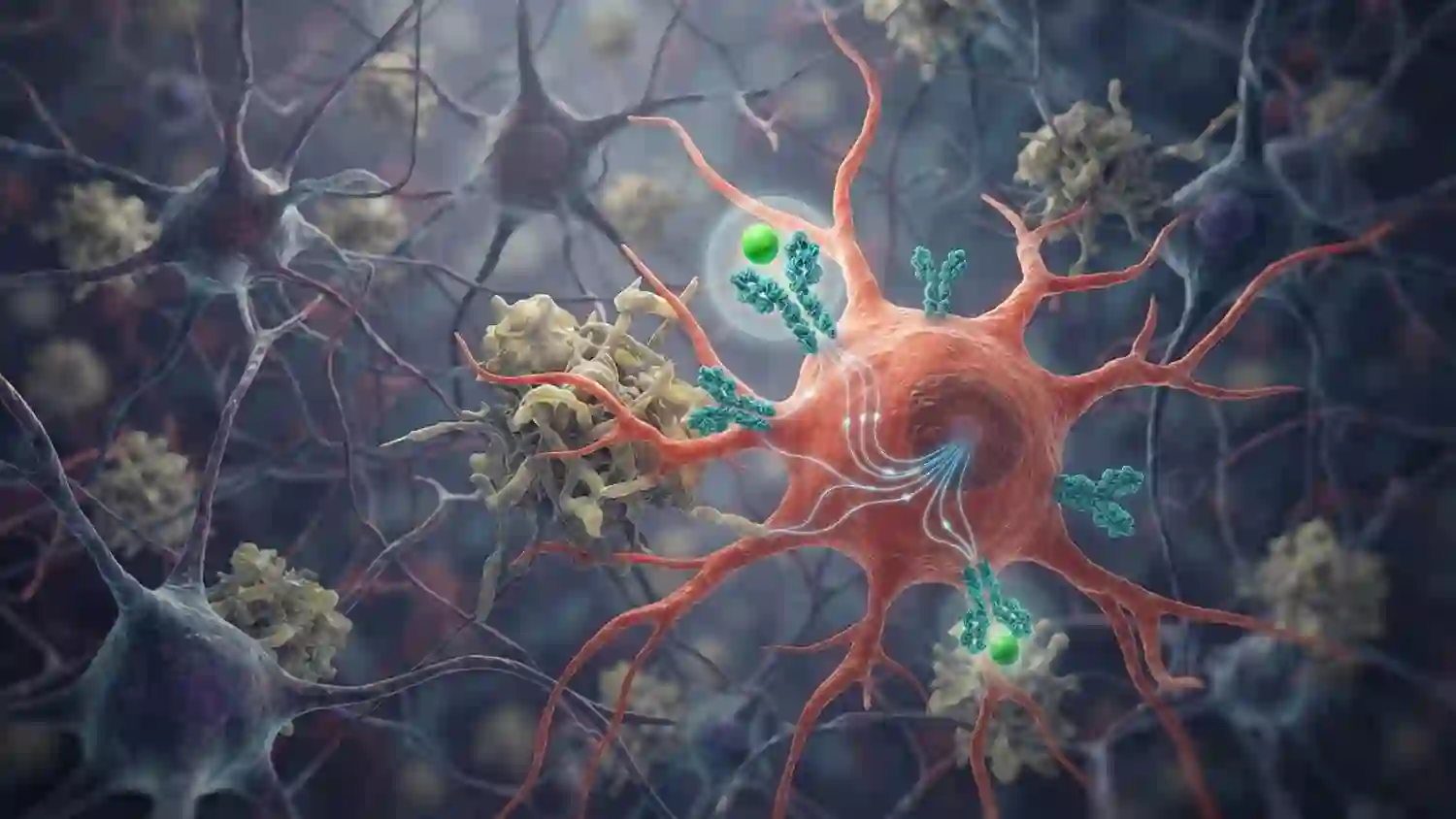
One of the greatest discoveries in neuroscience is the brain’s own cleaning system, known as the glymphatic system. During the day, brain cells constantly use energy and produce waste products. Among them is a sticky protein called beta amyloid, which has been linked to Alzheimer’s disease. During deep sleep, brain cells shrink by nearly sixty percent, creating extra space between them. Cerebrospinal fluid then flows through these spaces like a fast flowing river washing dirt from city streets after heavy rain. This natural cleaning process removes harmful waste and helps protect the brain from long term damage. In simple words, deep sleep is the brain’s midnight janitor, quietly sweeping away yesterday’s mess before tomorrow begins.
Deep sleep also acts as a powerful medicine against stress. Stress fills the body with cortisol, often called the stress hormone. Too much cortisol keeps the brain in constant fight or flight mode. It affects the hippocampus, which helps form memories, and makes the amygdala more sensitive, increasing fear and anxiety. During deep sleep, the body’s calming parasympathetic nervous system takes charge. Cortisol levels fall, the heart relaxes, and emotional balance slowly returns. It is like pouring cool water over a fire that has been burning all day. The brain gently says, “You fought enough today, now let me heal you.”
Skipping deep sleep comes with a heavy price. Toxic waste remains inside the brain, leading to brain fog, poor concentration, forgetfulness, and slower thinking. Emotional control weakens, making people irritable, anxious, and easily upset. The immune system becomes weaker, blood pressure may remain high, and damaged muscles and tissues recover more slowly. One missed night may not destroy your health, but many sleepless nights together slowly chip away at both body and mind. As another proverb reminds us, “Little drops make the mighty ocean.”
Protecting deep sleep is easier than many people think. Keep your bedroom dark, quiet, and comfortably cool. Stay away from mobile phones, laptops, and bright screens for at least one hour before bedtime because blue light delays the brain’s natural sleep signals. Avoid too much caffeine late in the evening and limit alcohol because both can disturb deep sleep even if you fall asleep quickly. Following a regular sleep schedule also trains your biological clock to work efficiently.
Deep sleep is not a luxury reserved for a few fortunate people. It is the silent architect of memory, health, and emotional strength. Every peaceful night builds a stronger tomorrow, one brain cell at a time. A simple quote reminds us, “Protect your sleep today, and your brain will protect your future tomorrow.” Let your midnight alchemist do its priceless work, because while you sleep, your brain quietly saves your life.