“A scar is not a sign of weakness, it is proof that healing chose hope.”
A small cut on your finger may look like a simple accident, but inside your body, it is treated like a city facing an unexpected attack. The moment the skin breaks, millions of tiny workers wake up as if someone has rung a loud emergency bell. Germs see the opening as an invitation, but your body quickly says, “Not today.” Every cell knows its duty, and together they perform a beautiful symphony where every note matters. Like a well-trained cricket team playing under pressure, each player arrives at the right moment. This silent rescue happens every day without asking for applause, proving the old saying, “A stitch in time saves nine.”
The first movement of this biological orchestra is to stop the bleeding. Tiny cell fragments called platelets float through the blood like vigilant security guards. As soon as they touch the damaged tissue, they become sticky and call out, “Everyone, gather here.” More platelets rush in and pile together like sandbags holding back a flood. Soon, a special protein called fibrin spreads over them like a fishing net, trapping blood cells and tying everything into a firm scab. This temporary shield acts like a natural bandage, keeping precious blood inside and harmful microbes outside. In medical language, this process is called haemostasis, the body’s first lifesaving response.
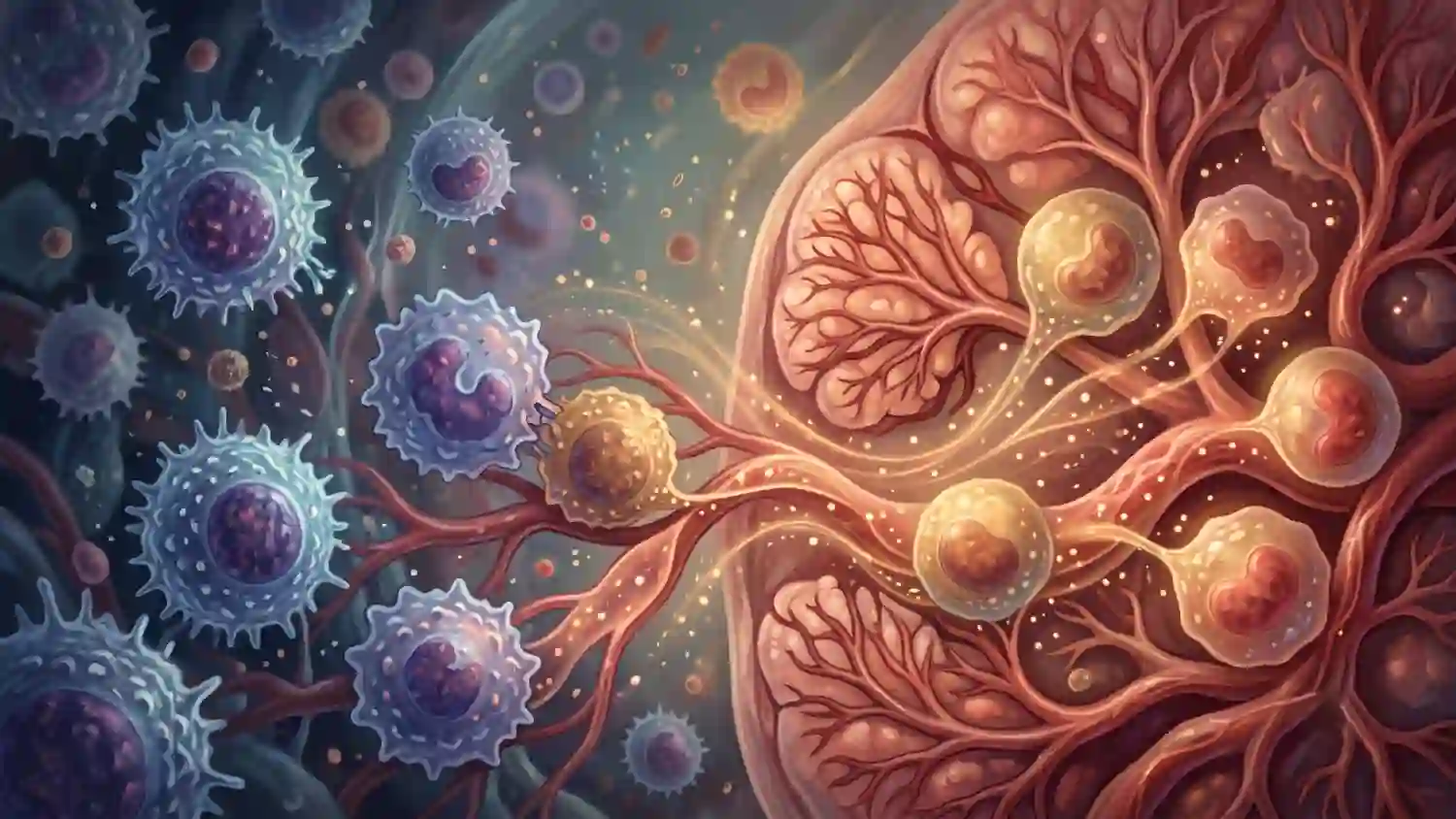
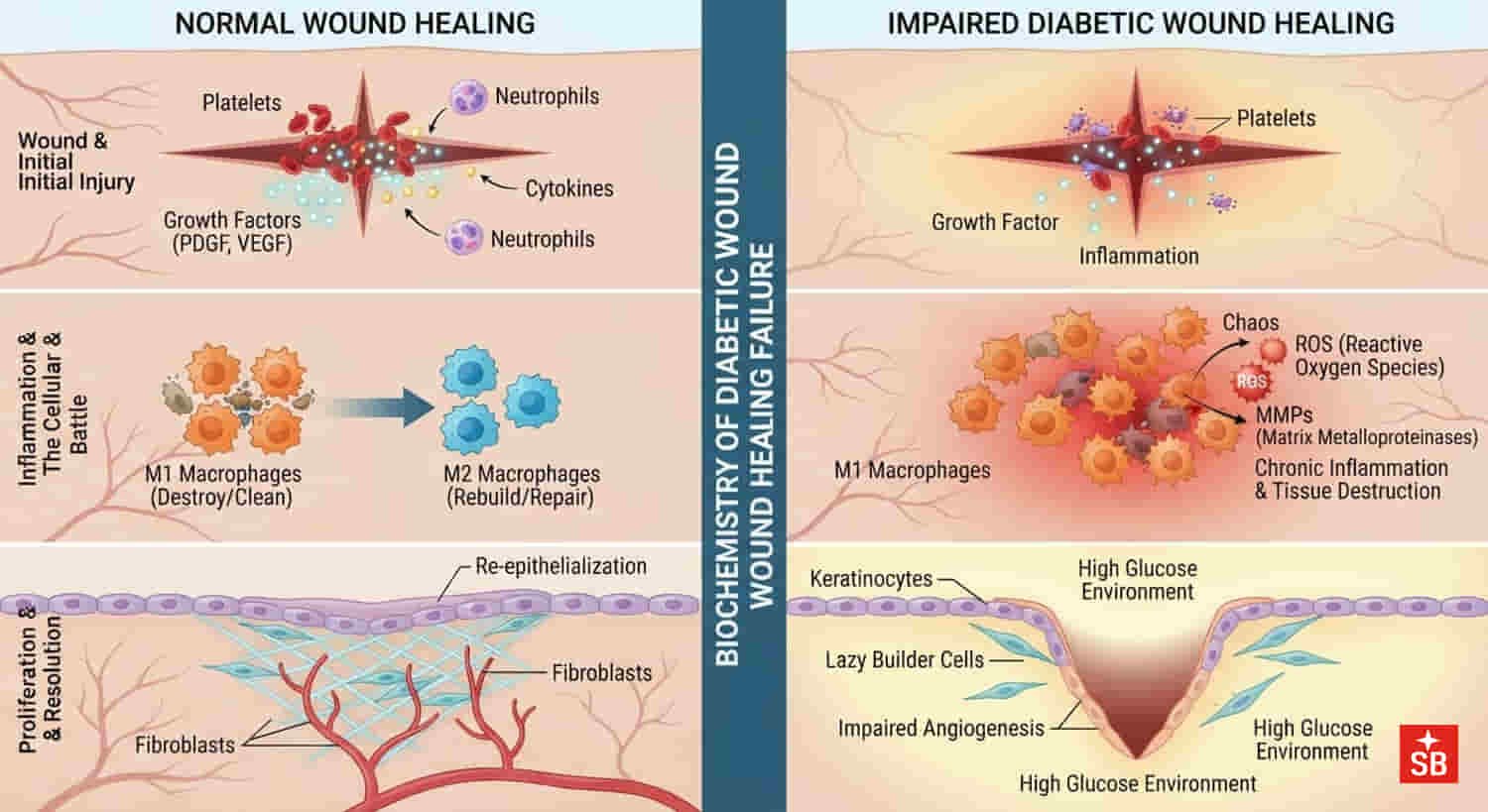
Once the bleeding stops, the battlefield becomes busy with the cleaning crew. The skin turns red, warm, swollen, and painful, but these are not signs that the body has failed. They are signs that help has arrived. Blood vessels open wider like roads cleared for emergency vehicles, allowing white blood cells to enter the injured area. Neutrophils, the first soldiers, attack invading bacteria with powerful chemicals. Soon after, macrophages arrive like experienced commanders carrying tiny cleaning machines. They quietly say, “Leave the mess to us,” while swallowing dead cells, damaged tissue, and harmful germs. This process, called inflammation, may look messy, but sometimes a little storm is needed before clear skies return.
After the battlefield is clean, the body changes from a warrior into a master builder. The commander cells stop shouting, “Fight,” and begin saying, “Build.” Chemical messengers order nearby blood vessels to grow tiny new branches, bringing fresh oxygen and nutrients into the wounded area. These new vessels are like newly built highways carrying supplies to a growing town. Builder cells called fibroblasts arrive carrying collagen, the body’s natural construction material. At first, they build a soft framework, much like bamboo scaffolding around a new house. Meanwhile, skin cells at the edges loosen their grip on each other and crawl across the wound like careful bridge builders until both sides meet and shake hands. Scientists call this remarkable journey epithelialisation.
Although the wound looks closed from the outside, the real engineering work has only just begun. The body now enters the remodeling phase, where patience becomes its greatest strength. Special enzymes behave like skilled sculptors, cutting away weak collagen and replacing it with stronger fibres arranged neatly along the natural lines of the skin. These collagen fibres are tightly linked together like thick ropes supporting a suspension bridge. Extra blood vessels quietly disappear because their work is complete. The busy construction workers pack up and leave without a farewell ceremony. What remains is a scar, pale, flat, and much stronger than it first appears. It stands as nature’s signature, reminding us that even after chaos, order can bloom again.
The story changes dramatically when diabetes enters the picture. High blood sugar behaves like unwanted sand thrown into the smooth gears of a finely built machine. What should have been a quick repair becomes a long struggle. Blood vessels become narrow and stiff, slowing the arrival of oxygen and nutrients. Platelets cannot send strong emergency signals, so the rescue operation begins with confusion. As the proverb says, “Well begun is half done,” but here the beginning itself becomes weak.
The cleaning phase also loses its rhythm. Excess sugar sticks to proteins and forms harmful compounds known as advanced glycation end products, or AGEs. These molecules keep the body’s alarm system switched on for too long. Macrophages become trapped in battle mode and forget to announce, “The fight is over, start rebuilding.” Neutrophils continue releasing chemicals that not only attack germs but also damage healthy tissue. The wound becomes like a construction site where workers keep breaking walls instead of repairing them. This long-lasting inflammation turns a simple cut into a stubborn chronic wound.
The rebuilding phase suffers the greatest setback. Growth factors, the body’s natural instruction letters, become scarce. Without these signals, new blood vessels struggle to grow. Fibroblasts produce less collagen, and keratinocytes move slowly across the wound because they lack enough oxygen and energy. It is like asking builders to complete a house without bricks, cement, or electricity. The wound remains open for weeks or even months, inviting dangerous infections. This is why diabetic foot ulcers are among the most difficult wounds to heal and often require careful medical treatment.
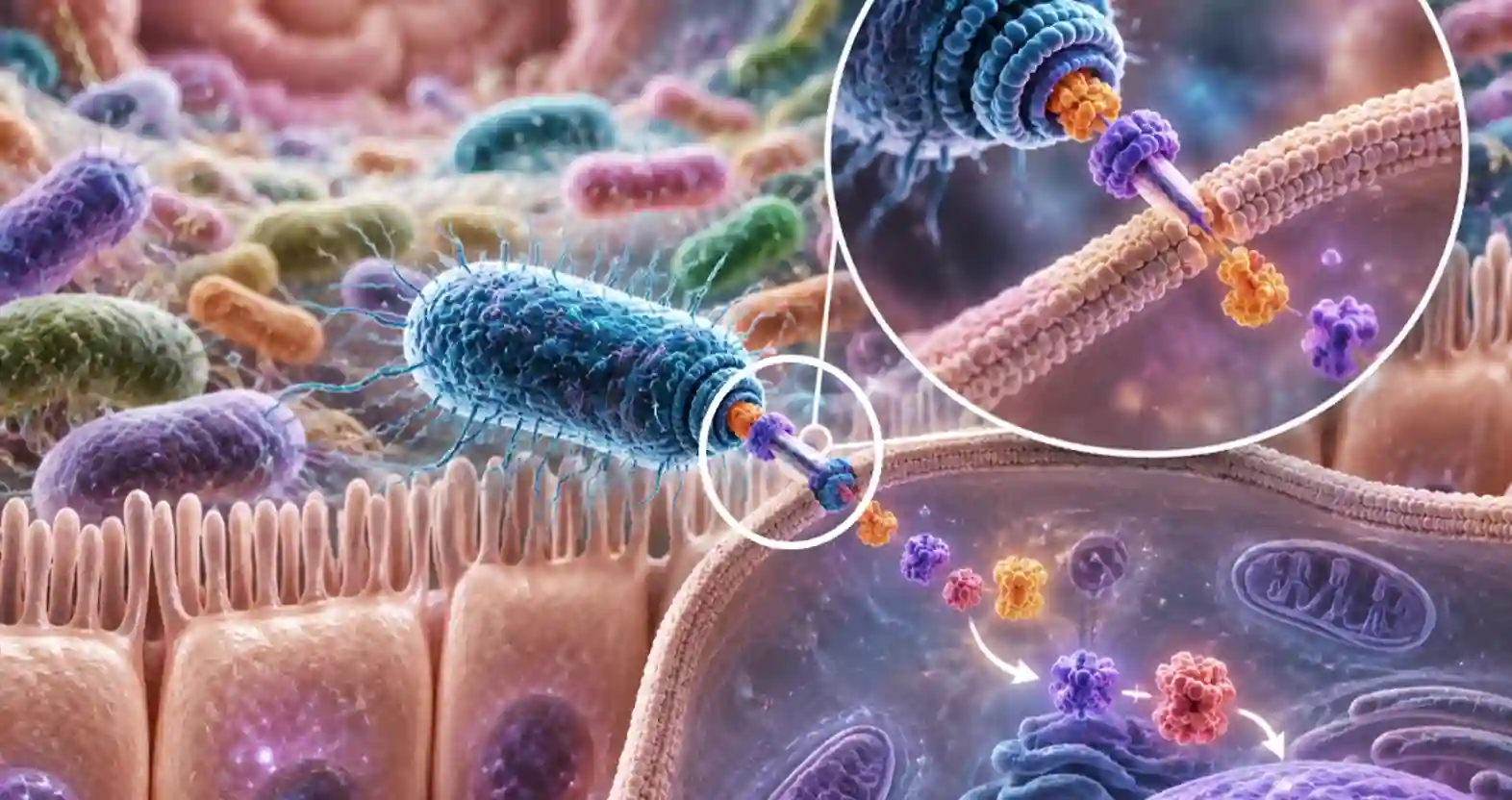
Modern medicine is working hard to help this broken symphony find its rhythm again. Doctors carefully control blood sugar, remove dead tissue, fight infections with antibiotics when needed, improve blood flow, and use advanced dressings that keep wounds moist and protected. Researchers are also developing therapies using growth factors, stem cells, engineered skin, and smart biomaterials that encourage faster healing. Although science has produced remarkable advances, one lesson remains unchanged. The greatest medicine is prevention through good diabetes control, healthy food, regular exercise, proper foot care, and early treatment of even the smallest wound.
Every scar carries a silent story. It reminds us that the human body is not merely a collection of organs but a living orchestra where every cell knows its tune. When every player performs in harmony, even a painful injury becomes a masterpiece of repair. When that harmony is disturbed, healing slows, but with timely care and modern medicine, the music can begin again.