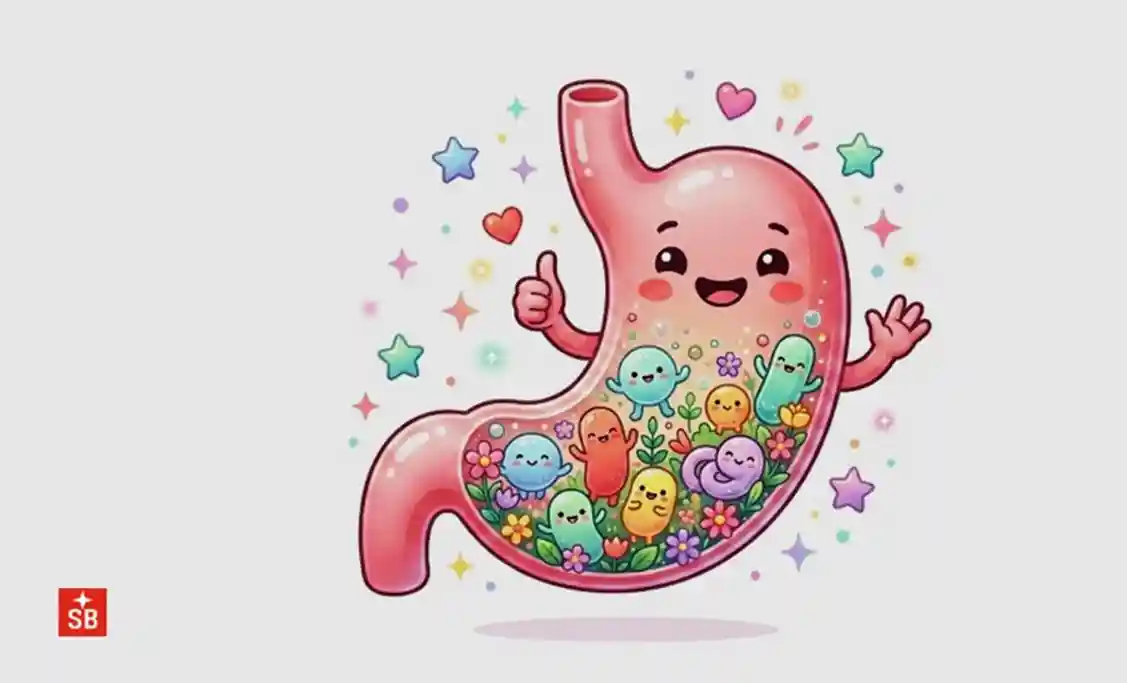
Deep inside your belly, a grand kingdom never sleeps. Every second, trillions of tiny living helpers work day and night to protect you. They are so small that you cannot see them, yet they influence how you feel, how well you digest food, how strong your immunity is, and even how cheerful your mood becomes. Think of them as loyal soldiers guarding a great fortress. When they win the battle, your body feels light, energetic, and healthy. When they lose, tiredness, bloating, stomach discomfort, and frequent illness may begin to knock on your door. As the old proverb says, “Little drops of water make the mighty ocean.” Tiny microbes together create mighty health.
These friendly microbes are called good gut bacteria, or the gut microbiome. Your digestive system is like a busy city filled with hardworking citizens. Helpful bacteria such as Lactobacillus and Bifidobacterium are the honest workers who clean the streets, repair broken walls, and keep peace in the city. Harmful bacteria and yeast are like troublemakers waiting for an opportunity to create confusion. “We protect this kingdom every day,” the good bacteria seem to say. If the good citizens remain stronger than the troublemakers, your gut stays balanced, healthy, and ready to defend your body.
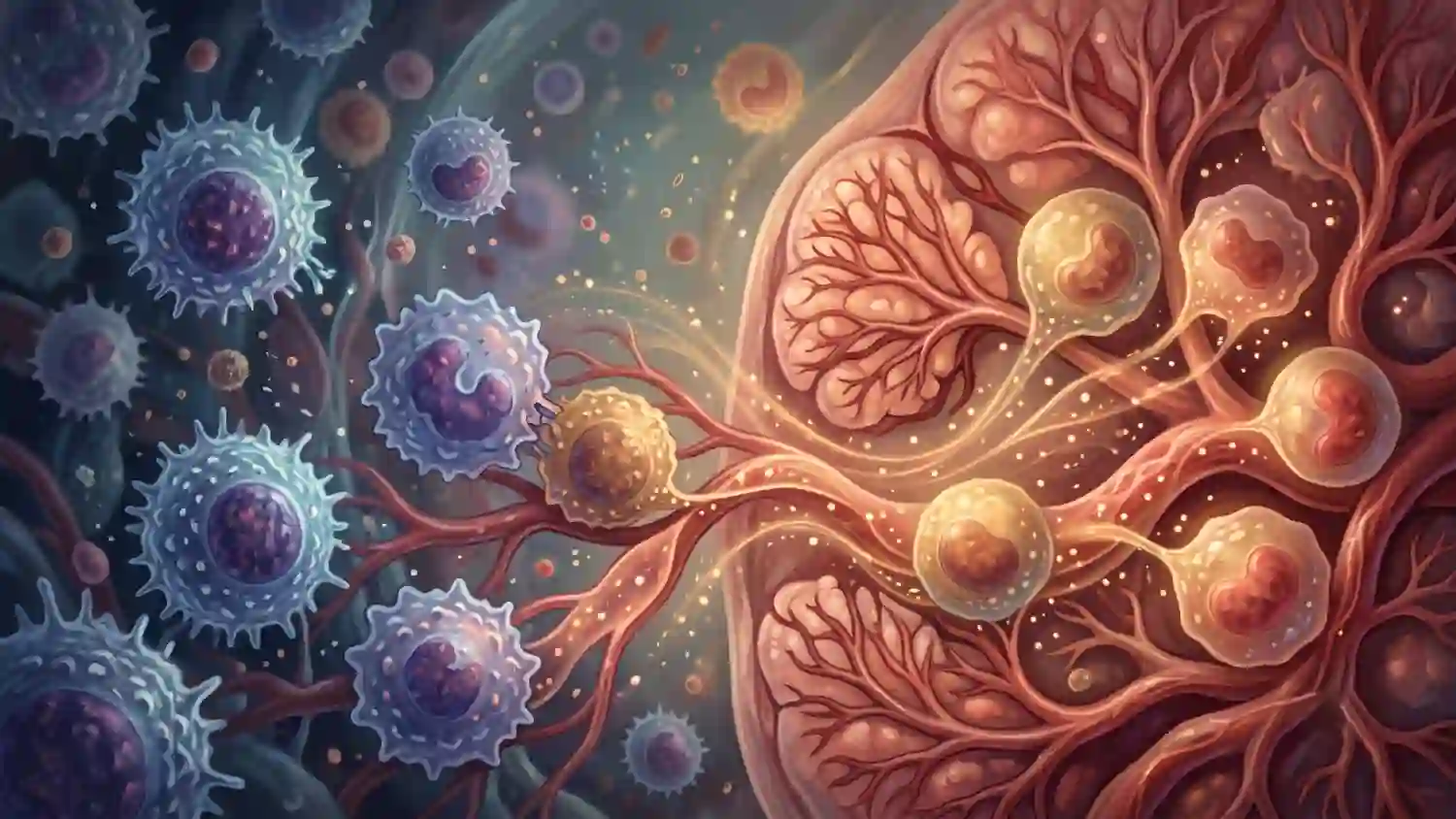
This balance is much more important than many people realise. More than 70 percent of the body’s immune cells are closely linked with the gut associated lymphoid tissue, making the intestine one of the body’s biggest defence headquarters. Beneficial microbes communicate continuously with immune cells, teaching them which germs should be attacked and which harmless substances should be left alone. Scientists call this immune modulation. Like experienced teachers guiding young students, these microbes help the immune system avoid unnecessary mistakes that may lead to allergies or excessive inflammation.
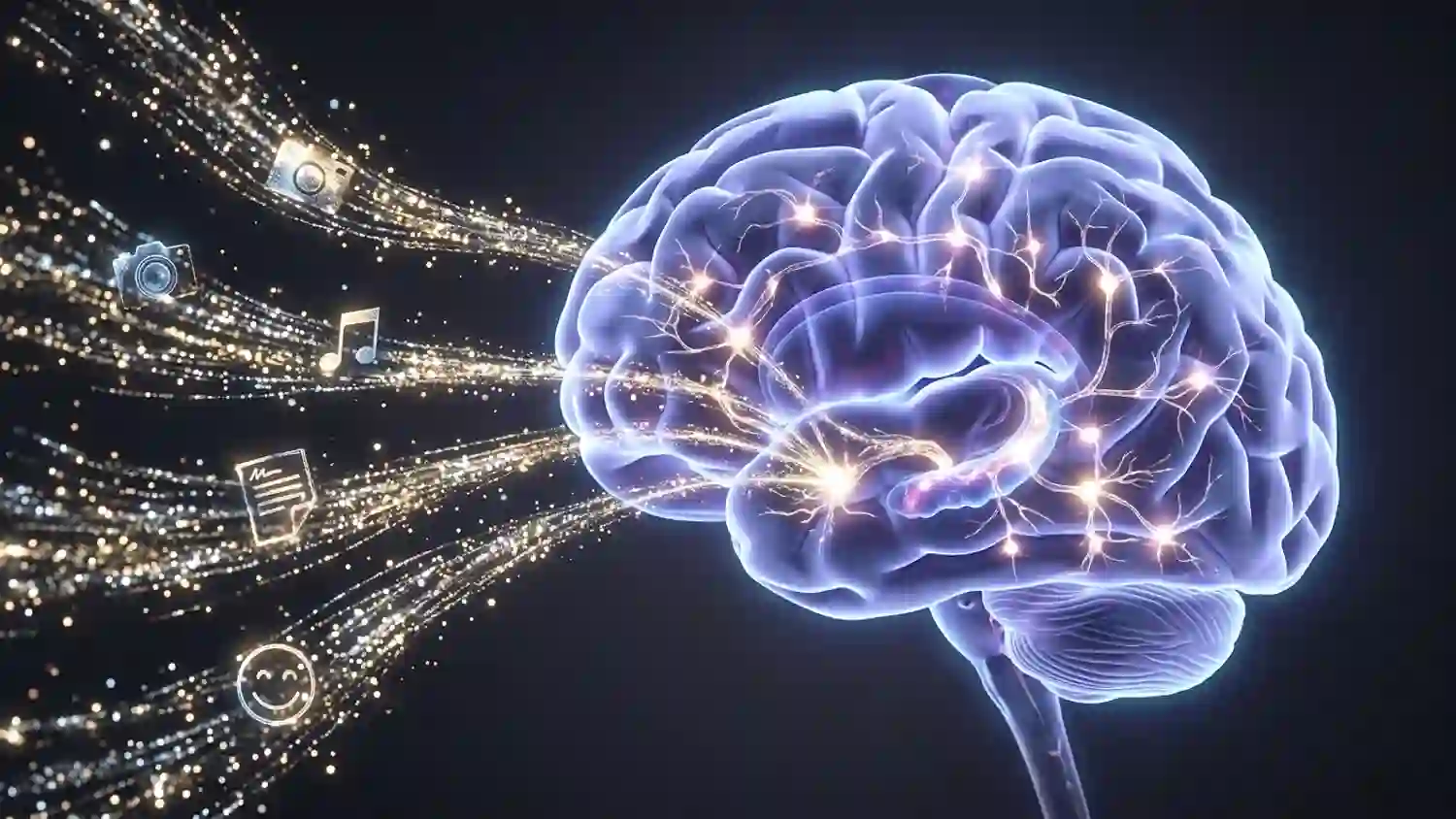
The gut also shares a remarkable friendship with the brain through the vagus nerve, often called the gut brain axis. This communication network works like a high speed expressway carrying messages in both directions. Friendly microbes help produce important substances, including serotonin, which plays a major role in regulating mood, sleep, and emotional well being. Although most serotonin is produced in the gut, its role in mood involves a complex partnership between the digestive system and the brain. A healthy gut often supports a healthier mind. It is no surprise that many scientists now call the gut the body’s “second brain.”
These tiny workers are also expert chefs. Humans cannot digest many plant fibres on their own, but gut bacteria happily accept the challenge. They break down dietary fibre into short chain fatty acids, which nourish the cells lining the intestine, reduce inflammation, and provide energy. They also help produce vitamins such as vitamin K and several B vitamins. It is like giving kitchen waste to skilled cooks who transform it into delicious and nutritious meals. Nature truly believes that nothing useful should go to waste.
Like every army, these tiny guardians need proper food to remain strong. Their favourite meal is dietary fibre, especially prebiotics found in garlic, onions, bananas, oats, barley, chickpeas, lentils, apples, flaxseeds, and chia seeds. These foods act like fuel stations for beneficial microbes. Fermented foods such as plain live yoghurt, traditional fermented pickles, and kefir bring fresh reinforcements into the gut. Polyphenol rich foods like berries, walnuts, and dark chocolate work like protective armour, helping friendly microbes flourish. Diversity also matters. Eating many different fruits, vegetables, whole grains, legumes, nuts, and seeds each week builds a stronger and more varied microbial community, just as a football team performs better when every player has a unique strength.
Unfortunately, harmful microbes enjoy a very different menu. Ultra processed foods loaded with refined sugar and unhealthy fats become a feast for these unwanted guests. When they multiply rapidly, they can disturb the natural balance of the gut. Drinking enough water also plays an important role by supporting the protective mucus lining where many beneficial microbes live safely. Here, irony quietly appears. The colourful packet of chips may promise happiness, but the simple bowl of lentils quietly delivers it.
Every meal is like casting a vote in the election happening inside your body. Will you support the helpful citizens or strengthen the troublemakers? Your plate decides the winner every single day. Healthy eating is not about expensive superfoods or impossible diets. It is about simple, everyday choices made consistently. As another wise proverb reminds us, “A stitch in time saves nine.” One bowl of fibre rich food may seem small today, but over months and years, it helps build a healthier body from the inside out.
The greatest health revolution does not begin in a laboratory or hospital. It begins in your kitchen and inside your gut. Your friendly microbes ask for very little, fresh fruits, colourful vegetables, whole grains, pulses, fermented foods, clean water, and regular care. Feed these invisible guardians well, and they will quietly repay you with stronger immunity, smoother digestion, sharper thinking, and a healthier future. Sometimes the smallest heroes truly protect the greatest kingdom of all, your own body.