For centuries, the dining table looked like a tug of war between meat lovers and vegetarians. One side proudly celebrated juicy steaks, spicy mutton curries, and smoky kebabs, while the other found comfort in lentils, vegetables, and grains. It seemed these two worlds would never meet. Then a quiet kitchen hero entered the scene and changed the rules of the game. Soya based veg meat blurred the line between plants and meat so cleverly that even experienced food lovers were left scratching their heads.
Walk into a kitchen where a rich curry is bubbling away. The aroma dances through the air, the gravy shines like polished mahogany, and soft, juicy chunks soak up every spice. One bite convinces your brain that you are eating meat. But here comes the twist. Those delicious chunks are made entirely from plants. Veg meat is a remarkable achievement of food science.
It is carefully designed to copy the texture, bite, and savoury flavour of meat without using any animal flesh. “Let me fool your taste buds,” the meal maker might proudly whisper. It offers people a way to enjoy familiar flavours while making a different food choice.

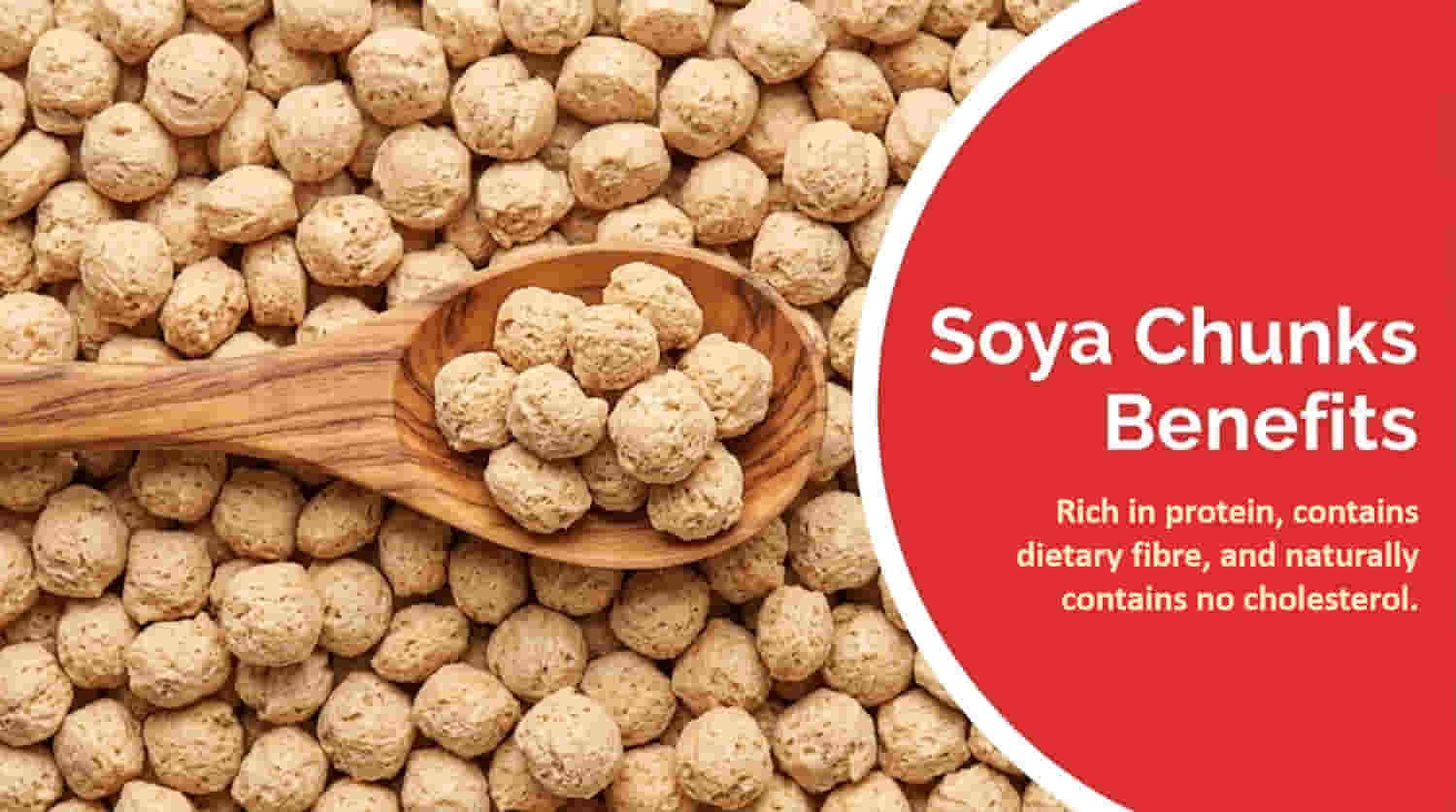
Long before modern food companies began making expensive plant burgers that look and even “bleed” like beef, Indian kitchens already had their own superstar. Soya chunks, also called meal makers, have quietly been feeding families for decades. At first glance, they appear dull and lifeless, like tiny beige stones resting silently on a grocery shelf. But appearances can be wonderfully deceptive. These dry nuggets are sleeping champions waiting for a splash of hot water to reveal their true identity.
The transformation is almost magical. As soon as the dried chunks enter boiling water, they begin drinking eagerly like thirsty travellers reaching an oasis. Within minutes, they swell to nearly two or three times their original size. Their hard surface softens into a springy, fibrous texture that closely resembles chicken or mutton.
After squeezing out the extra water, each chunk becomes a tiny sponge with an extraordinary talent. It eagerly absorbs every drop of masala, every hint of ginger, garlic, pepper, cardamom, and cloves. Like an actor putting on a perfect costume, the humble meal maker becomes whatever dish the cook dreams of creating.
Picture a typical Sunday lunch in an Indian home. The father, a devoted meat lover, declares, “A Sunday without mutton curry is not a real Sunday.” His daughter quietly smiles while preparing a rich curry filled with hydrated soya chunks. The onions turn golden brown, tomatoes melt into a thick gravy, and fragrant spices fill the kitchen. The meal makers soak up every flavour without complaint.
Lunch is served. The father tears off a piece of hot roti, scoops up a chunky piece from the curry, and takes a confident bite. The dining table falls silent. He chews slowly, nods with satisfaction, and finally says, “The mutton is especially tender today.” His family cannot help but smile. The clever meal maker has performed the perfect food magic trick. It has stolen the spotlight without anyone noticing. It is irony at its finest, the “meat” that never came from an animal wins the approval of a lifelong meat lover. Behind this delicious disguise lies an even bigger story. Producing animal meat requires enormous amounts of water, animal feed, grazing land, and energy. In comparison, soya uses far fewer natural resources. It leaves a much smaller environmental footprint while providing high quality protein. Nutrition experts value soya because it is rich in protein, contains dietary fibre, and naturally contains no cholesterol. It also has much lower saturated fat than many red meats. For people trying to protect both their health and the planet, soya becomes a bridge connecting good nutrition with environmental responsibility.
Food scientists call products like meal makers “plant based meat alternatives.” Their goal is not simply to replace meat but to recreate the eating experience by matching texture, moisture retention, and flavour absorption. This explains why soya performs so well in curries, biryanis, pulao, noodles, and stir fries. The secret is not that it tastes exactly like meat on its own. Instead, it acts like a talented musician who perfectly blends into any orchestra, allowing the spices to perform the lead role. Ultimately, the story of soya teaches us that food is far more than flesh or plants. It is a beautiful combination of science, flavour, culture, memory, and emotion. The humble meal maker has quietly broken old food boundaries and shown that satisfying meals do not always require animal meat. As one food scientist wisely said, “The future of food belongs to those who nourish both people and the planet.” Today, soya is no longer just a substitute. It has earned its place as a star on the dinner table, proving that even the quietest ingredient can sometimes steal the entire show.