For thirty-four-year-old Srinu, it started with a single glass of wine after work. It helped him unwind after long, stressful days at the office. At first, it felt harmless, a nightly reward, a moment to breathe. But over time, the reward became a requirement.
Within three years, alcohol had quietly taken control.
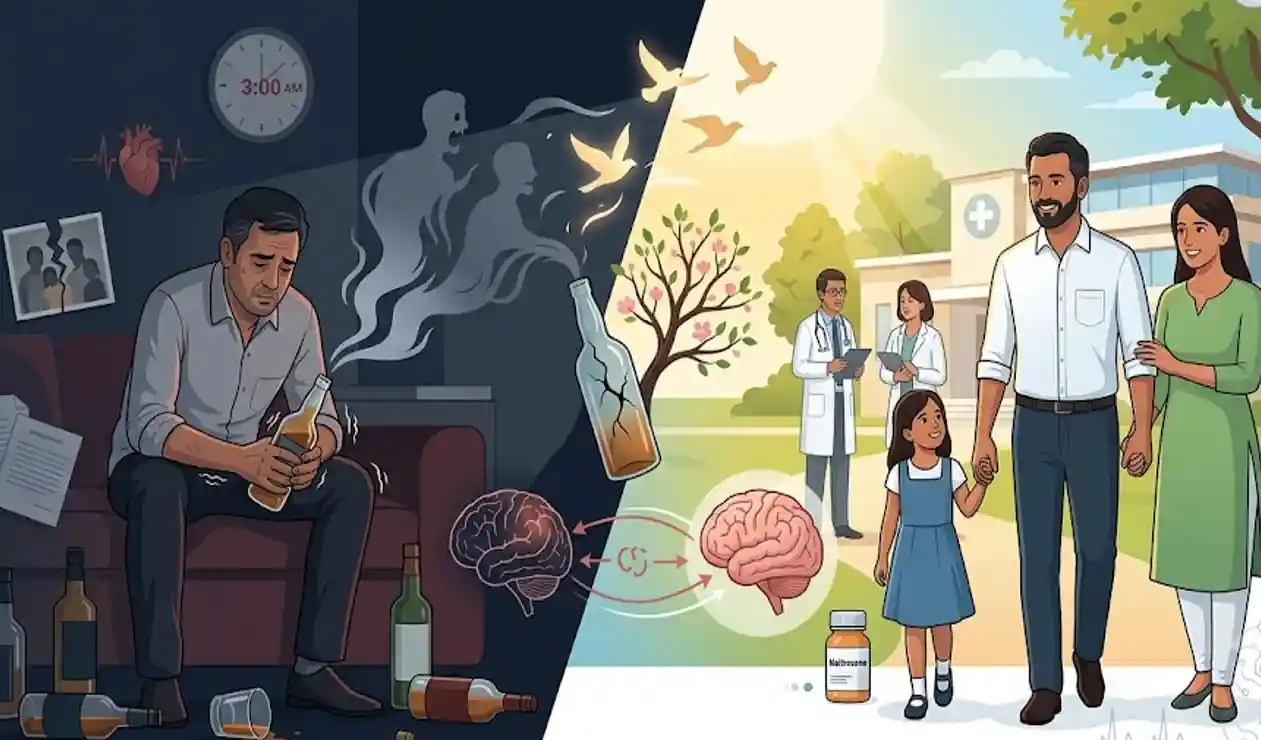
He began waking at three o’clock every morning with his heart pounding like a trapped bird. His sheets were soaked with sweat. His hands trembled so violently that pouring a cup of coffee became nearly impossible. Before leaving for work, he secretly took a quick shot of alcohol from a bottle disguised as drinking water, just enough to steady his hands before the morning meetings.
Outwardly, he looked like any other employee. Inside, he was imprisoned by a disease that dictated every waking moment.
This is the hidden reality of alcohol dependence.
It is not simply a failure of self-control. Long-term alcohol use physically rewires the brain until drinking is no longer about pleasure, it becomes about survival. The brain begins craving alcohol with the same urgency that a dehydrated person craves water. At this stage, willpower alone is rarely enough. Escaping addiction often requires two powerful allies: structured medical treatment and compassionate rehabilitation.
Everything changed for Srinu on a rainy Tuesday morning.
His trembling hands dropped his hidden flask onto the kitchen floor, where it shattered in front of his seven-year-old daughter. The fear in her eyes pierced through years of denial. For the first time, he saw not just what alcohol had done to him, but what it was doing to the people he loved.
That was the day he admitted himself to a residential de-addiction centre.
The first forty-eight hours were the hardest battle of his life.
Without alcohol, his body erupted into chaos. He felt violently sick. His blood pressure soared. Terrifying hallucinations crept across the walls. Every nerve in his body seemed to scream for another drink.
Fortunately, he was not fighting alone.
Doctors and nurses monitored him around the clock, administering medications that safely calmed his overexcited brain and protected him from dangerous withdrawal complications, including potentially life-threatening seizures. What could have become a medical emergency at home became a carefully managed recovery under expert supervision.
Once the physical storm passed, emotional healing began.
Group therapy introduced him to people from every walk of life, a construction worker, a schoolteacher, a college student, a retired businessman. Different faces. Different stories. Yet the same pain.
Listening to others describe feelings he had never dared speak aloud dissolved years of shame. He realized something profoundly liberating: he was not a bad person. He was a person living with a treatable illness.
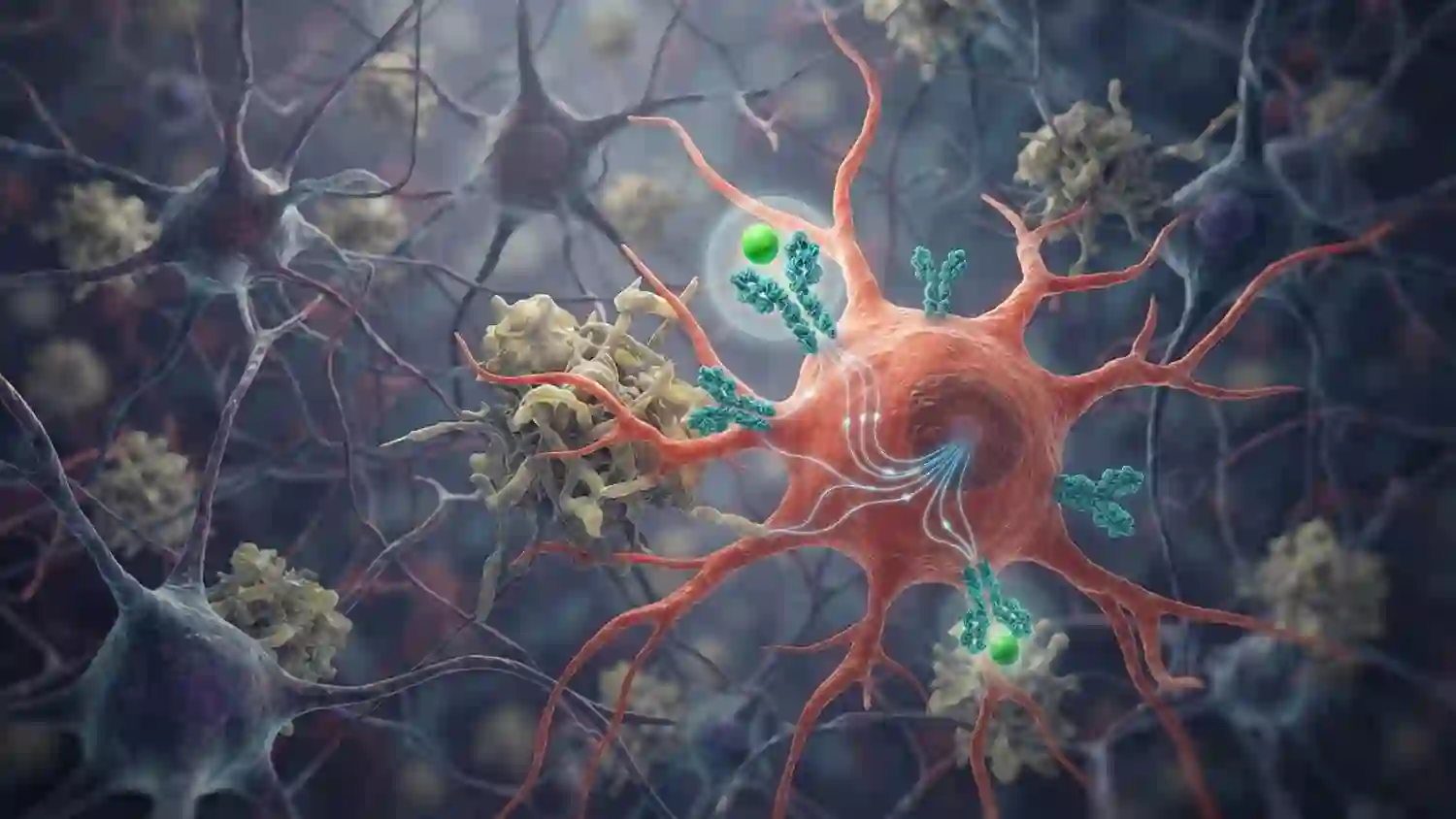
When he completed rehabilitation, his doctors prescribed Naltrexone, a medication that reduces alcohol cravings by blocking the brain’s reward pathways. It did not produce a “high.” Instead, it quietly lowered the volume of the relentless voice urging him to drink.
Walking past a liquor store no longer felt like walking past an irresistible magnet. The overpowering scream inside his mind became a manageable whisper.
Today, two years later, Srinu remains sober. His hands are steady. His mornings begin with coffee instead of alcohol. Most importantly, he can look into his daughter’s eyes without guilt or fear.
His story illustrates an important truth: recovery is possible.
But it is never effortless.
“Addiction rarely begins with a dramatic fall. More often, it is a slow and silent descent—like drifting into deep water without realizing how far the shore has disappeared.”
When Science Becomes a Lifeline
Modern addiction treatment combines medical science with psychological rehabilitation, and together they can be remarkably effective.
For people with severe alcohol dependence, medically supervised detoxification is often lifesaving. Withdrawal can trigger dangerous complications, including seizures, hallucinations, and delirium tremens, that require immediate medical care.
Rehabilitation offers something equally important: distance from the environment that nurtured addiction. Away from familiar triggers, individuals can rebuild healthier routines while learning practical strategies to prevent relapse.
Medication further strengthens recovery. Drugs such as Naltrexone reduce cravings, making it easier for recovering individuals to resist urges during vulnerable moments.
Treatment is especially valuable for people living with both addiction and mental health disorders such as depression or anxiety. When these conditions are treated together, recovery becomes far more sustainable because both the symptoms and their underlying causes are addressed.
Why Treatment Sometimes Fails
Despite its effectiveness, rehabilitation is not magic.
Success depends on more than medicine alone.
Recovery is far less likely when someone enters treatment solely because family members force them to. Without genuine personal commitment, many people return to drinking soon after leaving the rehabilitation centre because their motivation never truly changed.
Isolation also poses a serious threat.
Medication may quiet cravings, but it cannot fill an empty life. Returning to loneliness, unemployment, or a lack of purpose creates emotional voids that addiction eagerly exploits.
Likewise, toxic environments can undo months of progress. Living with heavy drinkers, abusive relationships, or constant stress exposes recovering individuals to powerful triggers that medication alone cannot overcome.
Recovery requires not only a healthier brain but also a healthier environment.
The Invisible Medicine: Willpower
Willpower is often misunderstood.
It is not the dramatic act of refusing a drink at a party.
Real willpower reveals itself in the quiet decisions nobody else sees.
It is getting out of bed to attend a support group when depression says, “Stay home.”
It is calling a counsellor or sponsor when cravings feel unbearable.
It is choosing one more sober day, even when every emotion argues otherwise.
In early recovery, willpower resembles a weak muscle recovering after years of neglect. Every healthy choice strengthens it. Every sober day makes the next one slightly easier.
Over time, the impossible slowly becomes routine.
The Healing Power of Family
Even the strongest determination can falter without support.
Recovery is much like learning to walk again after a devastating injury. Medicine provides treatment, but family often becomes the crutch that keeps a person from falling.
Supportive families help in countless practical ways. They remove alcohol from the home, avoid gatherings centered on drinking, encourage counselling appointments, celebrate milestones, and resist reopening old wounds during disagreements.
More importantly, they replace judgment with compassion.
Addiction already burdens people with overwhelming shame. Constant criticism only deepens that wound. Acceptance, patience, and unconditional love create an environment where healing becomes possible.
Knowing that someone believes in them, even after repeated failures, often gives recovering individuals the strength to keep fighting when they feel ready to surrender.
Recovery Is a Team Effort
Alcohol addiction is neither a moral weakness nor a lack of character. It is a chronic medical condition that changes the brain, the body, and the way people think. Like diabetes or hypertension, it deserves evidence-based treatment, not stigma.
Science provides the tools. Rehabilitation offers structure. Medication restores balance. Willpower fuels daily progress. Family provides the emotional shelter that makes long-term recovery possible.
None of these works perfectly in isolation.
But together, they can accomplish something extraordinary.
They can help someone escape the ghost in the bottle, and reclaim a life once thought lost.