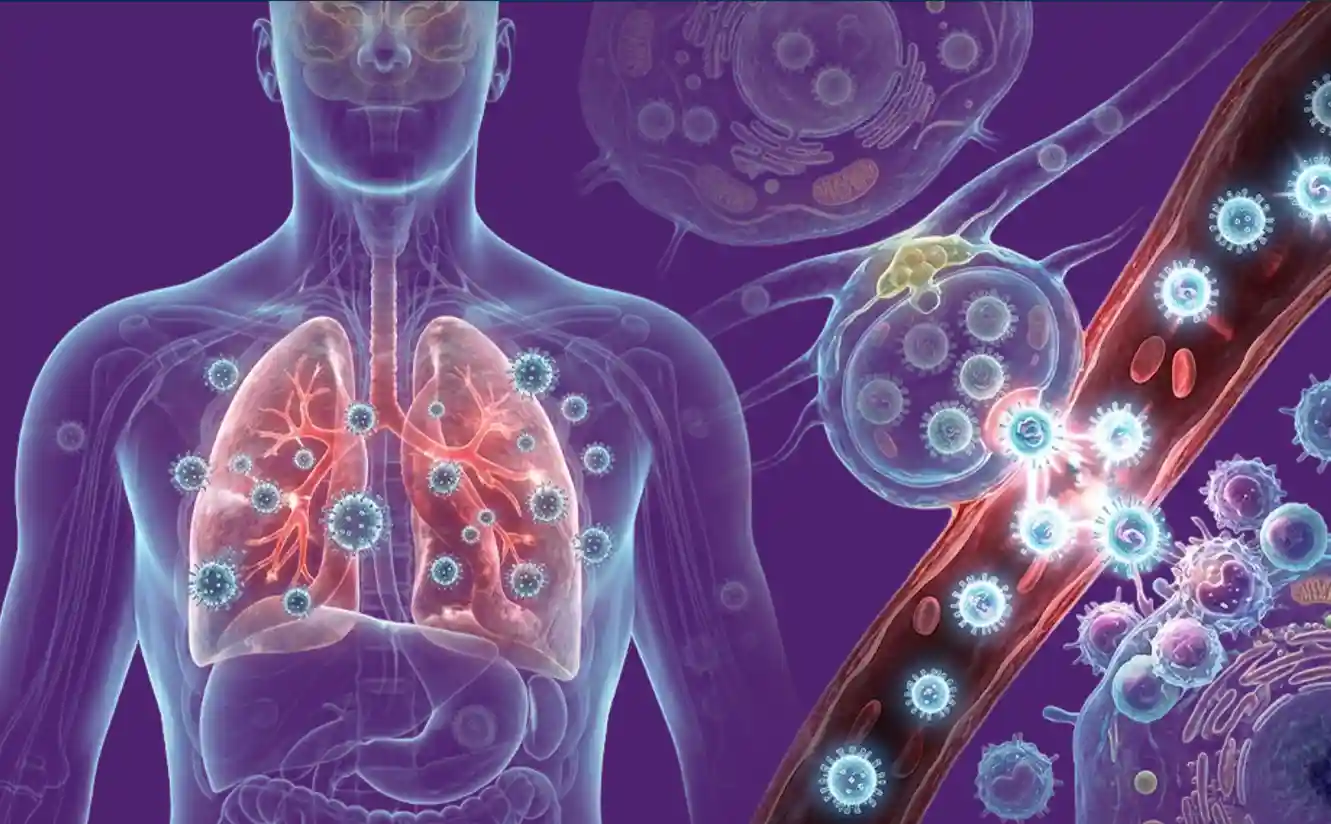
A severe COVID-19 infection may do more than damage the lungs and trigger inflammation. It may also disturb the body’s control over viruses that have remained hidden inside cells for years.
A study involving more than 1,000 people hospitalised with COVID-19 found that nearly half showed signs of reactivation of viruses already present in their bodies. The findings were reported by Kozlov (2026) in Nature in the article “COVID can wake up a slew of dormant viruses inside you,” published in Nature, 656, 281–282. The study was published alongside research examining viral reactivation during COVID-19.
Viruses that remain hidden
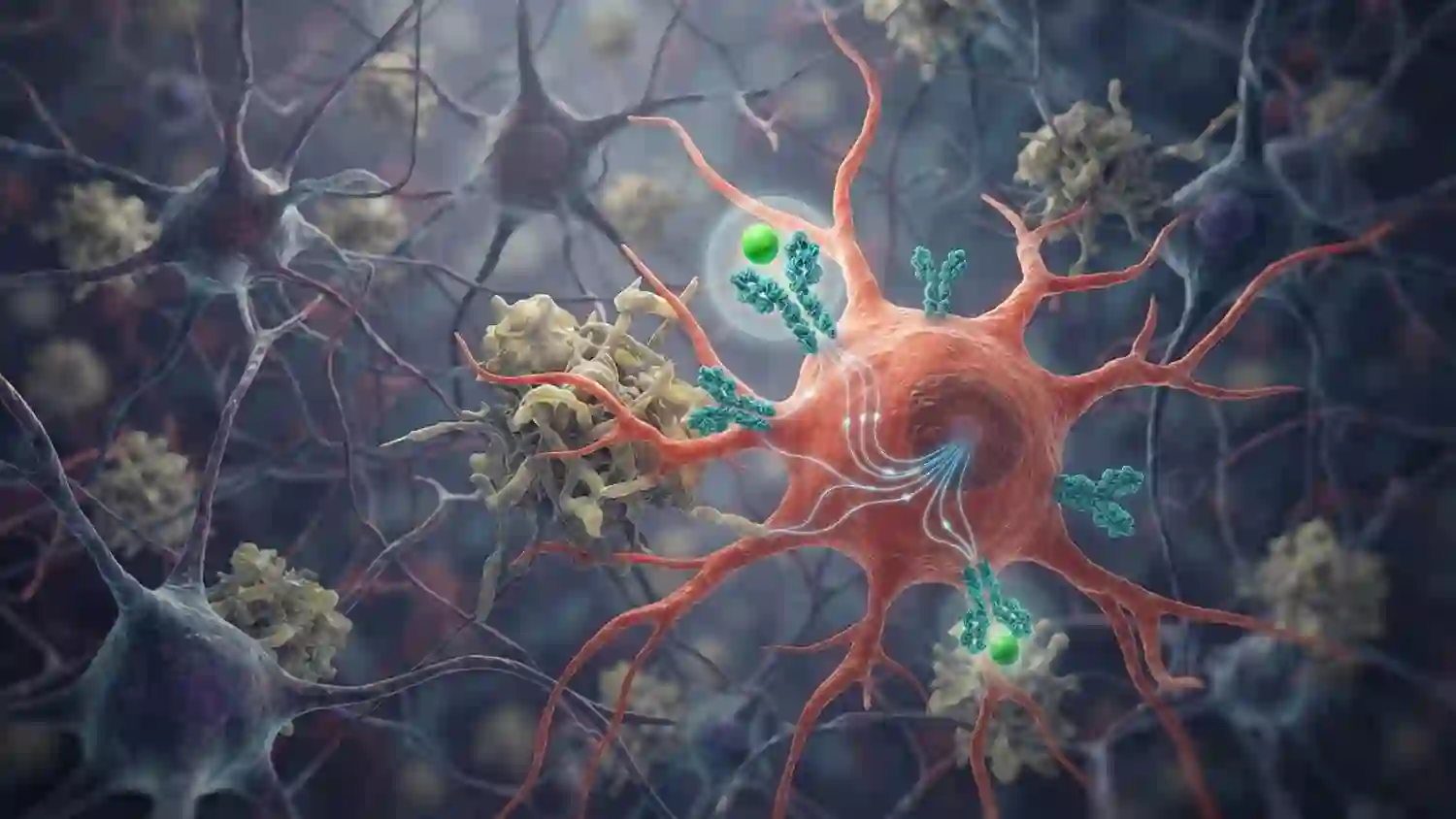
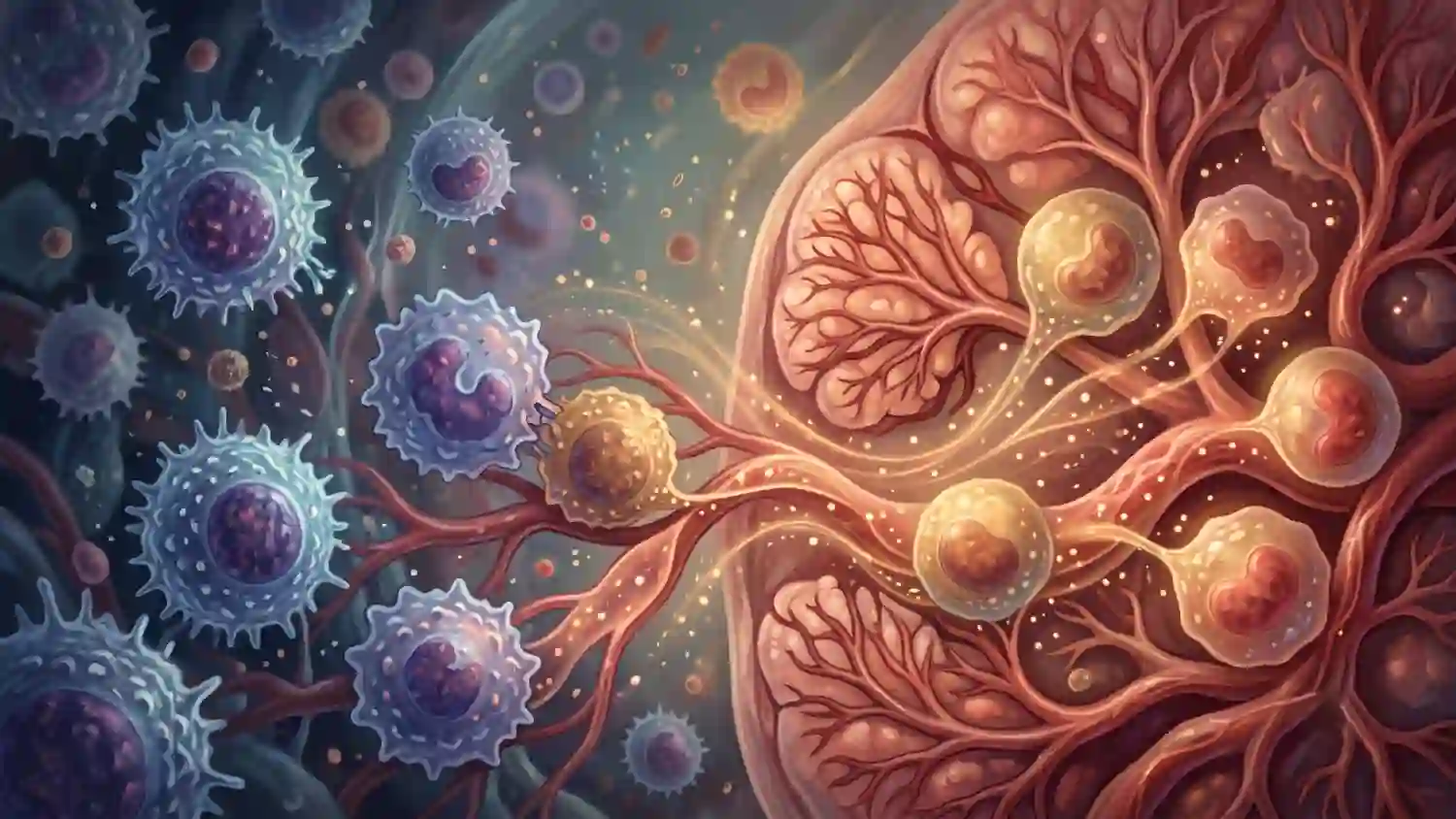
Many people become infected with viruses such as Epstein–Barr virus (EBV), cytomegalovirus (CMV), herpes simplex viruses and anelloviruses during their lifetime. Some of these viruses are not completely eliminated. Instead, they can remain in the body in a dormant or low-activity state and are normally controlled by the immune system.
The researchers investigated whether a severe SARS-CoV-2 infection could disturb this balance. They analysed blood, nasal swabs and lung-fluid samples from people who were hospitalised with COVID-19 during 2020 and early 2021.
The results showed that different viruses became active at different stages of COVID-19. EBV and anelloviruses tended to increase early, while CMV and herpes simplex viruses appeared later, particularly in respiratory samples.
A surprising finding
Viral reactivation was not limited to people with obviously weakened immune systems. Some participants with otherwise healthy immune systems also showed evidence that dormant viruses had become active.
The researchers also examined whether immunosuppressive medicines explained the finding. People receiving these medicines were not clearly more likely to experience viral reactivation than those who were not receiving them. This suggests that the intense biological stress produced by COVID-19 itself may contribute to the process.
One possible explanation is that a severe SARS-CoV-2 infection places the immune system under considerable pressure. When immune surveillance is disrupted, dormant viruses may temporarily gain an opportunity to replicate.
Could this be connected to long COVID?
The study followed participants for a year after their initial infection. The researchers found an association between anellovirus reactivation and the later development of long COVID.
However, an important question remains unanswered: Are these reactivated viruses actually causing some of the symptoms, or are they simply signs that the immune system has been severely disturbed?
The study found that people with viral reactivation showed greater inflammation, increased immune-cell activity and more evidence of cellular damage than comparison patients without detectable viral reactivation.
This does not prove that the reactivated viruses caused these changes. It shows an association that requires further investigation.
A possible new treatment direction
The findings raise an interesting possibility for future treatment. If additional research proves that reactivated viruses contribute directly to long COVID or severe COVID-19, antiviral medicines that target those viruses could potentially become part of treatment strategies.
For example, researchers are investigating whether antiviral drugs directed against herpesviruses could help some people with long COVID.
The idea changes the way scientists might view severe COVID-19. SARS-CoV-2 may not always be acting alone. A major infection could disturb the immune system enough to allow several previously controlled viruses to become active again.
Source: Kozlov M. (2026). COVID can wake up a slew of dormant viruses inside you. Nature, 656(8127), 281–282. https://doi.org/10.1038/d41586-026-02443-2