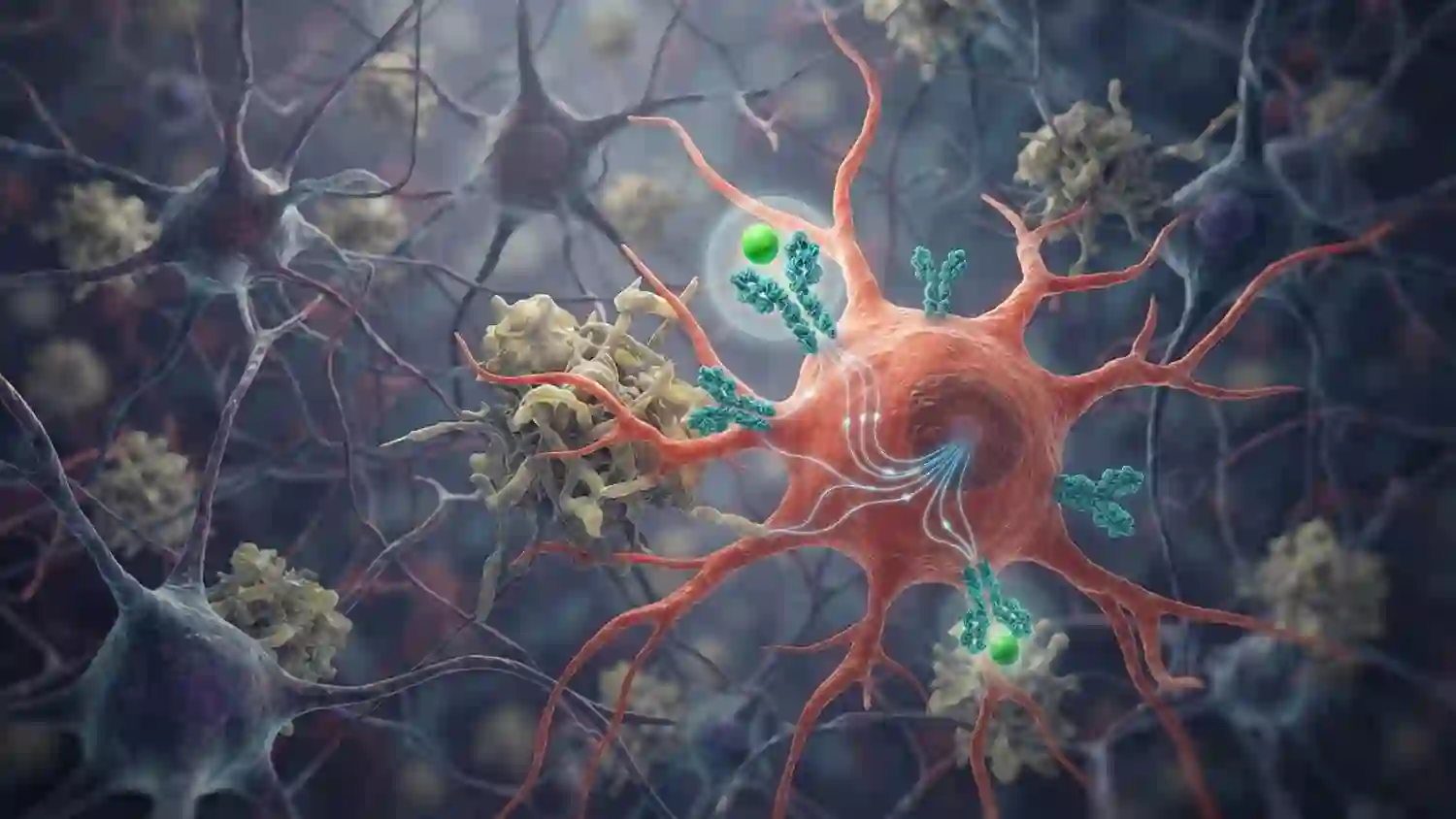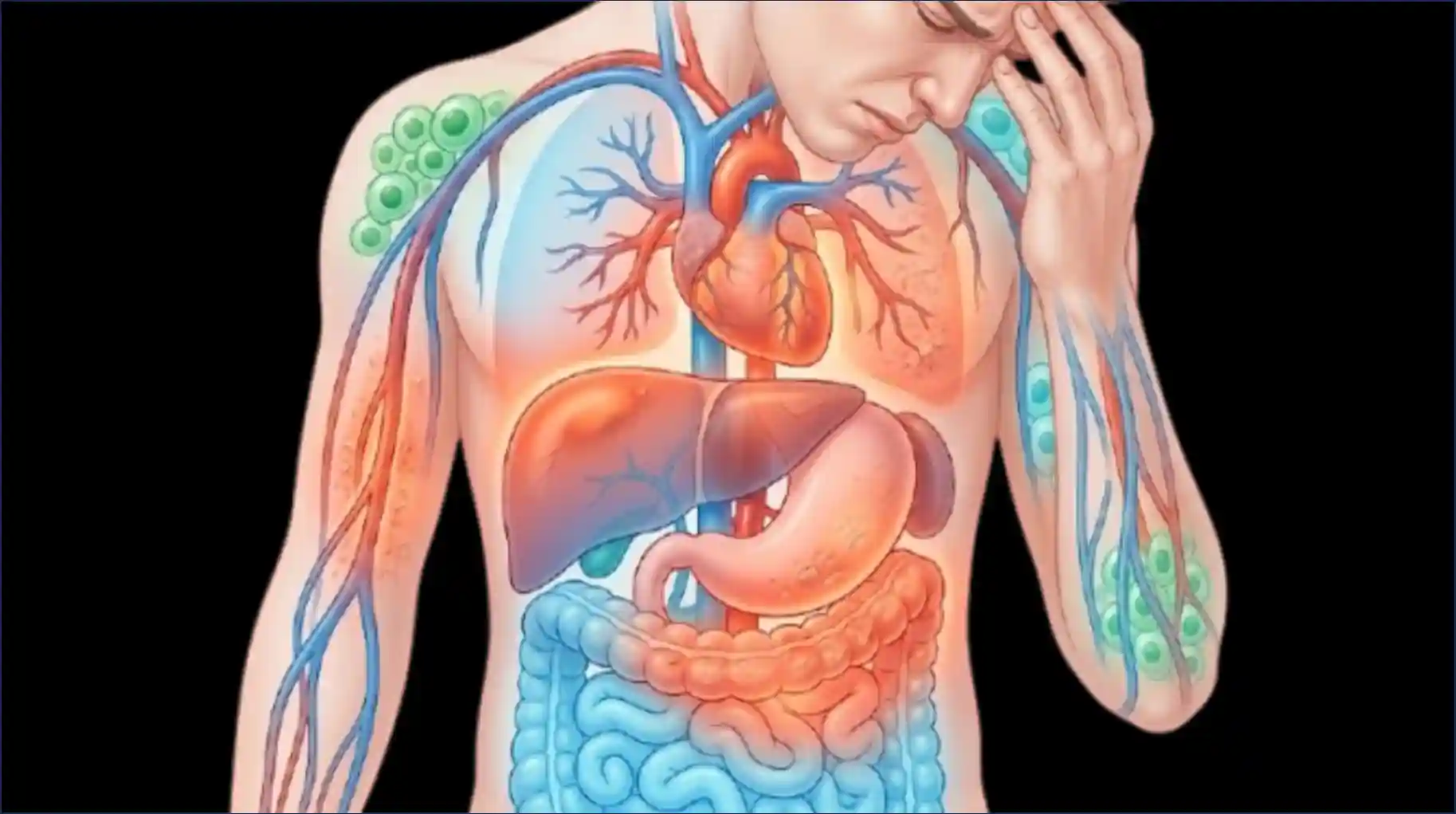
Inflammation is usually something we notice. A cut becomes red and swollen, a sore throat hurts, or an injury becomes painful. These are signs that the immune system is actively responding to damage or infection. But there is another kind of inflammation that can be much harder to detect, low-grade chronic inflammation. It can work like a quiet alarm, ringing softly in the background without attracting much attention.
It doesn’t necessarily cause pain, fever, or obvious symptoms. Instead, inflammatory activity can remain slightly elevated for months or even years, quietly affecting tissues throughout the body. Unlike a sudden fever or swelling, this kind of inflammation may leave no clear warning sign. It is a little like a slow-burning ember that remains hidden rather than a bright flame that everyone can see.
Unlike acute inflammation, which is generally protective and short-lived, chronic inflammation can become harmful when the inflammatory response fails to switch off properly. Scientists can sometimes detect this state through biomarkers such as C-reactive protein (CRP), interleukin-6 (IL-6), and tumour necrosis factor-alpha (TNF-α), although no single blood test can capture the entire picture of chronic inflammation. In biological terms, these markers provide clues, not a complete verdict. The body’s chemistry may whisper when the symptoms have nothing obvious to say.
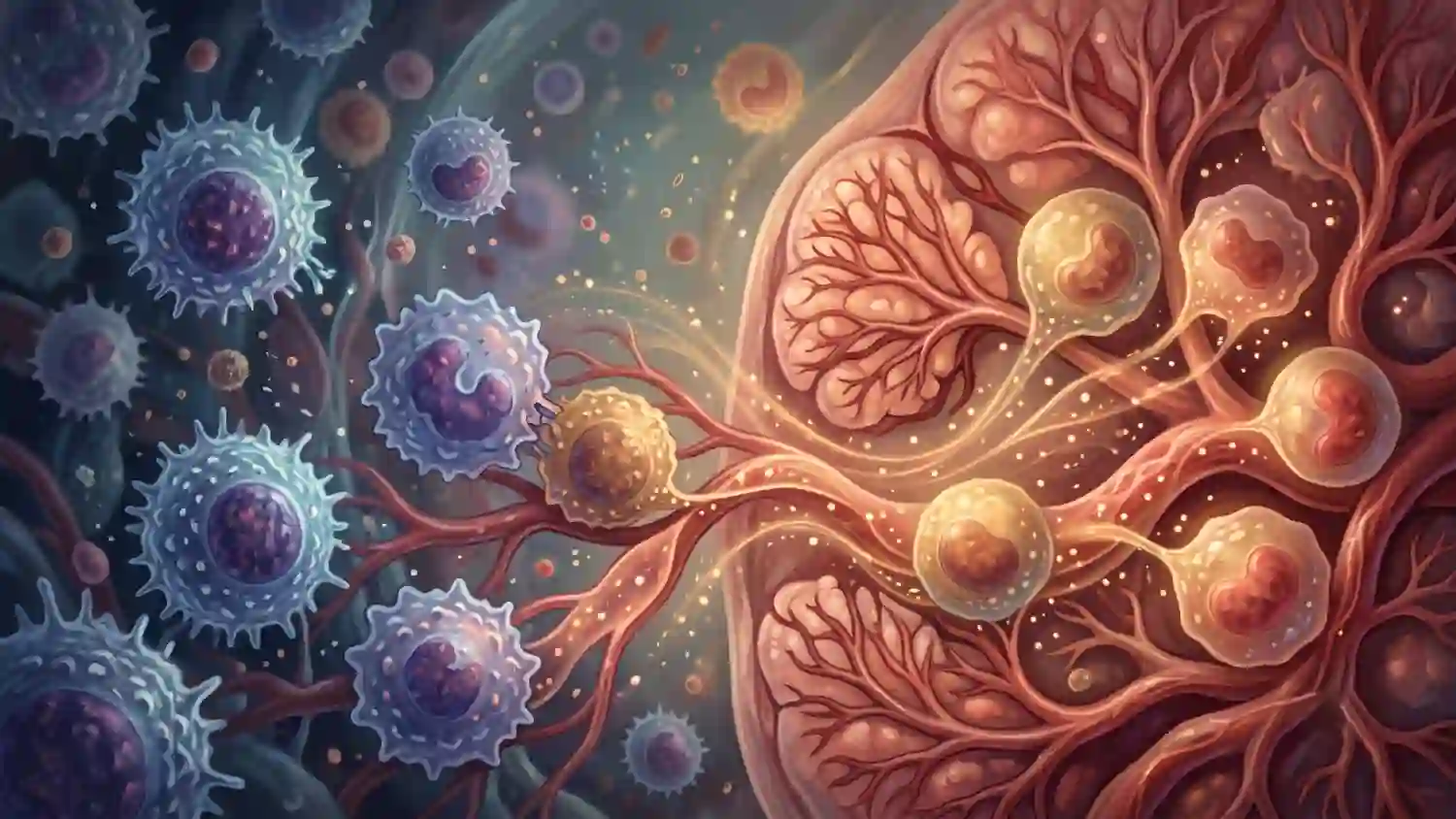
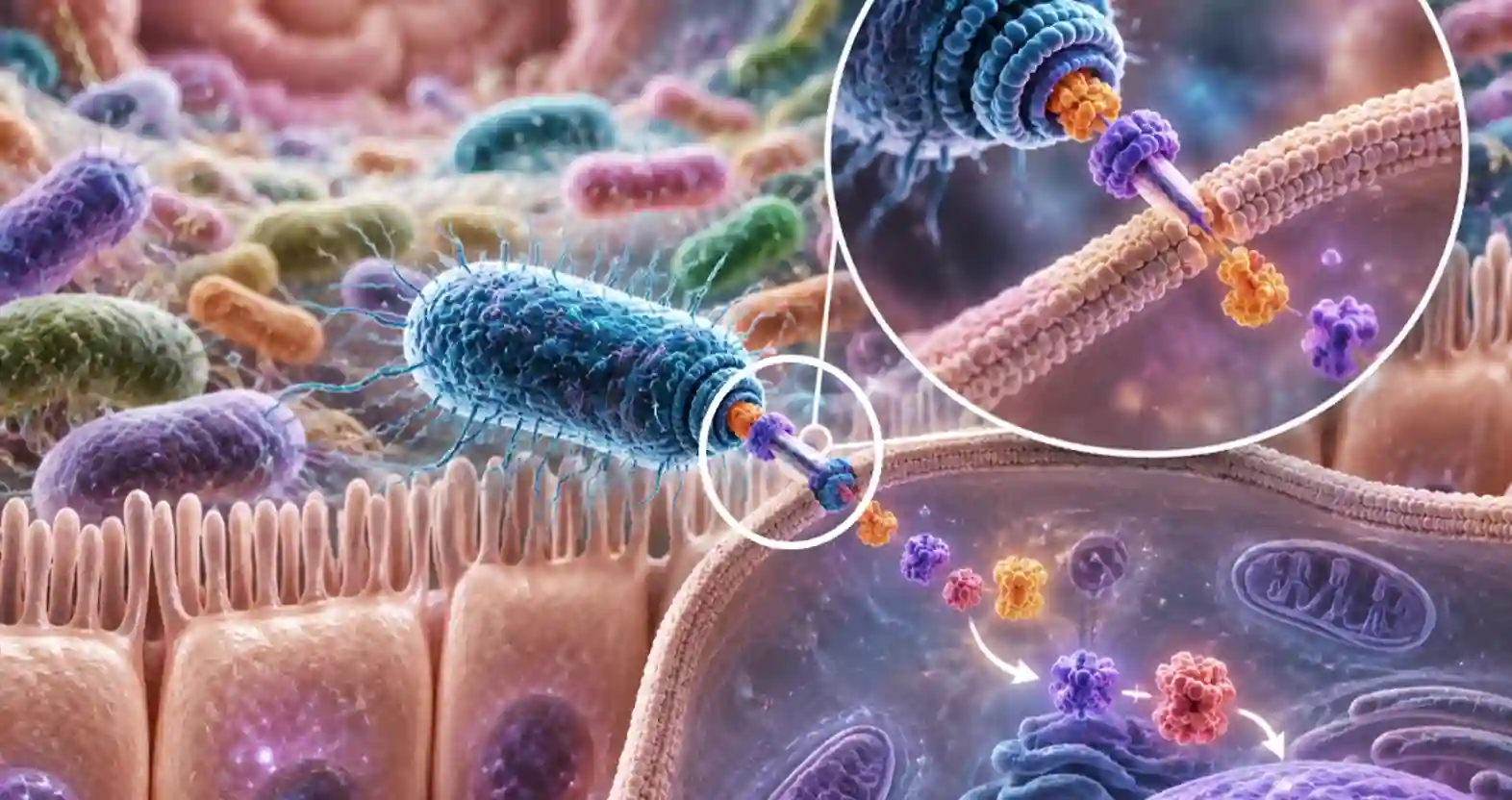
So what keeps this inflammatory response going? There isn’t one single cause. Excess visceral fat, physical inactivity, poor diet, chronic psychological stress, inadequate sleep, smoking, environmental exposures, and certain infections can all contribute. The gut microbiome may also play a role, particularly when changes in the microbial community affect the intestinal barrier and immune signalling. It is a classic case of many small sparks potentially feeding one larger fire. As the saying goes, “many a little makes a mickle”, meaning small contributions can add up to something much bigger.
One particularly interesting concept is “inflammaging”, the gradual development of chronic, low-level inflammation associated with ageing. Researchers believe accumulated cellular damage, dysfunctional mitochondria, senescent cells, changes in immune function, and alterations in the gut microbiome can all contribute to this process. At the cellular level, the body is not simply getting older like an old machine. Its maintenance systems, immune signals, and damaged cells are changing together, creating a complicated biological story.
Why does this matter? Persistent inflammation has been associated with a wide range of conditions, including cardiovascular disease, type 2 diabetes, kidney disease, certain cancers, neurodegenerative disorders, and frailty. Importantly, inflammation isn’t necessarily the sole cause of these diseases, it can be one part of a much larger network of biological processes. In other words, inflammation may be a player in the disease orchestra, but it is rarely the entire orchestra.
The good news is that many factors linked to chronic inflammation are modifiable. Regular physical activity, adequate sleep, avoiding tobacco, maintaining a healthy weight, eating a nutrient-rich diet, and managing chronic stress can support healthier inflammatory regulation. These habits may sound ordinary, but their combined effect can be powerful. Sometimes, prevention is not a dramatic medicine cabinet solution, but a collection of simple choices repeated day after day.
But “silent inflammation” shouldn’t become another reason to buy unproven detoxes or expensive inflammation tests. Having a slightly elevated inflammatory marker doesn’t automatically mean you have a disease, and these markers must be interpreted in the context of your overall health. The word “silent” can be misleading because the absence of symptoms does not automatically mean the presence of hidden disease. In medicine, one number rarely tells the whole story.
The fascinating part is that inflammation isn’t simply good or bad. It is an essential defence mechanism that protects us when we need it. The problem begins when the body’s alarm system stays switched on long after the original threat has disappeared. A useful analogy is a security guard who keeps sounding the alarm even after the intruder has left. The alarm is meant to protect the building, but if it never stops, it can eventually disturb the very people it was meant to protect.
Sometimes, the most important science isn’t about an obvious symptom, it is about understanding what the body is quietly doing before disease becomes visible. The irony is that something so important to our survival can become harmful when it refuses to step back. In the end, inflammation is neither friend nor foe by itself, it is a powerful biological tool whose value depends on when, why, and how long it is activated.