A fever, cough, body ache and exhaustion during the monsoon can easily be dismissed as “just another viral infection.” But this year, influenza is getting more attention for a reason. Delhi has reported a sharp rise in H1N1 cases, with numbers several times higher than the same period last year, and similar increases are now being observed in Bengaluru as well. H1N1, often called swine flu, is actually a subtype of Influenza A that now circulates as part of seasonal flu.
So why does influenza become such a concern during the monsoon, and where does the flu shot fit into the picture?
Influenza spreads mainly through respiratory particles released when an infected person coughs, sneezes, talks or breathes. During periods when respiratory viruses are circulating widely, crowded indoor spaces, close contact and poor ventilation can make transmission easier. In India, influenza can circulate throughout the year, but different regions experience peaks at different times. In northern India, activity commonly increases around and after the monsoon.
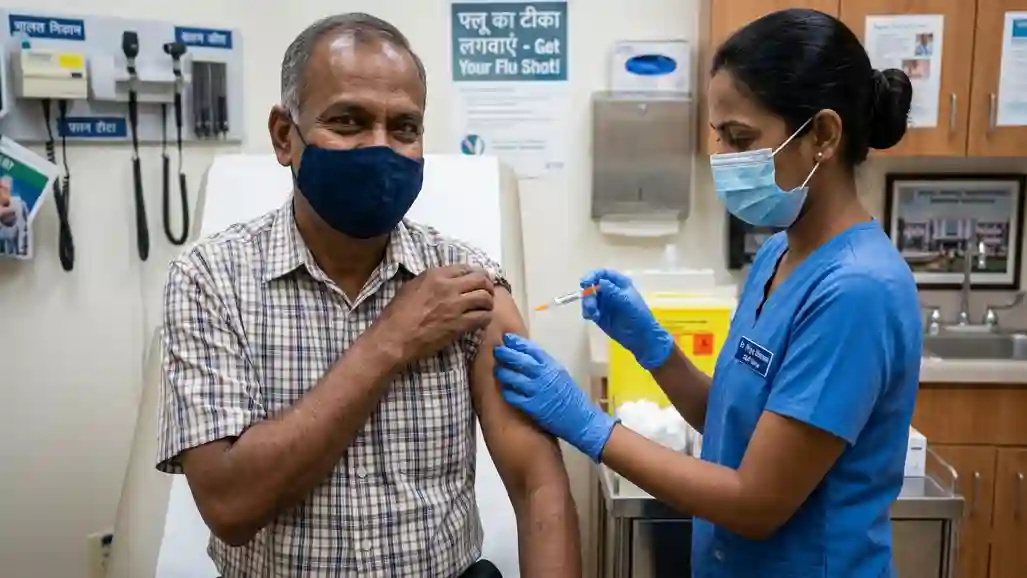
This is where vaccination becomes important. A flu vaccine trains the immune system to recognise specific influenza strains before the real virus arrives. If vaccination matches the viruses circulating in the community, antibodies produced after vaccination can help prevent infection. Even when vaccination does not completely prevent infection, it can reduce the risk of severe illness and complications.
But why is a new flu shot needed every year? Influenza viruses are constantly changing. The virus circulating this season may not be genetically identical to the one that circulated previously, and protection from vaccination also decreases over time. For this reason, vaccine formulations are regularly updated to better match the strains expected to circulate. This matters particularly for people who are more vulnerable to complications, including young children, older adults, pregnant women, people with chronic medical conditions and those with weakened immune systems. Healthcare workers are also an important group because vaccination can reduce their risk of transmitting influenza to vulnerable patients.
A flu shot isn’t a guarantee that influenza will never happen. It is more like preparing the immune system before the virus arrives, giving the body a head start rather than asking it to recognise a completely unfamiliar enemy during an infection. With influenza circulating alongside other respiratory viruses this monsoon, vaccination is only one part of prevention. Good ventilation, hand hygiene, respiratory etiquette, avoiding close contact when sick and staying home while unwell all help reduce transmission.
Sources: World Health Organization. (2026, March 4). How can I avoid getting the flu?