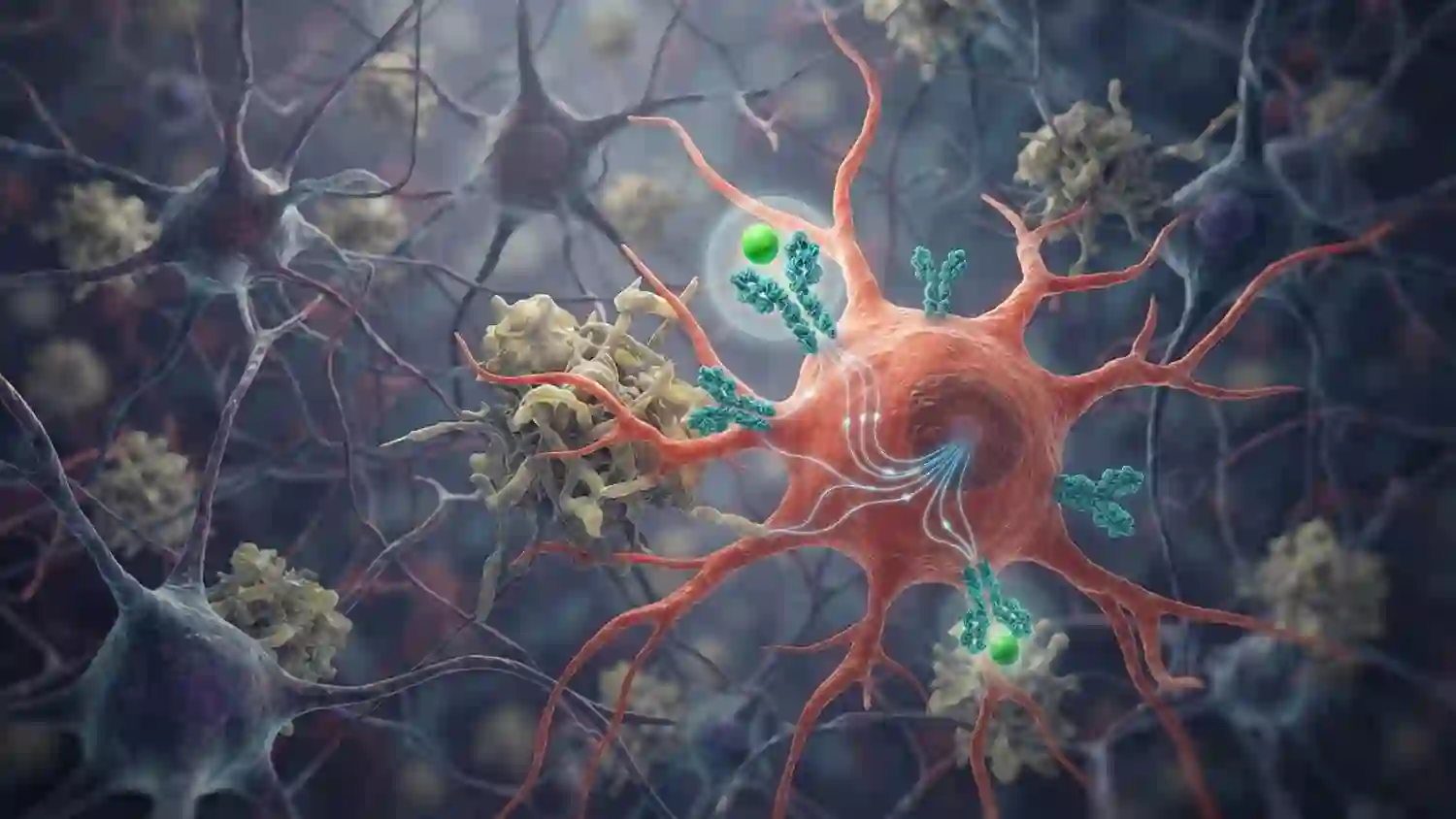
Aging is associated with a higher prevalence of autoantibodies and autoimmune conditions. As people age, immune tolerance may become less effective because of changes in T-cell and B-cell function, thymic involution, and reduced regulatory T-cell activity. These changes can contribute to the production of autoantibodies such as antinuclear antibodies (ANA), anticardiolipin antibodies, and anti-thyroid antibodies.
However, the presence of auto antibodies in older adults does not necessarily mean that a person has an autoimmune disease. In some cases, these antibodies may result from age-related tissue damage and increased exposure to apoptotic cell debris rather than from a specific disease-causing autoimmune response.
Importantly, age 50 is not a universal biological threshold at which autoimmunity begins. Some autoimmune diseases commonly develop earlier in life, others can occur at any age, and certain conditions are more strongly associated with later adulthood. After 50, however, several factors may interact to increase the likelihood that an autoimmune process becomes clinically apparent. These include immune aging, chronic low-grade inflammation, hormonal changes, accumulated environmental exposures, infections, medication effects, and reduced organ reserve. Together, these factors may contribute to the emergence or recognition of previously subtle autoimmune symptoms. Age-related changes in the immune system, known as immunosenescence, increase vulnerability to late-onset autoimmune disorders. Conditions like polymyalgia rheumatica, giant cell arteritis, and Sjögren disease frequently first appear or get noticed after age 50.

Laboratory testing can help evaluate possible autoimmune disease by identifying inflammation, autoantibodies, changes in blood counts, thyroid dysfunction, muscle injury, and potential kidney or liver involvement. Nevertheless, there is no single blood test that can diagnose all autoimmune conditions. The most effective approach is targeted testing based on symptoms, physical examination, medical history, and, when necessary, follow-up testing over time.
In the context of aging-associated accumulation of neoantigens, this incessant immune competence sets the stage for unopposed autoimmunity.
While age-related autoimmune disorders cannot be completely prevented, you can lower risk and reduce chronic inflammation (“inflammaging”) by adopting healthy lifestyle habits. Key steps include eating an anti-inflammatory diet, staying active, managing stress, and getting routine health checkups and vaccinations.
A new study reveals that aging itself rewires the immune system in very specific ways resulting in weaker antibody responses, even to well-matched vaccines.