Imagine opening a packet of cookies and finding out that one of the ingredients started its life as a plastic bottle. Would you still take a bite?
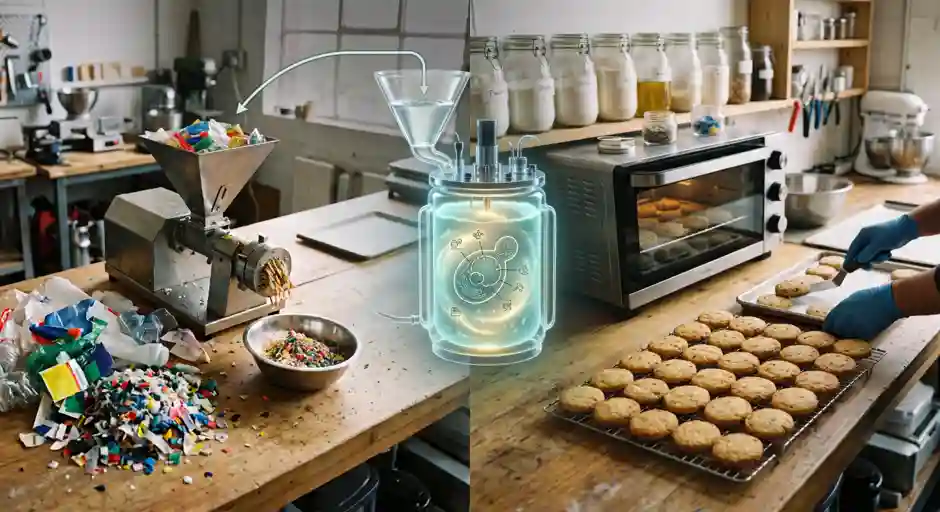
It sounds strange, but scientists are exploring exactly that idea, not by putting pieces of plastic into food, but by using engineered yeast to transform waste carbon into edible ingredients. Researchers at Southern Illinois University Carbondale have developed a process that takes PET, the plastic commonly used in water and soft-drink bottles, along with agricultural waste such as discarded corn stalks and leaves, and turns them into protein-rich ingredients. The work is part of a NASA-supported effort to develop food systems for places where resources are limited, including long-duration space missions.
But how does a plastic bottle become a cookie?
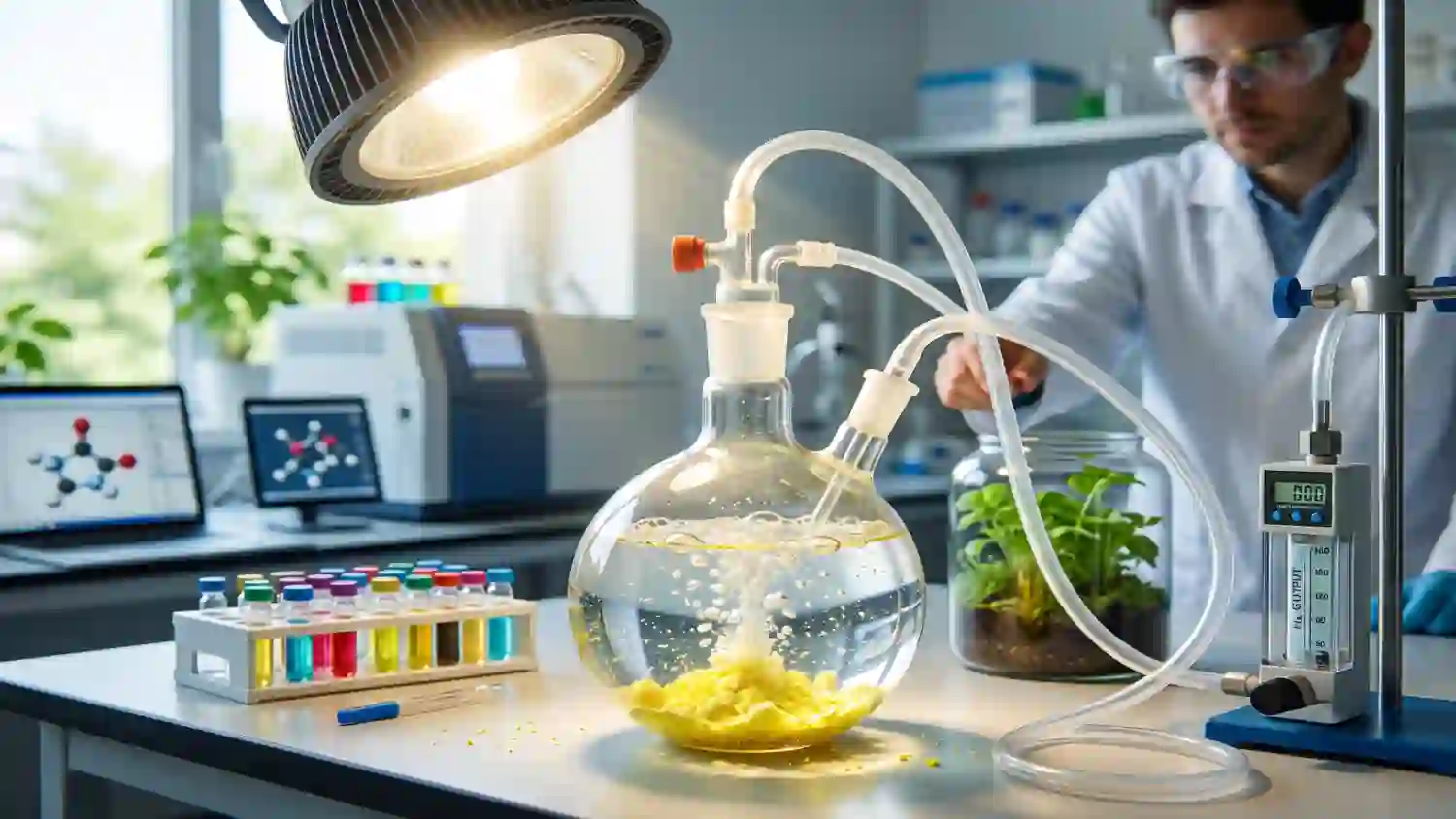
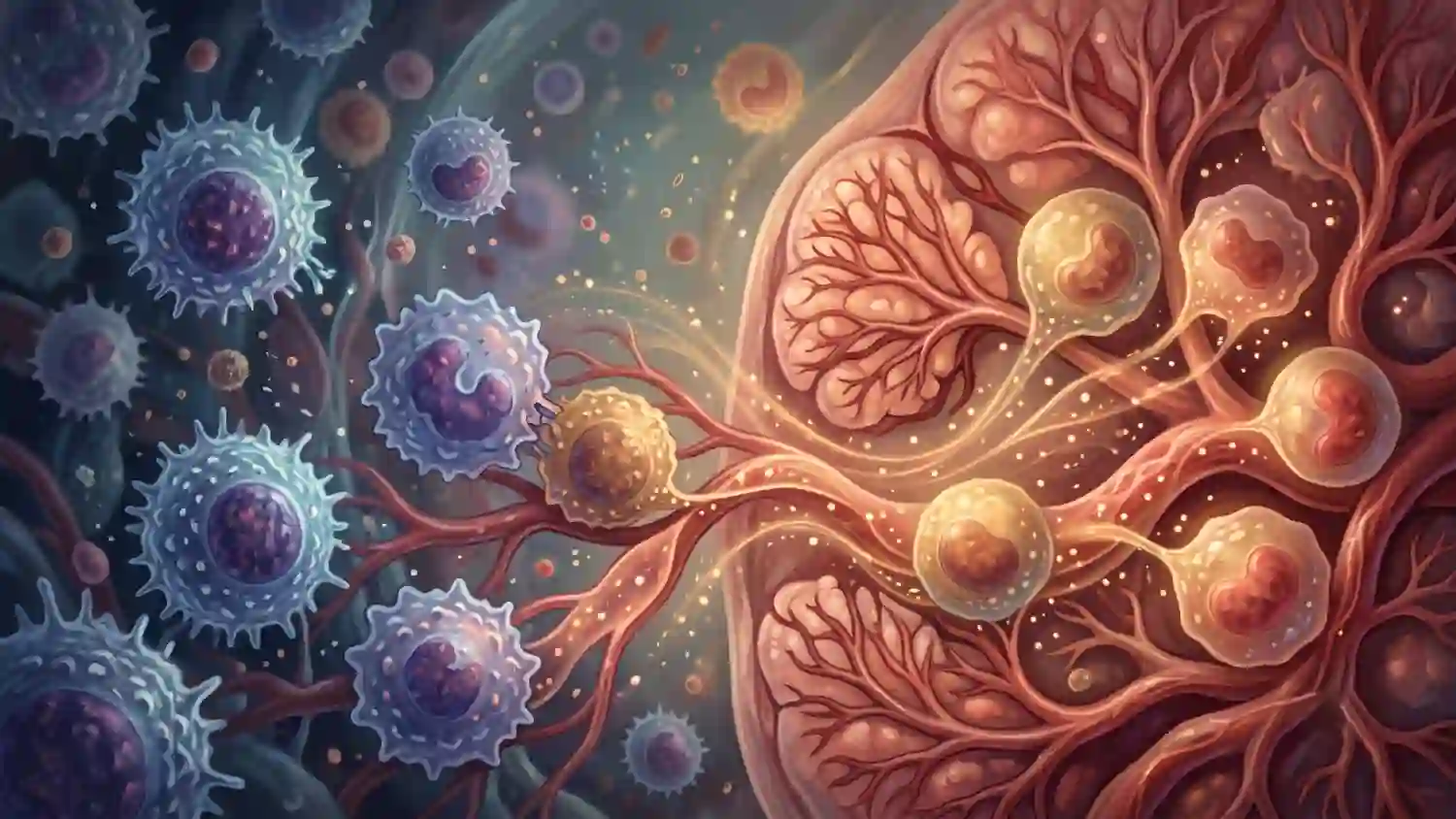
The first step is breaking the plastic down. PET is a tough material, so they use a process called oxidative hydrothermal dissolution. Water and oxygen are used at high temperatures and pressures to break the plastic and plant material into smaller carbon-containing molecules that microorganisms can use. Then comes the biological part. They programmed different yeast strains to act like tiny manufacturing factories. Instead of simply growing on ordinary food sources, these yeasts can use molecules derived from the plastic and crop waste to produce proteins, fats, vitamins and other useful compounds. The resulting yeast-derived material is combined with ingredients such as starch, fibre and sweeteners and formed into small, 3D-printed cookies called µBites, pronounced “microbites.” They are not stopping at protein. One engineered yeast can produce vanillin, the compound responsible for vanilla flavour, from plant-derived material. Another yeast strain can use a PET-derived compound called ethylene glycol to produce beta-carotene, which the human body can convert into vitamin A.
This could be particularly useful where carrying large amounts of food is difficult. A spacecraft, submarine or disaster-response operation could potentially use waste materials as a source of carbon and let microorganisms turn that carbon into useful food ingredients.
These cookies are not yet ready for supermarket shelves. They are still awaiting approval for human taste testing. So while the material has been developed as a food concept, we cannot yet say that eating plastic-derived cookies is safe for the general public. The bigger idea is not really about making a strange new snack. It is about changing how we think about waste.
A plastic bottle is usually something we throw away. A crop stalk may be left behind after harvest. But at the molecular level, both contain carbon and engineered microorganisms can potentially rearrange that carbon into something useful. One day, the question may not be “How do we get rid of our waste?” It can be: “What can we make from it?”
Sources: