When we hear the word mutation, we often think of cancer, inherited disorders or harmful genetic changes. But mutations are not inherently good or bad.
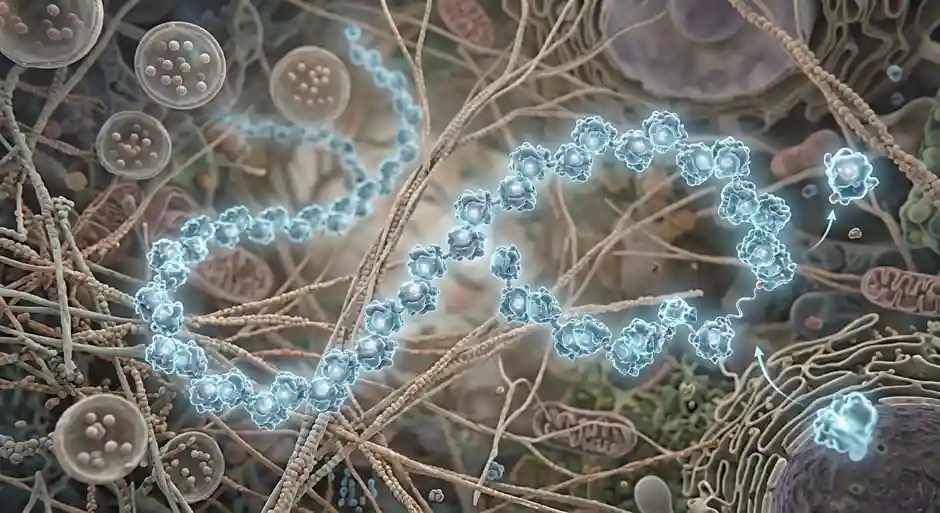
A genetic mutation is simply a change in DNA. Its biological effect depends on where it occurs, what it changes, and the environment in which it exists. Some mutations can actually protect people from disease.
When losing a gene becomes an advantage
One of the clearest examples involves CCR5, a protein found on the surface of immune cells.
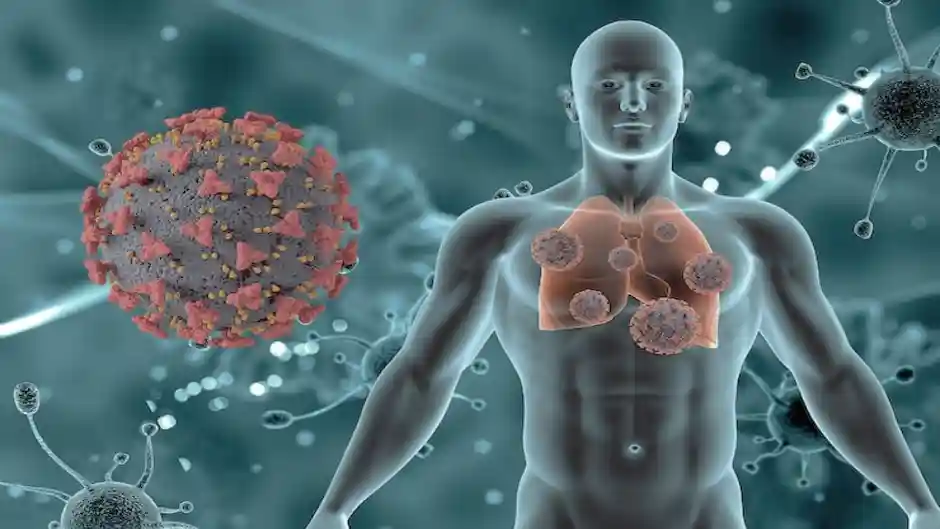
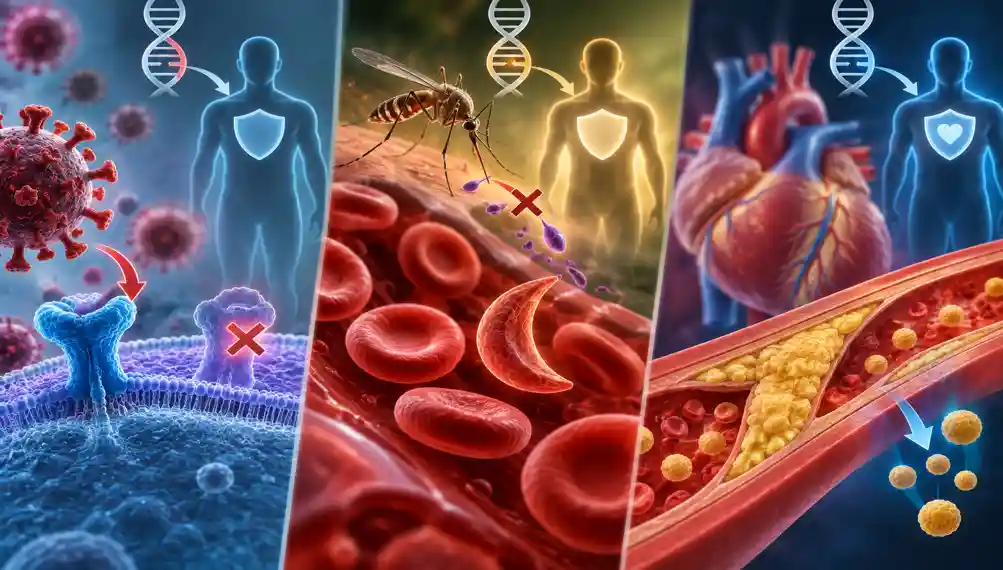
A naturally occurring mutation known as CCR5-Δ32 prevents functional CCR5 from reaching the cell surface. Because certain strains of HIV use CCR5 as a cellular entry route, people who inherit two copies of this variant have substantially increased resistance to infection by CCR5-tropic HIV.
But the same mutation demonstrates an important principle: a protective mutation in one context can have trade-offs in another. CCR5 also participates in normal immune responses, and researchers continue to investigate how disrupting the pathway affects susceptibility to other infections and inflammatory conditions.
Protection can come from changing a protein
Another famous example is the sickle-cell trait.
A particular mutation in the HBB gene changes haemoglobin. Individuals who inherit one sickle-cell allele generally do not develop sickle-cell disease, but the trait provides substantial protection against severe Plasmodium falciparummalaria. This helps explain why the variant has remained relatively common in regions where malaria has historically been widespread.
Here, natural selection illustrates something important: genetic variants do not evolve in isolation. The environment changes their consequences.
Sometimes the mutation changes disease risk
Protective genetic variation is not limited to infectious diseases.
Some variants in genes involved in cholesterol metabolism can dramatically lower cardiovascular risk. For example, naturally occurring loss-of-function variants in PCSK9 reduce LDL-cholesterol levels and are associated with a lower risk of coronary heart disease.
This discovery did more than reveal an unusual genetic phenomenon. It helped inspire an entirely new class of cholesterol-lowering medicines: PCSK9 inhibitors.
In other words, studying people with naturally protective mutations can sometimes reveal new therapeutic targets.
Why evolution keeps some unusual mutations
If a mutation improves survival or reproduction under particular conditions, natural selection can increase its frequency in a population.
But protection is rarely absolute.
A variant may reduce one disease risk while increasing another, work only in certain environments, or provide an advantage only when inherited in a particular combination.
That is why there is no simple category of “good mutations” and “bad mutations.”
A mutation is better understood as a biological change whose consequences depend on context.
Some mutations cause disease. Others do almost nothing. And some quietly provide protection that scientists may only discover decades or centuries later.
These rare genetic advantages are becoming increasingly valuable to medicine because they offer something researchers cannot easily create in a laboratory:
a natural experiment showing what happens when a biological pathway is switched off or altered in humans.
Source: