Hydrogen is often discussed as a cleaner alternative to fossil fuels, but nature has been producing it long before humans began exploring hydrogen energy. Certain microorganisms use specialised enzymes called hydrogenases to convert protons and electrons into hydrogen gas. These enzymes can capture almost 10,000 protons per second. Now, researchers have uncovered a tiny molecular movement that may help explain how they achieve such remarkable efficiency. The study, published in the Journal of the American Chemical Society, was conducted by researchers from Ruhr University Bochum in Germany. The team investigated a group of enzymes known as [FeFe]-hydrogenases, which contain an iron-based catalytic centre where hydrogen production takes place.
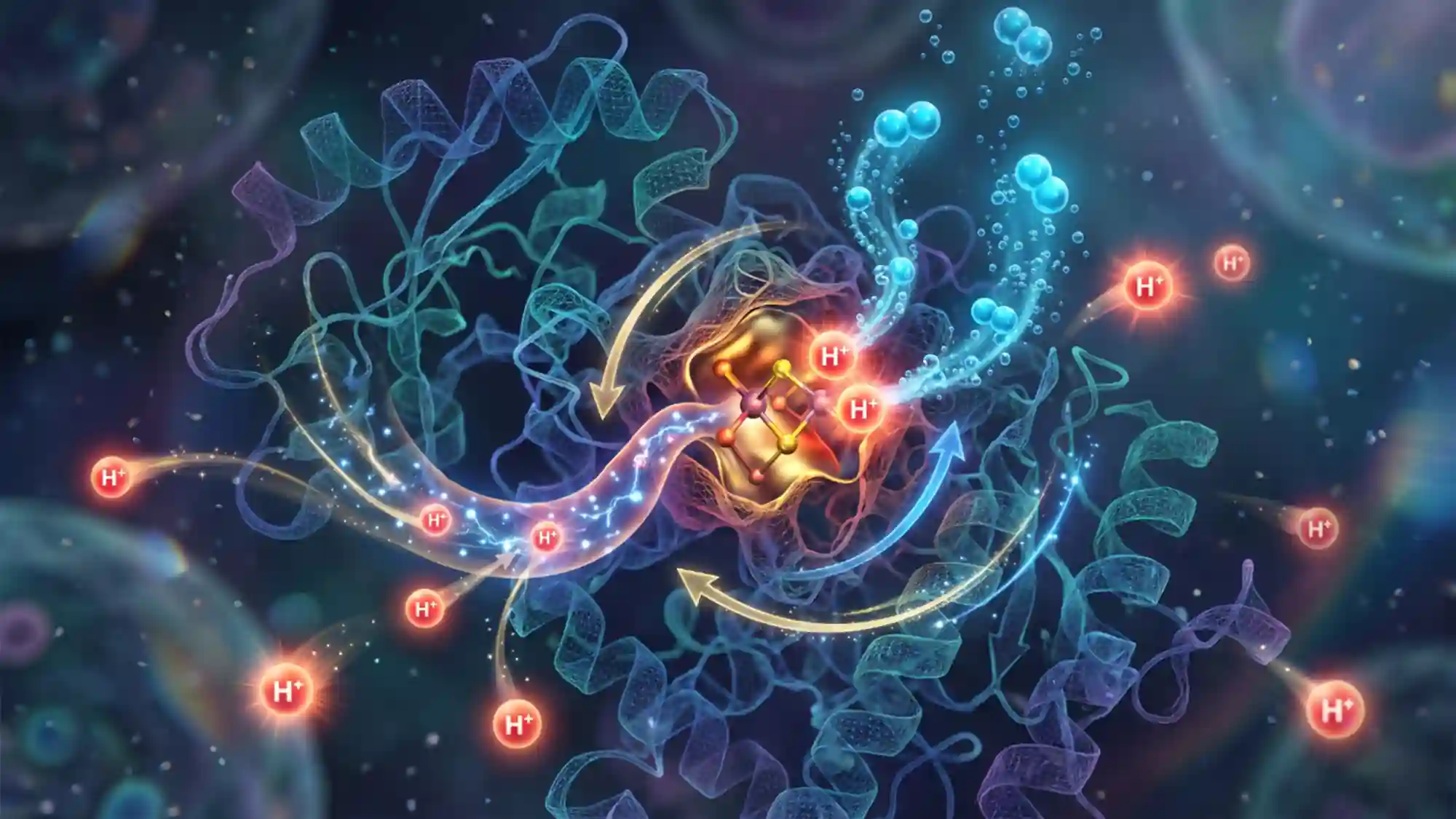
For the reaction to proceed efficiently, protons must travel from the surrounding cellular fluid to this active centre. Although the enzymes already have a recognised pathway for transporting protons internally, how they rapidly capture these protons from their surroundings was less clear. The researchers began by examining the effects of zinc and other metal ions on hydrogenase activity. They found that these ions could attach to particular sites on the enzyme and interfere with hydrogen production. More importantly, one inhibitory binding site was located close to the enzyme’s known proton transport pathway.
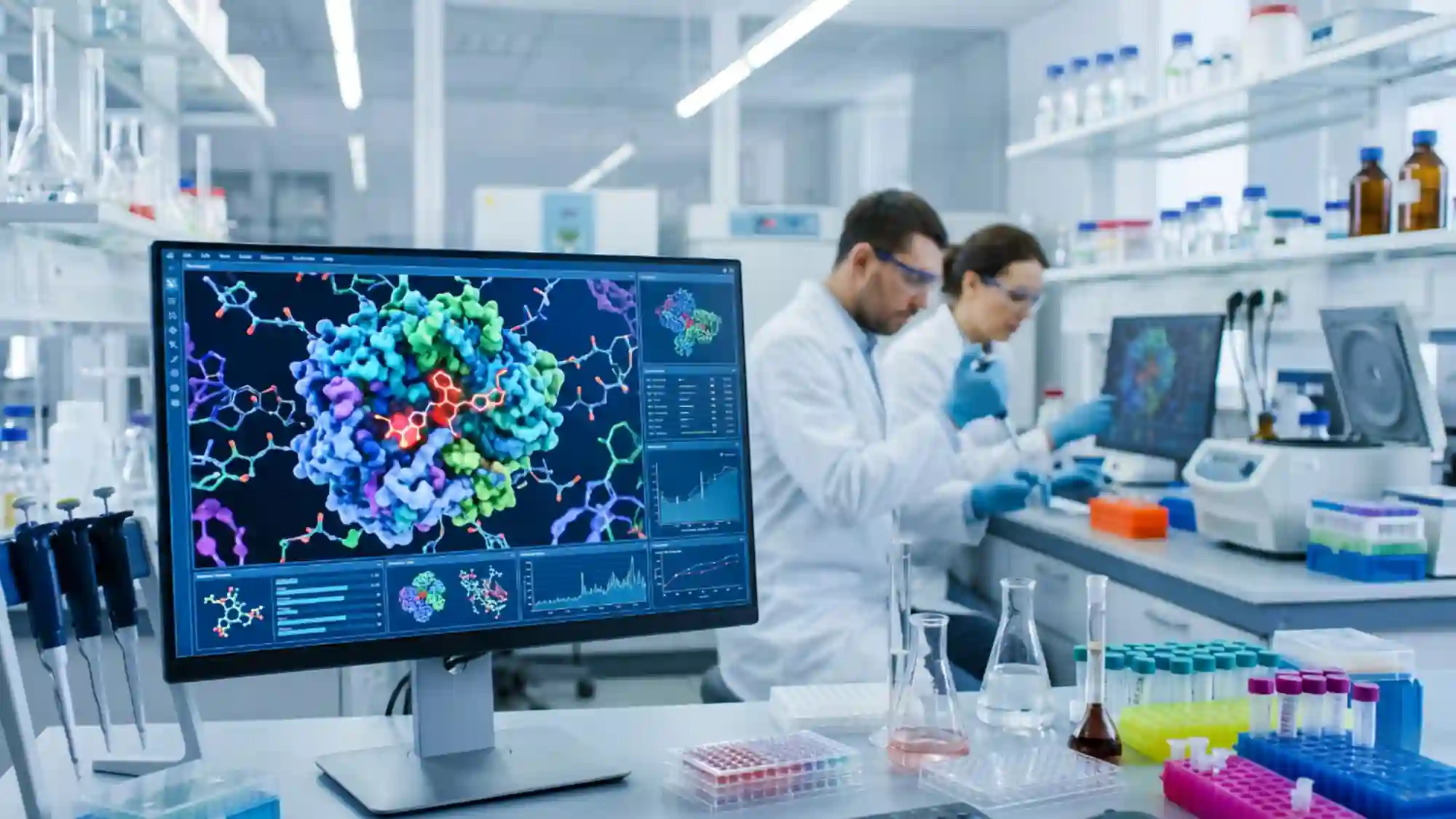
The investigation revealed the involvement of two amino acids called histidines, located near the enzyme’s surface. Histidine can bind and release protons, making it well suited to proton transfer. Using protein crystallography, hydrogen production assays, electrochemistry and molecular simulations, the team identified a pendulum-like movement involving one of these histidines. When it swings towards the enzyme’s surface, it can collect a proton from the second histidine. It then moves towards the enzyme’s interior and transfers that proton into the established transport pathway leading to the catalytic centre. Another amino acid, glutamate, acts as an anchor or pivot that helps position the moving histidine. Together, these molecular interactions create a system that helps the enzyme collect and deliver protons efficiently. They also tested what happened when individual amino acids were replaced. Changing one histidine produced an enzyme that remained active but became insensitive to zinc. Replacing the other significantly reduced hydrogen production, supporting its important role in proton transfer.
Why does this discovery matter?
The pendulum-like mechanism appears to be present in Group A [FeFe]-hydrogenases, which are known for their particularly high catalytic activity. Its presence may help explain why these enzymes can produce hydrogen more efficiently than other groups. Understanding this mechanism could eventually guide researchers in designing or improving biological catalysts for hydrogen production. Such enzymes may have potential applications in bio-based energy technologies, although this study does not yet demonstrate a new industrial hydrogen-production system. For now, the discovery offers a closer look at how proteins use remarkably small structural movements to carry out essential chemical reactions. Sometimes, the difference between an ordinary enzyme and an exceptionally efficient one may come down to a single amino acid that knows when to swing.
The protein pendulum: how enzymes capture protons to make hydrogen
German researchers discovered that hydrogen-producing enzymes called [FeFe]-hydrogenases use a pendulum-like swing of a histidine amino acid, anchored by glutamate, to capture protons and deliver them to the catalytic centre. This tiny movement likely explains the high efficiency of Group A enzymes and could guide the design of better biological catalysts for hydrogen production, though no industrial application exists yet.