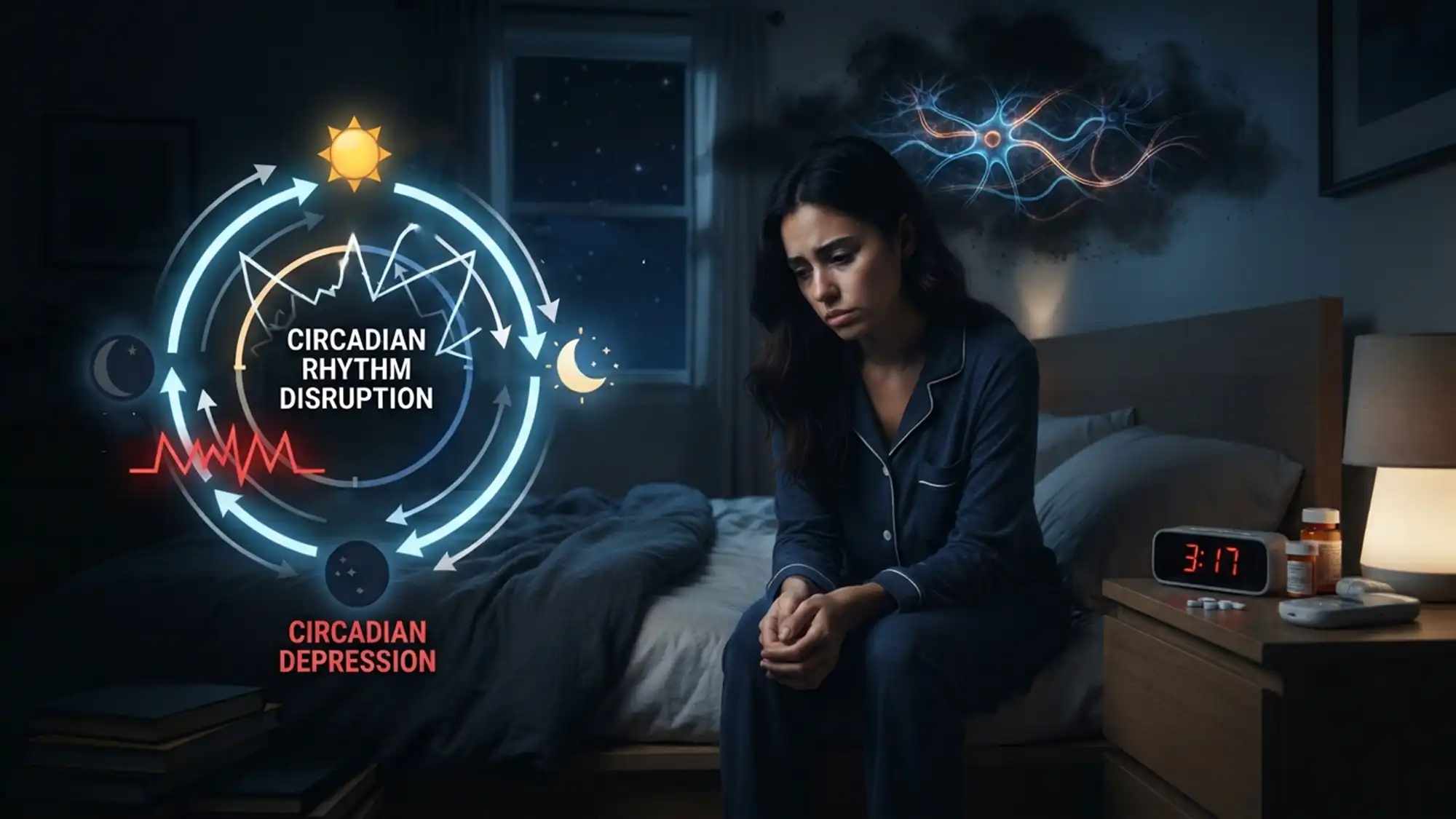
Some people naturally feel more alert at night and struggle to wake up in the morning. Others find their sleep patterns change with the seasons. These differences may seem like ordinary variations in daily routine, but researchers are investigating whether they could reveal something important about depression. A study from the University of Sydney has identified a possible subtype called circadian depression, in which disruptions to the body’s internal 24-hour clock appear to be closely linked to the illness.
When the internal clock falls out of sync?
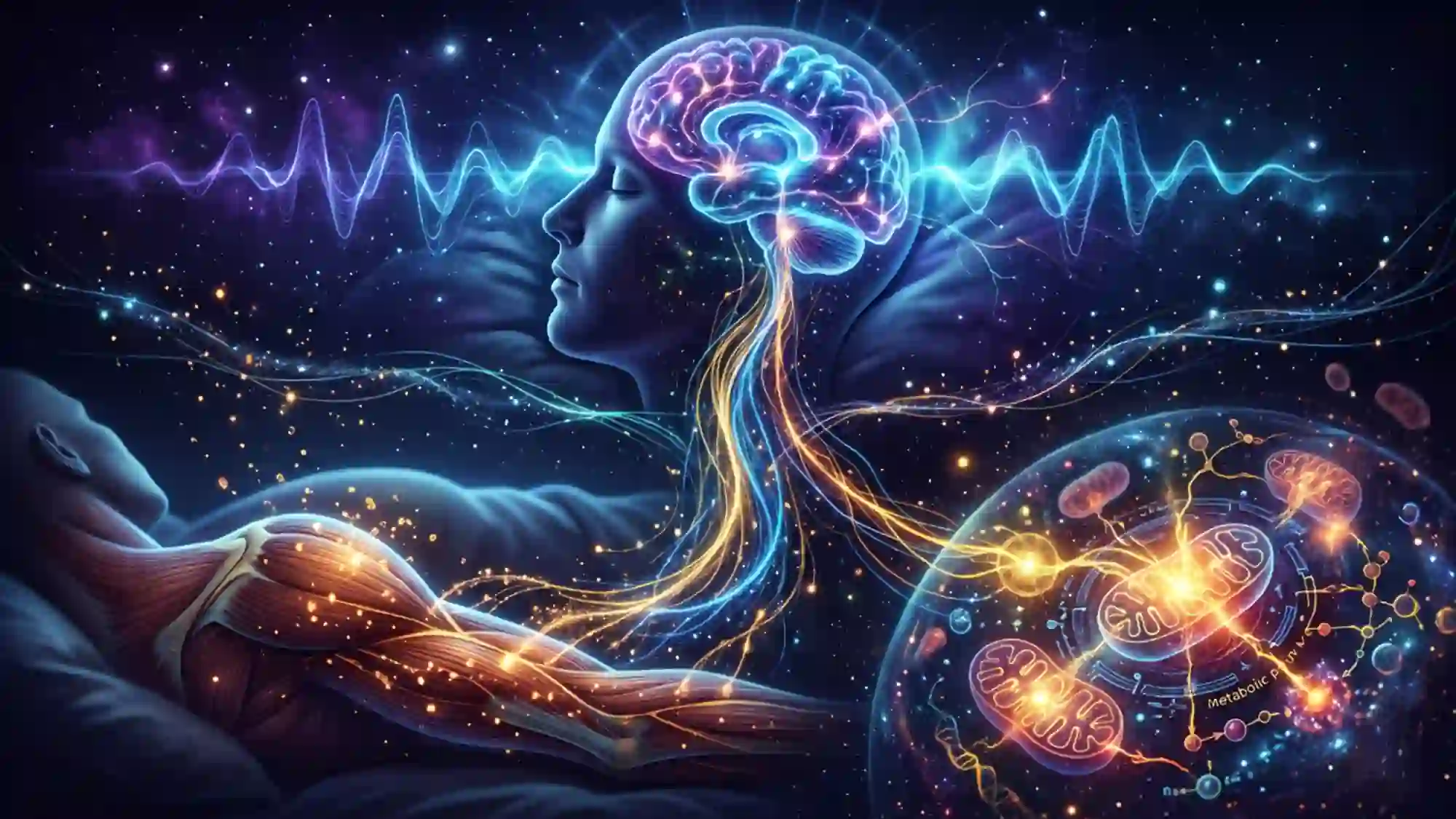
Our bodies follow an internal timing system known as the circadian rhythm. It helps coordinate sleep and wakefulness, hormone release, body temperature and other processes across the day. This rhythm is influenced by environmental cues, especially light. When the internal clock becomes misaligned with our daily schedules, it can affect sleep, energy and alertness. Researchers wanted to understand whether these disruptions might distinguish one group of people with depression from others.
The team analysed clinical and genetic information from 11,380 people enrolled in the Australian Genetics of Depression Study. They identified six features associated with disrupted body-clock patterns, including being a night owl, waking up feeling exhausted, sleeping longer during depressive episodes, seasonal changes in symptoms, delayed sleep timing and a mismatch between weekday and weekend sleep schedules. People who showed at least three of these features were classified as having the proposed circadian subtype. This applied to 2,604 participants, or about 23% of the study group.
They also tended to experience depression at a younger age and reported more severe symptoms. Importantly, their depression appeared less responsive to commonly prescribed antidepressants such as SSRIs and SNRIs, based on reported treatment responses. The findings suggest that treatments targeting the body’s clock, including light therapy and melatonin-based approaches, may deserve further investigation for this group.
Depression does not affect everyone in the same way, and identifying different biological patterns could help researchers understand why some treatments work better for certain people. However, circadian depression is not yet a formally recognised clinical diagnosis. The study was based on people with severe, recurrent or persistent depression, and its findings need to be independently confirmed in more diverse populations. For now, the research adds to an important idea: understanding depression may require looking beyond mood alone. The body’s daily rhythms, sleep patterns and biological timing could also be part of the picture.
Sources
• Tonini, E., Crouse, J. J., Shin, M., et al. (2026). Clinical and genetic correlates of a circadian subtype of depression in the Australian Genetics of Depression Study. The British Journal of Psychiatry.
Out of Sync: How a Disrupted Body Clock May Define a Hidden Type of Depression
A University of Sydney study of 11,380 people proposes a “circadian” subtype of depression (about 23% of participants), marked by body-clock disruptions like night-owl habits and seasonal symptoms, and tied to earlier onset, more severe symptoms and weaker response to SSRIs and SNRIs, though it still needs independent confirmation and isn’t a formal diagnosis.