What if treating a damaged liver began somewhere else in the body? Scientists have found that an experimental drug called DT-109 can reduce liver damage by targeting harmful processes in the gut. In studies involving mice and nonhuman primates, the compound reduced inflammation and improved features of a serious form of fatty liver disease by interrupting a chain reaction involving gut bacteria, ammonia and immune cells. The research, published in The Journal of Clinical Investigation in 2026, highlights how closely intestinal health and liver function are connected. Although the findings are promising, DT-109 has not yet been established as a treatment for people.
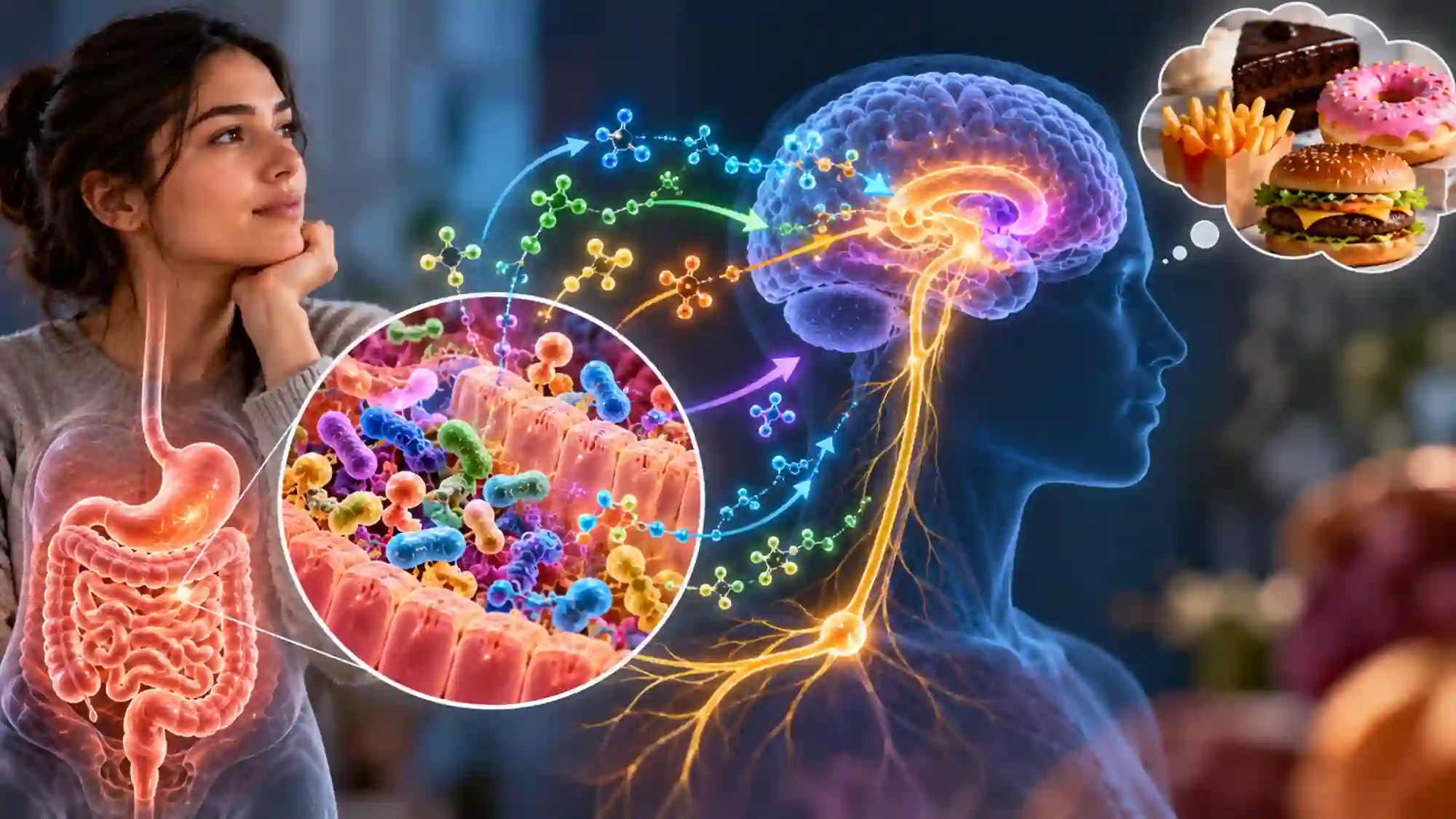
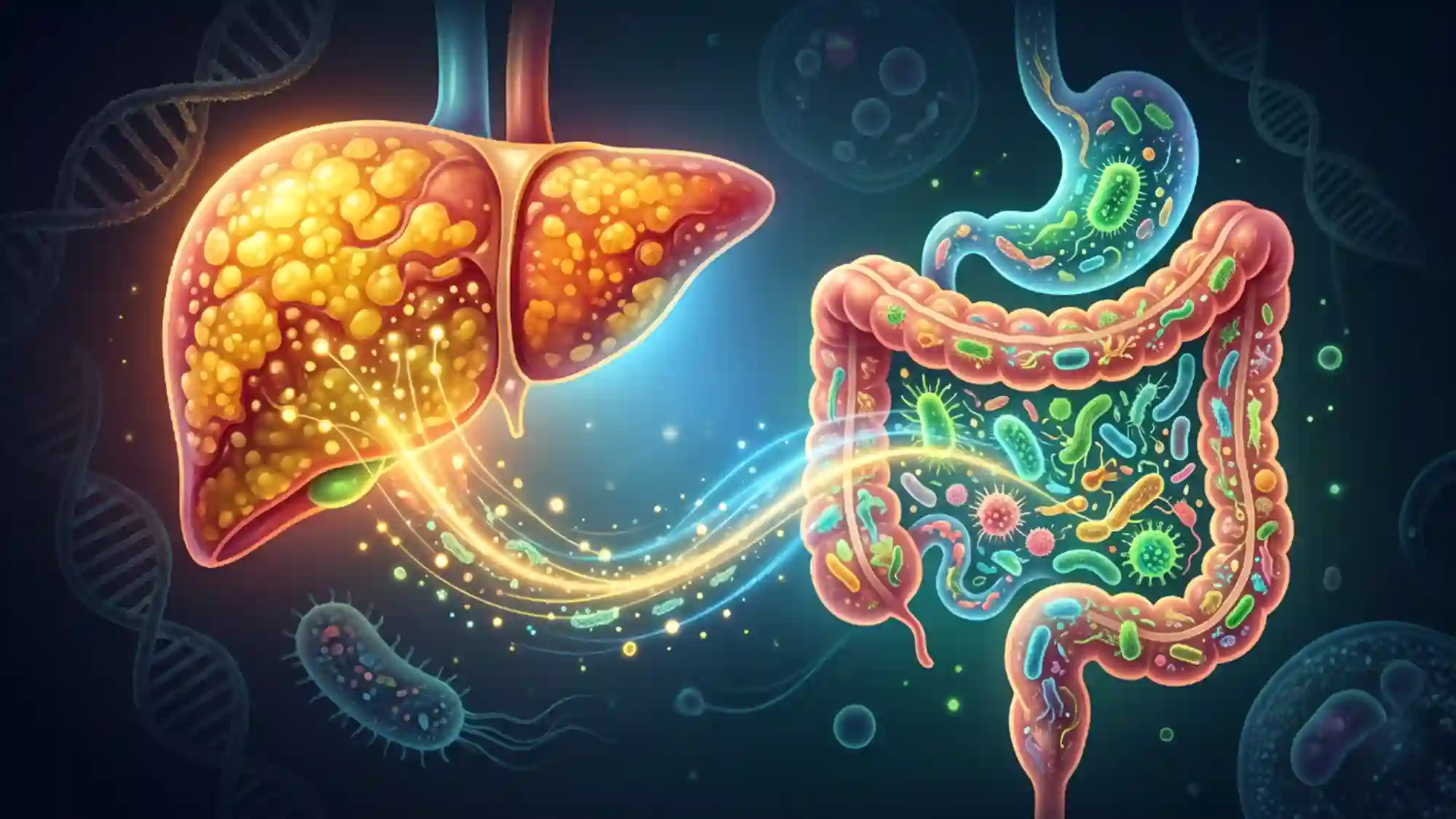
The condition investigated was metabolic dysfunction-associated steatohepatitis (MASH), a progressive form of fatty liver disease in which excess fat accumulates in the liver alongside inflammation and cellular injury. Over time, MASH can cause fibrosis, in which scar tissue builds up, and may progress to cirrhosis. They identified a potential contributor to this damage: an increase in the gut bacterium Clostridium perfringens, which can produce ammonia. Normally, the intestinal lining acts as a protective barrier, preventing many substances inside the gut from entering the bloodstream. However, excessive ammonia can damage this lining, allowing microbial products to cross into the body and reach the liver. Once there, these substances can promote inflammation and alter the activity of CD8+ T cells, immune cells that normally help defend the body against infected or abnormal cells. When their activity becomes excessive, they can contribute to liver injury. This creates a damaging cycle in which gut microbial changes weaken the intestinal barrier and amplify inflammation in the liver.
DT-109 is a tripeptide which is a small molecule made from three amino acids. Rather than acting primarily on liver tissue, the compound appears to work largely within the gastrointestinal tract. In experiments involving mice and nonhuman primates, DT-109 reduced the abundance of C. perfringens and lowered intestinal ammonia levels. These changes helped restore the gut barrier, limiting the movement of harmful microbial substances into the body. They also observed changes in the liver’s immune response. Treatment reduced the activity of inflammatory pathways involving CD8+ T cells and a signalling molecule called CCL5, which helps recruit immune cells to sites of inflammation. In nonhuman primates with experimentally induced MASH, the treatment reduced liver inflammation and improved several features of the disease. These results support the idea that targeting a harmful process in the gut can benefit an organ located elsewhere in the body.

Is this a new treatment for fatty liver disease? Not yet. The researchers also examined human samples and found evidence linking C. perfringens and inflammatory markers with MASH. However, the human data did not demonstrate that DT-109 treats the disease in people; the treatment experiments were conducted in animals. Further studies will need to establish the compound’s safety, appropriate dose and effectiveness in human clinical trials. The research also has disclosed commercial interests connected to DT-109’s development, making independent evaluation important as it progresses. The study nevertheless offers a valuable insight: liver disease may sometimes be influenced by processes taking place in the gut. If future trials confirm these findings, restoring the intestinal barrier and controlling harmful microbial activity could become an additional strategy for treating MASH.
Sources
Qu, P., Ding, S., Zhang, Y., Zhao, Y., Song, E., Hu, L., Ding, R., Cao, W., Hou, Y., Qi, J., Zhao, J., Duan, C., Liu, S., Shen, C., Zhao, Y., Guo, Y., Zheng, Z., Luo, S., Hu, H., . . . Chen, Y. E. (2026). Metabolic dysfunction–associated steatohepatitis exacerbated by Clostridium perfringens–derived ammonia is attenuated by tripeptide DT-109. The Journal of Clinical Investigation, 136(13), Article e200522. https://doi.org/10.1172/JCI200522