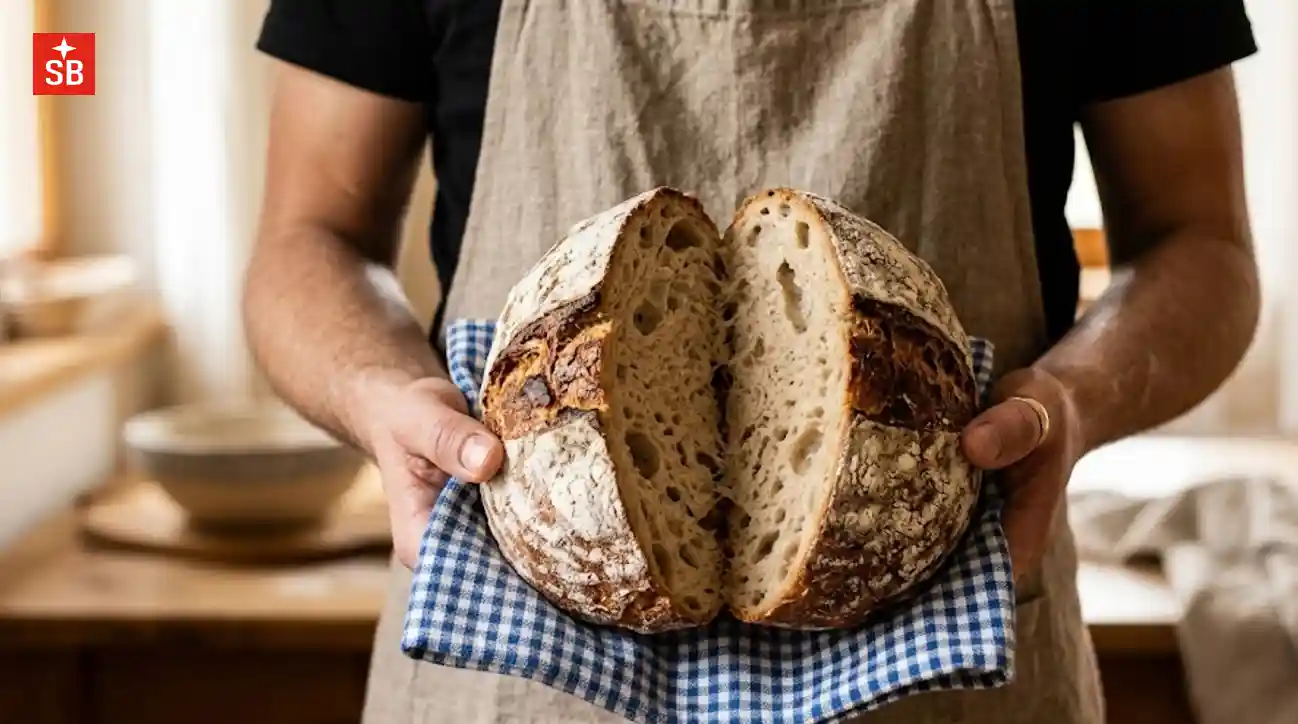
For thousands of years, humans ate bread that was alive. Then, in our modern hurry to mass-produce food, we killed it. We traded culinary soul for industrial speed, filling grocery shelves with uniform, puffy, loaves born of isolated commercial yeast and chemical accelerators. But a profound revolution is sweeping back into our kitchens. This is the dramatic saga of sourdough a glorious, bubbling partnership between humans and invisible microscopic beasts that is part history, part biochemistry, and entirely magical.
What on Earth is Sourdough?
To understand the majesty of sourdough, one must first look backward to a time when baking was not a factory science, but a beautiful accident. Around 3,000 BCE in ancient Egypt, a busy baker likely left a bowl of raw flour and water sitting out under the blazing desert sun. In the air sat invisible spores of wild yeast and bacteria. They drifted down into the wet flour, found a paradise of sugars, and began a quiet feast. The dough puffed up, filling with mysterious gas bubbles. Instead of discarding this seemingly spoiled mixture, the adventurous baker threw it into a hot oven. The result was not a flat, dense cracker, but a towering, fragrant, tangy masterpiece.
Centuries later, this wild fermentation became a literal lifesaver during the 1849 California Gold Rush. Miners traveling to San Francisco carried crocks of bubbling sourdough starter strapped tightly to their bodies, using their own body heat to protect the precious microbes from the freezing mountain air. These prospectors relied so heavily on this living culture that they earned the permanent nickname “Sourdoughs,” proving that a jar of fermented flour could be just as valuable as gold.

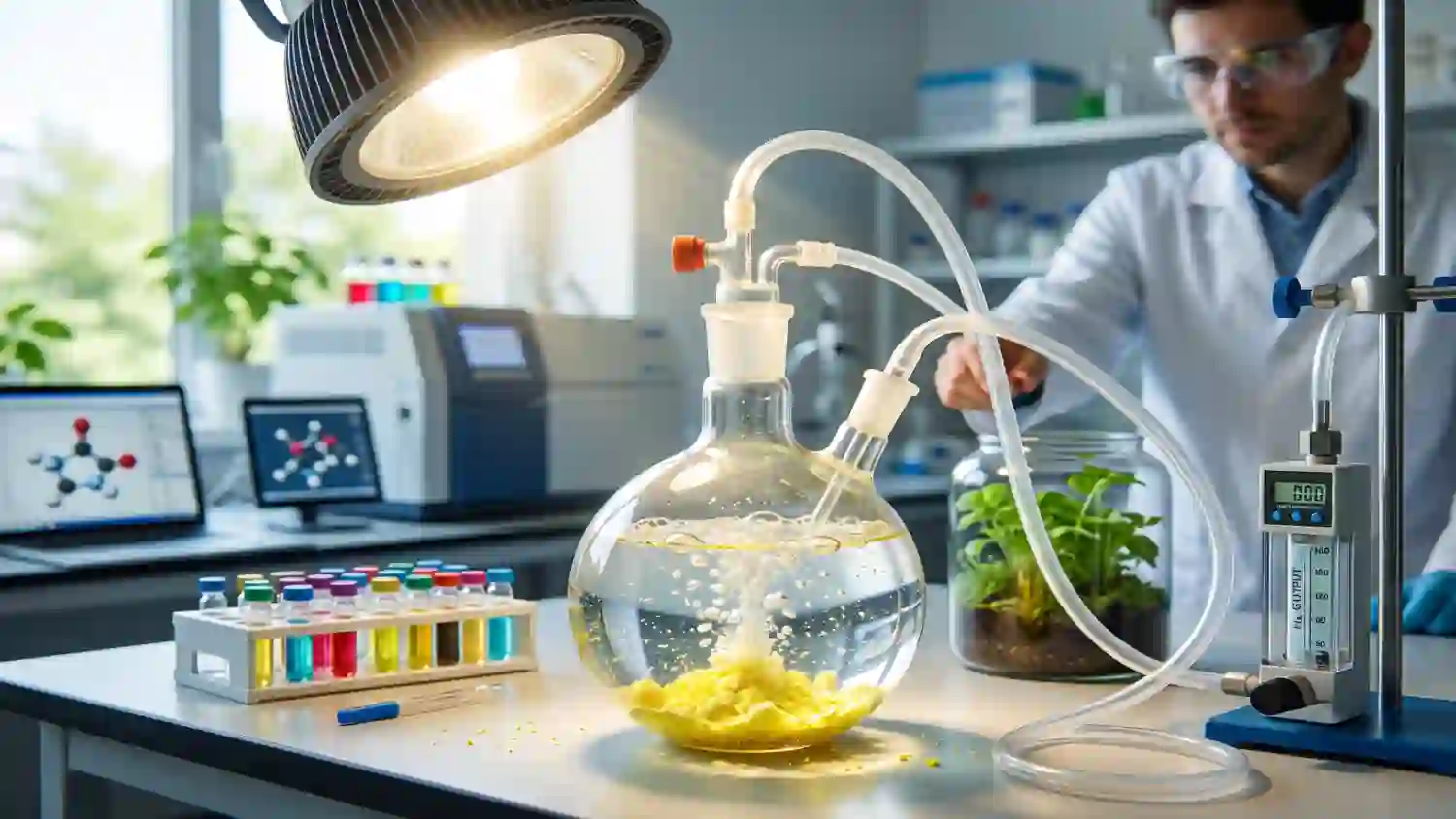
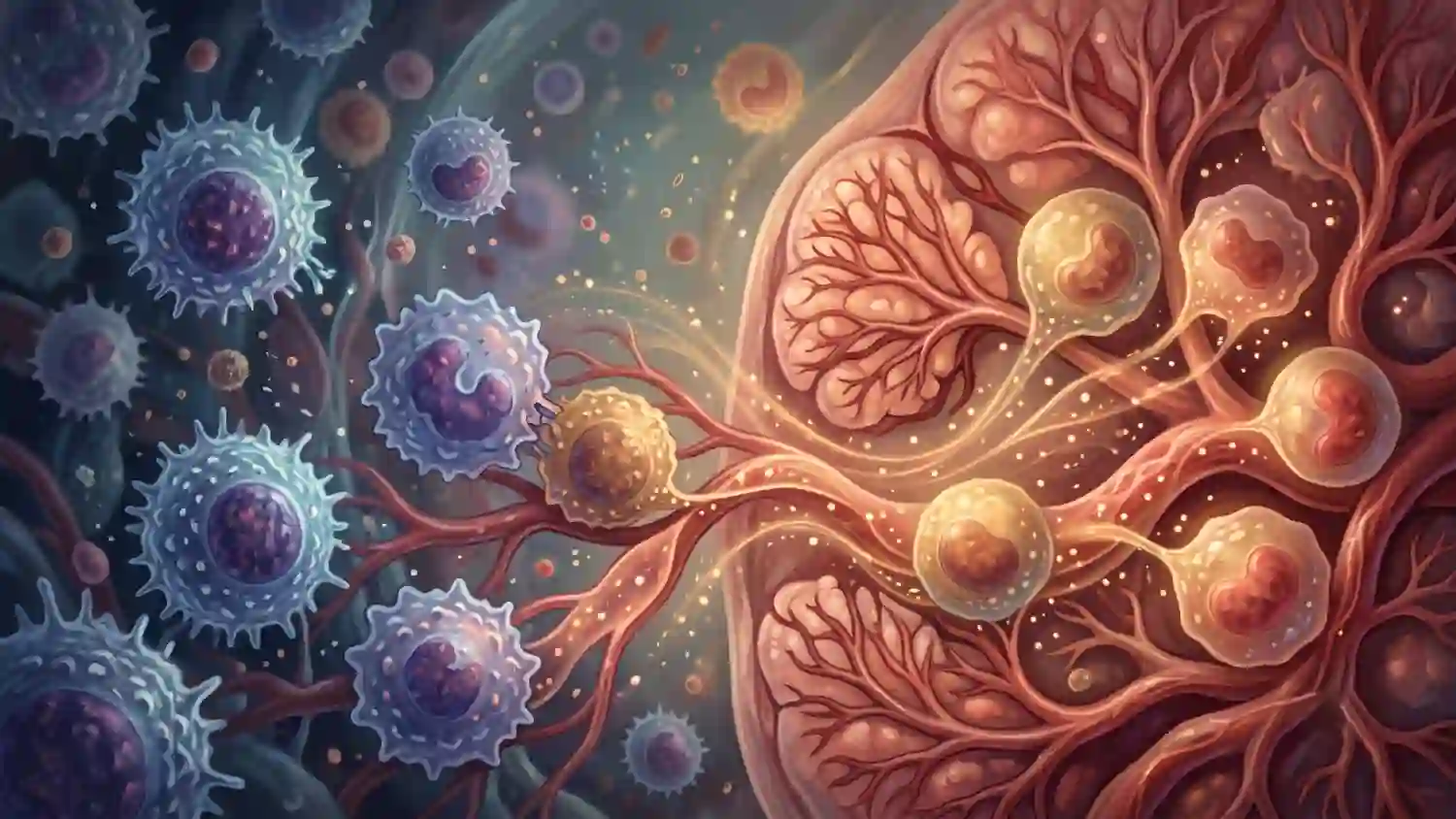
Behind this rich history lies an invisible theatre of complex biochemistry. When you mix flour and water today, you are setting the stage for a spectacular microbial alliance. A healthy sourdough starter is a thriving ecosystem dominated by two main players: wild yeast, primarily Candida humilis, and lactic acid bacteria, such as Lactobacillus sanfranciscensis. Unlike commercial baker’s yeast, which quickly dies in acidic environments, these two organisms form a perfect symbiotic relationship. Enzymes within the flour first chop up complex starches into simple sugars like maltose and glucose. The wild yeast steps in to consume the glucose, metabolizing it into carbon dioxide gas and ethanol. This gas gets trapped in a sticky, elastic net of gluten proteins, causing the dough to rise dramatically. Meanwhile, the Lactobacillus bacteria happily feast on the leftover maltose, pumping out lactic and acetic acids. This biological factory drops the pH of the dough down to a sharp, acidic 3.8 to 4.5. This sour environment does two incredible things: it creates the signature tangy flavor profile, and it acts as a toxic shield, killing off dangerous food-poisoning pathogens that try to invade the dough.
The Ultimate Microbial Face-Off
To truly appreciate how this wild, ancient fermentation process stacks up against the fast-paced demands of modern manufacturing, we must look at the direct trade-offs. The table below outlines the heavy battle between biological patience and industrial speed, mapping out the precise benefits and disadvantages of adopting the sourdough lifestyle.
| The Sunny Side (Benefits) | The Dark Side (Disadvantages & Side Effects) |
| The Nutrient Unlocker: Long fermentation activates phytase, breaking down phytic acid to liberate locked-up minerals like iron, zinc, and magnesium. | The Tyranny of Time: True sourdough cannot be rushed. It demands a grueling 12 to 36 hours of patience compared to a 2-hour factory loaf. |
| The Low-FODMAP Miracle: Bacteria pre-digest complex carbohydrates, allowing many people with mild gut sensitivities or IBS to eat a slice without bloating. | The Gluten Illusion: It is not gluten-free. Enzymes soften the proteins, but a single crumb remains highly hazardous for anyone with Celiac Disease. |
| Blood Sugar Friendly: Organic acids slow stomach emptying, causing glucose to enter the bloodstream at a steady crawl rather than a sharp spike. | The Histamine Trap: Fermentation naturally builds up biogenic amines. This can trigger sudden headaches, flushing, or hives in histamine-intolerant people. |
| Natural Preservation: The high acidity creates a hostile environment for mold and pathogens, giving the loaf a long shelf-life without chemicals. | The Bloating Paradox: Introducing heavy sourdough to an unaccustomed, highly sensitive gut can initially cause short-term gas and abdominal stretching. |
| Pure & Additive-Free: Authentic sourdough relies strictly on three clean ingredients: flour, water, and salt. | The Artisan Price Tag: Due to the intense labor and time involved, a real bakery loaf often carries a steep, luxury price tag. |
The core lesson to take home from the world of sourdough is that authenticity matters. Real sourdough requires only those three basic ingredients. If an ingredient label lists commercial yeast or vinegar, it is an imitation “sour-flavored” product losing out on the mineral-liberating, gut-friendly benefits of true symbiosis. Sourdough is a bridge to our past, proving that when we collaborate with nature rather than trying to conquer it, we create something far healthier, tastier, and infinitely more resilient.