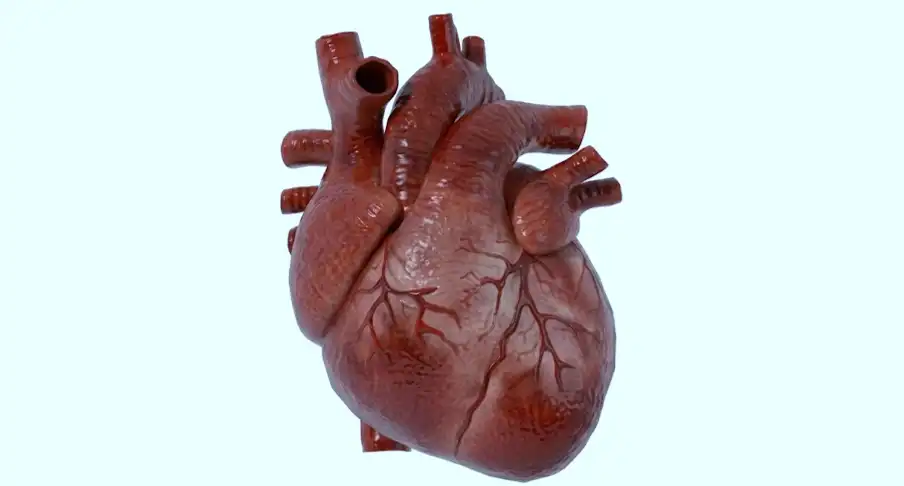
A new study is offering an unexpected insight into what happens to a human heart after transplantation: the heart may gradually adjust its biological age to match the person receiving it. Researchers found that young hearts transplanted into older bodies showed signs of faster biological aging, while older hearts placed into younger bodies appeared to become biologically younger. The findings come from a study led by Jesse R. Poganik and colleagues at Harvard Medical School and other institutions. The research was published as a preprint on bioRxiv.
A heart may respond to its new environment
When doctors perform a heart transplant, the donor heart is placed inside a completely different body. Until now, much of the attention has focused on whether the new heart will function properly and whether the patient’s immune system will accept it. The new research suggests that the story may not end there. Scientists wanted to know whether the biological age of a transplanted heart remains linked to its original donor or changes according to the new body in which it lives.
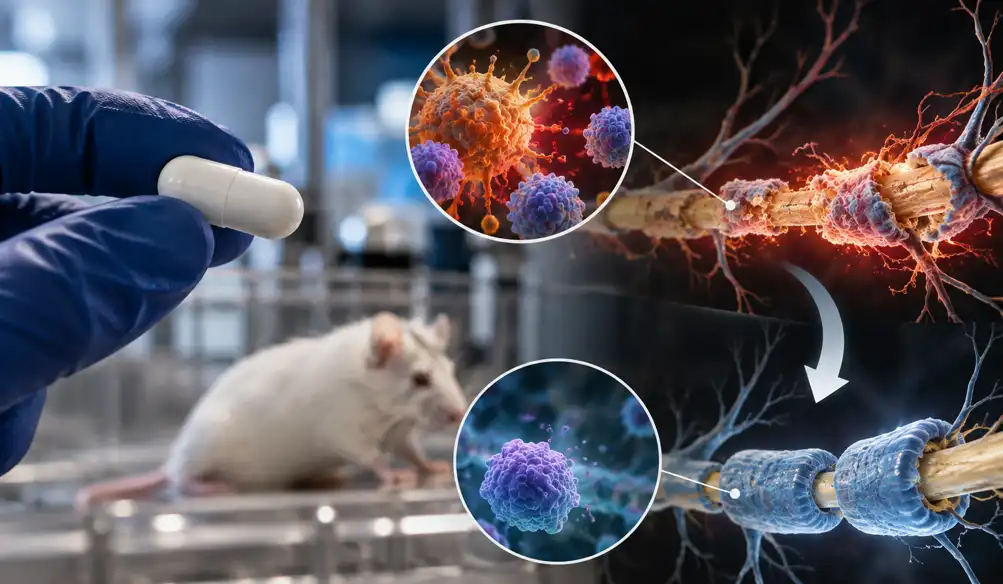
The researchers first studied mice. They transplanted hearts from young, middle-aged and older mice into animals of different ages. Several months later, they examined the transplanted hearts for molecular signs associated with aging.
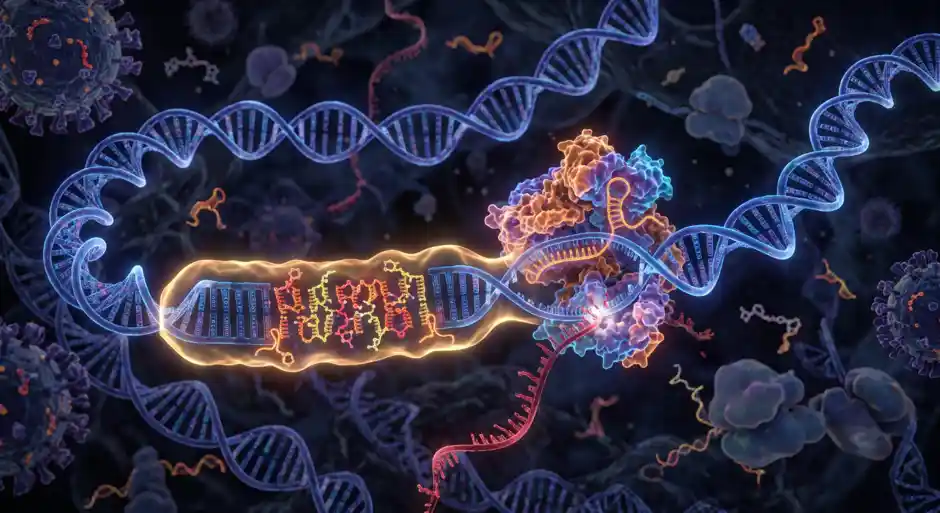
One important measurement was DNA methylation. These are chemical marks attached to DNA that can change as cells age. Scientists can use patterns of DNA methylation as one way of estimating a tissue’s biological age. The results showed a clear pattern. Young hearts placed in older mice developed ageing patterns more quickly, while older hearts placed in younger mice showed signs associated with a younger biological age.
The human evidence
The researchers then looked at previous heart-transplant cases involving people. They identified 11 patients whose donor and recipient ages differed substantially and examined stored heart-biopsy samples. Again, the biological age of the transplanted heart appeared to be more closely related to the recipient’s age than the donor’s age. The team also examined medical information from hundreds of transplant recipients. Some measures of heart function, including exercise capacity, heart rate and heart-wall thickness, showed relationships with the recipient’s age rather than simply reflecting the donor’s age. However, not every measure followed this pattern.
What could be causing this?
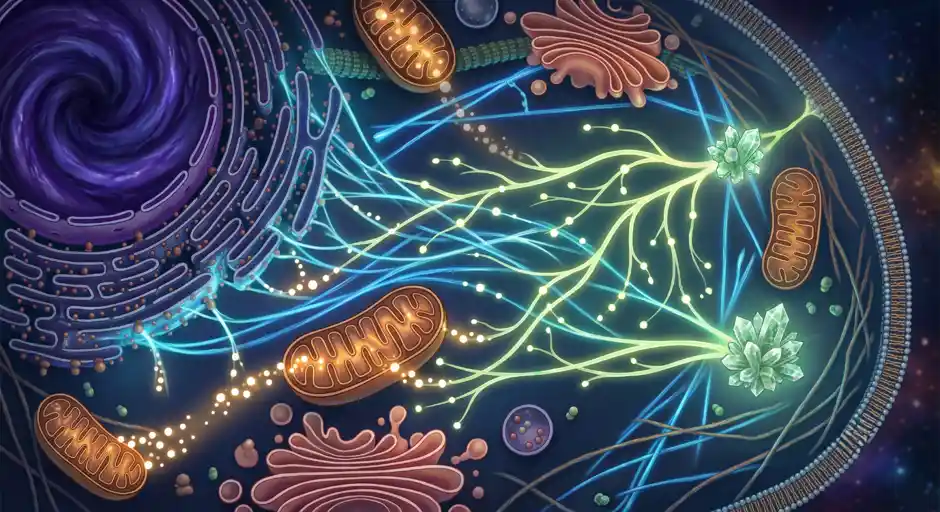
Scientists do not yet have a complete answer. One possibility is that the transplanted heart is continuously exposed to the recipient’s blood, hormones, immune signals and other biological factors. Together, these could influence how cells behave and how ageing-related changes develop. The study also found changes in genes involved in mitochondrial activity, important because mitochondria act as the energy-producing centres of cells. However, more research is needed to understand exactly how these changes occur.
Could this increase the number of donor hearts?
This is where the research could eventually become important for patients waiting for a transplant. Heart donation is limited, and many patients die while waiting for a suitable organ. Younger donor hearts are often preferred, although older hearts can sometimes be used when they are otherwise healthy. If further research confirms that an older heart can adapt biologically inside a younger recipient, doctors might eventually have more flexibility when considering donor organs. But this does not mean older hearts can currently be treated as equivalent to younger hearts. The researchers stress that much more work is required before transplant guidelines could change.
For now, the study offers a fascinating message: our organs may be more responsive to their surroundings than previously thought. A transplanted heart does not simply continue ageing according to the calendar age of its original owner. Its new biological environment may play a major role in shaping what happens to it.
References
Poganik, J. R., Matsunaga, T., Tyshkovskiy, A., Lu, A., Haghani, A., Zhou, H., Martin, F., Horvath, S., Givertz, M. M., Tullius, S. G., & Gladyshev, V. N. (2026). Transplanted hearts assimilate the recipient’s biological age. bioRxiv. https://doi.org/10.64898/2026.09.15.751836 (bioRxiv)
Simms, C. (2026, September 28). Transplanted hearts adjust their biological age to that of their host. Nature. https://doi.org/10.1038/d41586-026-03043-w (Nature)
Zhang, B., et al. (2023). Young blood reverses age-related changes in old mice. Nature Aging, 3, 948–964.