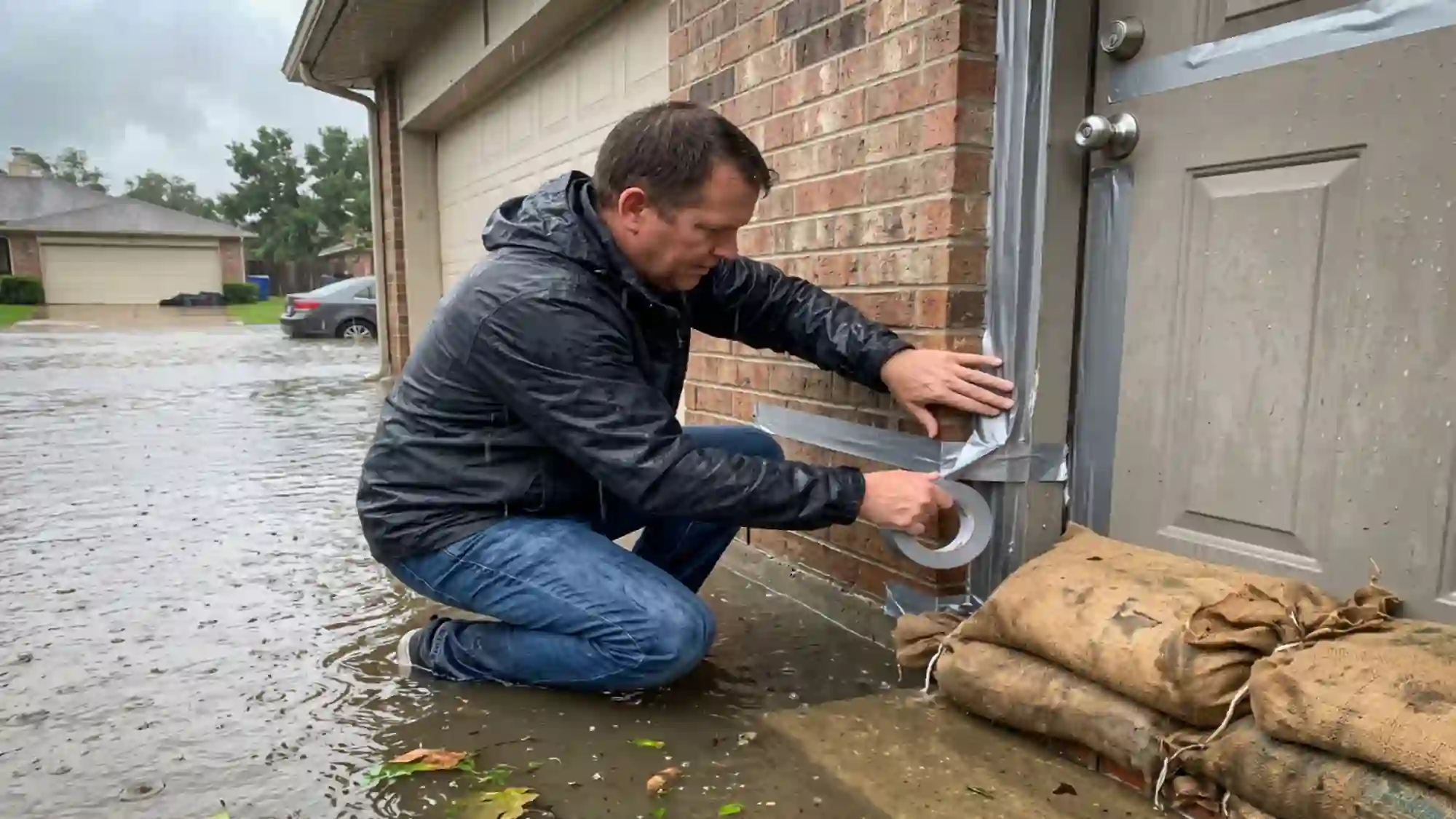
When floodwater approaches a home, sandbags are often among the first defences people consider. But a recent laboratory experiment has revealed an unexpected alternative: ordinary duct tape. Researchers found that sealing the outside of household doors with duct tape reduced water leakage far more effectively than sandbags under their test conditions. The discovery suggests that a familiar household repair material could become a useful addition to emergency flood-preparation kits. The research was conducted at the University of Hull in the United Kingdom, where scientists tested temporary methods for preventing floodwater from entering homes. The findings challenge the assumption that sandbags are always the most effective low-cost option for protecting doorways.
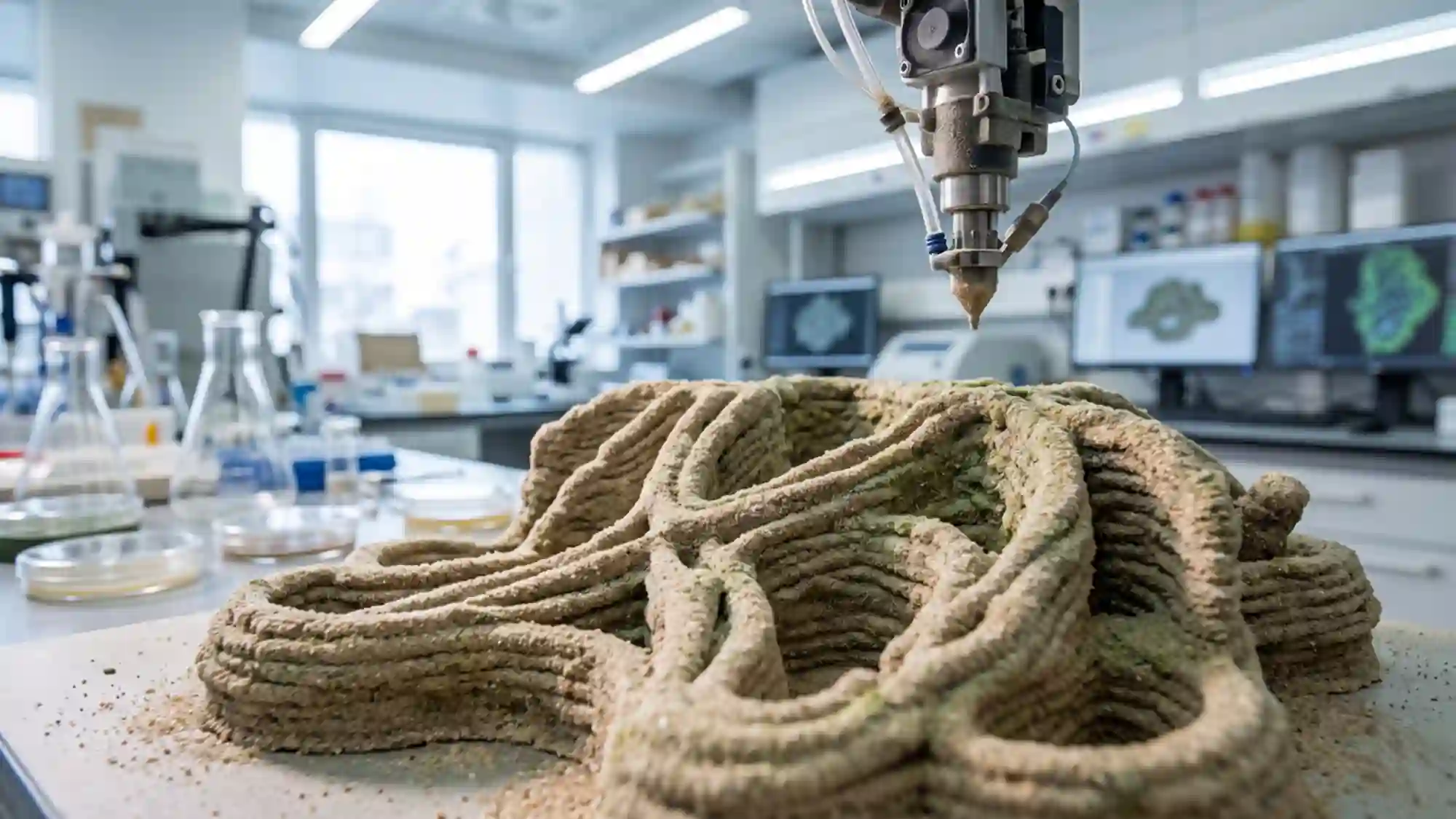
They tested three types of commonly used household doors: wooden, uPVC and composite doors. They installed the doors professionally in a laboratory setup and gradually increased the water depth in increments of five centimetres, reaching a maximum of 60 centimetres. To measure leakage, the team collected and monitored the water that passed through each doorway. They then compared the performance of different protective measures, including sandbags and several types of tape. For the sandbag test, they stacked 54 sandbags and placed plastic sheeting between the bags and the door. For the tape experiments, one person applied the tape to the outside of each door, taking approximately 10–20 minutes per door. The results were striking. Duct tape reduced water leakage by around 97–98% compared with an unprotected door. Specialist synthetic rubber sealing tape performed even better, reducing leakage by approximately 99%. Sandbags were less effective in the tested conditions, achieving a maximum reduction of around 70%. Their performance also varied depending on the water depth.
Why did tape perform better?

The key difference lies in how the two methods prevent water from entering a building. Sandbags create a barrier that slows water movement, but gaps between bags and around the edges can allow water to seep through. Tape works differently. Applied across the exterior of a door, it can seal gaps and joints through which water would otherwise enter. Its effectiveness depends on how well it adheres to the door and frame and how completely the vulnerable areas are covered. Tape also has practical advantages. It is lightweight, easy to store and relatively inexpensive compared with sourcing, transporting and stacking dozens of sandbags. Unlike sandbags exposed to floodwater, used tape does not require the same handling and disposal of potentially contaminated sand.
Is duct tape a reliable flood defence? Not on its own. These experiments measured leakage through specific doorways under controlled laboratory conditions. They do not demonstrate that duct tape can make an entire property flood-proof or withstand every real-world flood. Water can enter through walls, floors, drains, windows and other openings. Adhesion may also vary with surface condition, water pressure and the quality of the seal. Duct tape should therefore be treated as a temporary measure, not a replacement for professionally designed flood doors, barriers or a property-specific flood-resilience plan. The findings nevertheless highlight an important principle: effective flood preparation does not always require expensive equipment. A simple, affordable material may help reduce damage when used appropriately alongside other protective measures. A roll of duct tape cannot stop a flood. But, as these tests suggest, it could help keep a substantial amount of water from crossing one of the most vulnerable points in a home, the front door.
Sources:
Trotter, N. (2026, October 15). Forget sandbags, tape can keep out 99% of flood water. University of Hull. https://www.hull.ac.uk/news-and-events/news/forget-sandbags-tape-can-keep-out-99-of-flood-water