A skin cell becomes a skin cell. A neuron becomes a neuron. A heart muscle cell becomes a heart muscle cell. For a long time, scientists believed that once a cell became specialized, its identity was essentially permanent.
Then researchers discovered something remarkable: a mature cell can be given a new identity.
This ability, known as cellular reprogramming, has fundamentally changed our understanding of cell biology.
Cells have the same DNA but use it differently
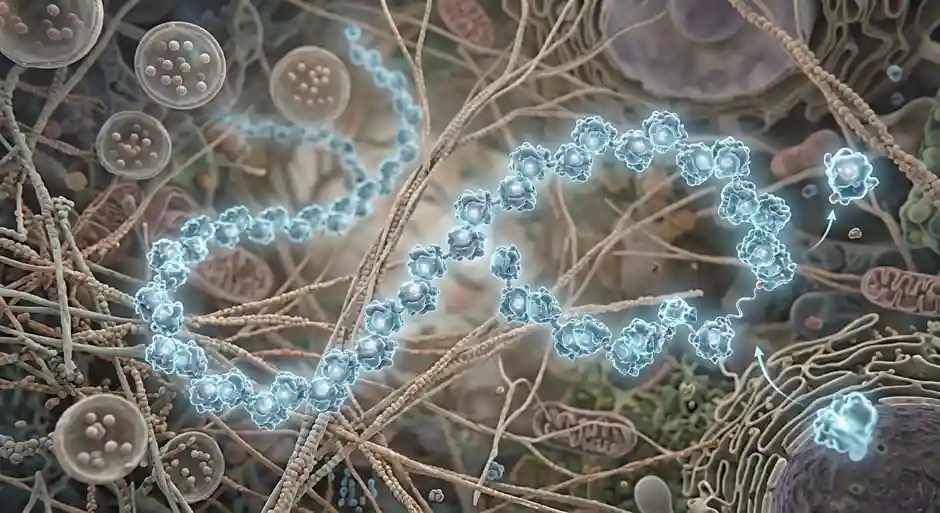
Almost every cell in the human body contains essentially the same genome. What makes a neuron different from a liver cell is largely which genes are switched on or off.
This pattern is controlled by transcription factors, chromatin structure and epigenetic modifications.
If scientists can alter these regulatory programs, they can sometimes change a cell’s identity without changing its underlying DNA sequence.
From skin cells to stem cells
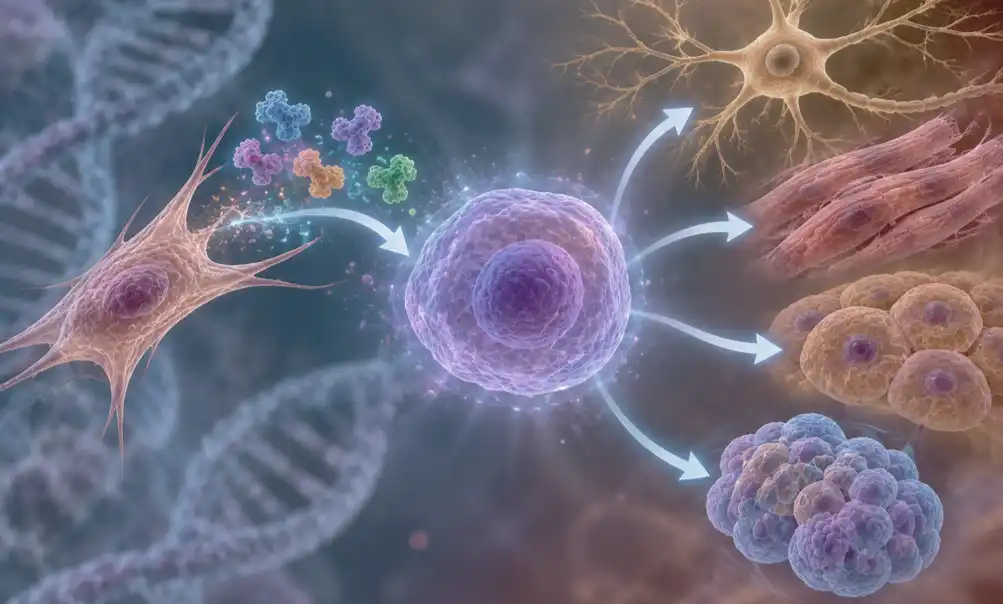
One of the biggest breakthroughs came in 2006, when Shinya Yamanaka and Kazutoshi Takahashi demonstrated that mouse fibroblasts could be converted into induced pluripotent stem cells (iPSCs) by introducing four factors: Oct4, Sox2, Klf4 and c-Myc. These factors effectively reset the cell’s developmental program.
Human cells were subsequently reprogrammed using the same basic principle.
iPSCs can then be directed to produce specialized cells such as neurons, cardiomyocytes or pancreatic cells, creating a potentially powerful source of patient-specific cells for research and regenerative medicine.
Scientists can also skip the stem-cell stage
Even more surprising is direct reprogramming, also called transdifferentiation.
Instead of returning a mature cell to a pluripotent state and then differentiating it again, scientists can directly convert one specialized cell into another.
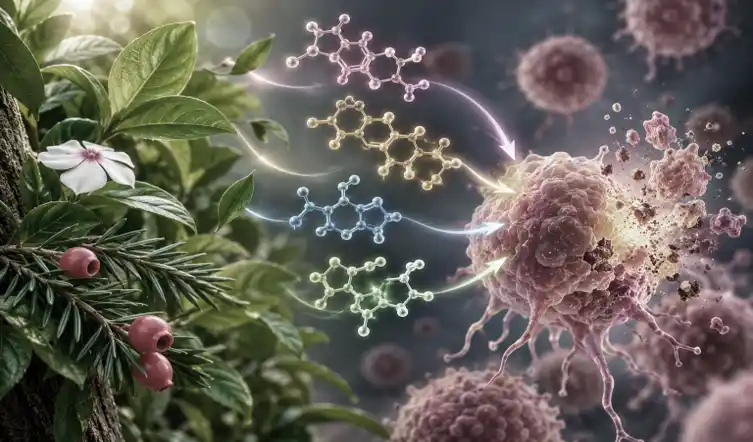
For example, researchers have demonstrated conversions involving fibroblasts and neurons, cardiomyocytes and other cell types. This can occur through combinations of lineage-specific transcription factors, signalling molecules or small chemical compounds.
The cell essentially receives a new set of molecular instructions.
Could this repair damaged organs?
This is where the technology becomes particularly exciting.
If a patient’s own cells could be converted into the type of cells destroyed by disease, researchers might eventually be able to regenerate damaged tissues without relying entirely on donor organs.
Scientists are investigating reprogramming strategies for conditions involving the brain, heart, pancreas and other tissues.
But major challenges remain. Reprogramming efficiency can be low, converted cells may not fully mature, and incomplete or abnormal reprogramming could create safety problems. Researchers must also prove that newly generated cells function correctly and integrate safely into existing tissues.
So scientists cannot yet turn any cell into any other cell on demand.
But the discovery has fundamentally changed one assumption in biology:
A cell’s identity may be remarkably flexible.
The future of regenerative medicine may therefore depend not only on finding new cells but on learning how to rewrite the instructions that tell existing cells what to become.
Sources