A drug originally inspired by HIV treatment has produced an unexpected result: it helped damaged nerves recover in mice with an experimental form of multiple sclerosis.
The compound, called kamuvudine-9 (K-9), was developed from a class of antiviral drugs known as nucleoside reverse transcriptase inhibitors, or NRTIs. But researchers removed the part of the molecule responsible for antiviral activity and retained a completely different property its ability to suppress a damaging inflammatory pathway.
The target isn’t HIV….

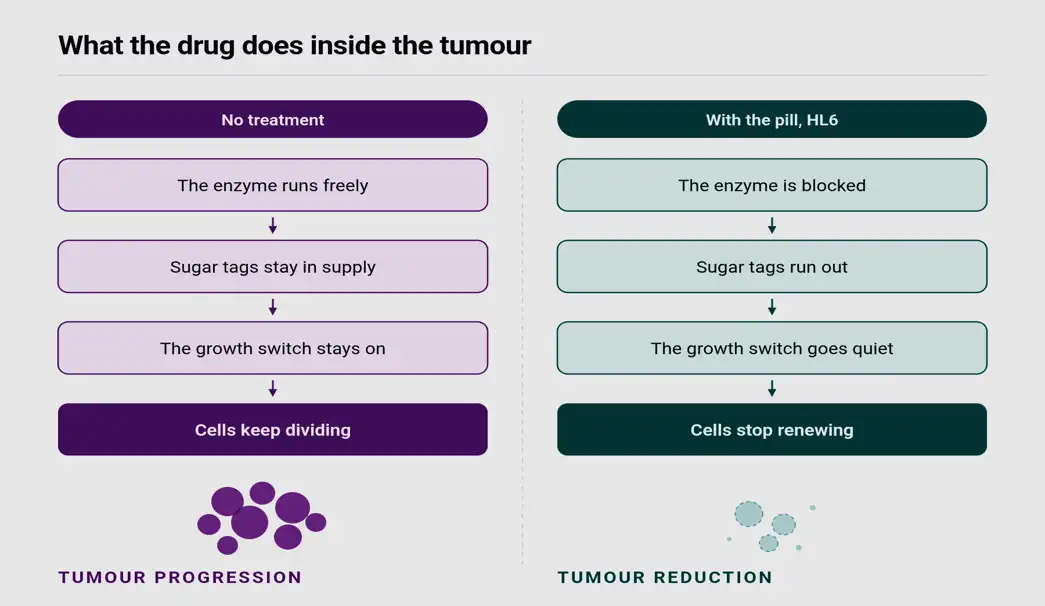
The key target is a molecular alarm system called the inflammasome.
Inflammasomes are protein complexes involved in the innate immune response. When activated appropriately, they help cells respond to danger. But excessive activation can trigger inflammatory processes and cell death.
In diseases affecting the nervous system, uncontrolled inflammasome activity may contribute to damage to neurons and their axons the long structures that carry electrical signals through the nervous system.
Researchers at the University of Virginia therefore asked a surprising question: could shutting down this pathway protect already-damaged nerve tissue?
What happened in mice?
The researchers induced an MS-like disease in mice and waited until the animals developed visible neurological symptoms, including motor impairment and vision problems.

They then treated the animals with K-9.
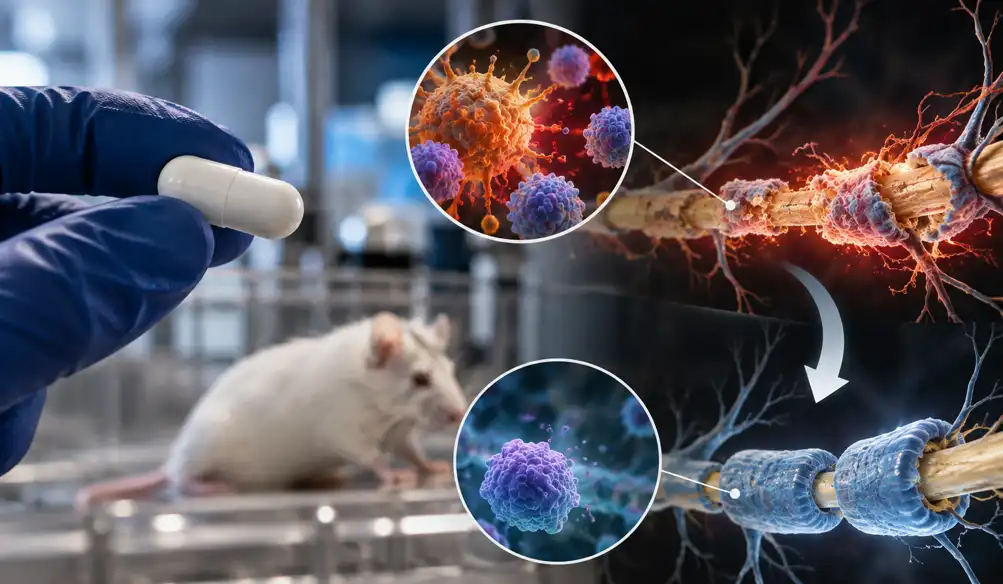
Rather than simply preventing further deterioration, the researchers reported that treated mice recovered from pre-existing paralysis and vision loss. Examination of the nervous system suggested that K-9 protected axons and their insulating myelin sheaths from degeneration. Blood levels of neurofilament light chain, a biomarker associated with nerve damage, were also reduced.
The drug appeared to suppress two separate pathways of inflammasome activation, providing a possible explanation for its protective effects.
What about humans?
There is an intriguing clue.
Researchers analysed healthcare data from more than three million people and found that people receiving NRTI medications for HIV or hepatitis B had lower rates of multiple sclerosis and fewer subsequent relapses than people who were not receiving these drugs. However, this was an observational analysis, so it cannot establish that the medications caused the reduced risk.
And K-9 itself has not yet been demonstrated to repair nerves in humans.
That distinction matters. Mouse models of MS can reveal important biological mechanisms, but treatments that work in mice do not necessarily produce the same effects in patients.
Why is the discovery important?
Most current MS treatments primarily focus on controlling the abnormal immune response that attacks the nervous system. K-9 represents a different strategy: protect the nervous system from the downstream inflammatory machinery that causes cellular damage.
If future human trials confirm these findings, the approach could potentially move beyond preventing new damage toward protecting or restoring neural function after damage has already occurred.
For now, however, the drug remains experimental.
The remarkable part is not that an HIV drug has suddenly become a nerve-repair medicine.
It is that scientists may have discovered that a molecule originally associated with antiviral therapy can be redesigned to target one of the body’s own mechanisms of neurological damage.