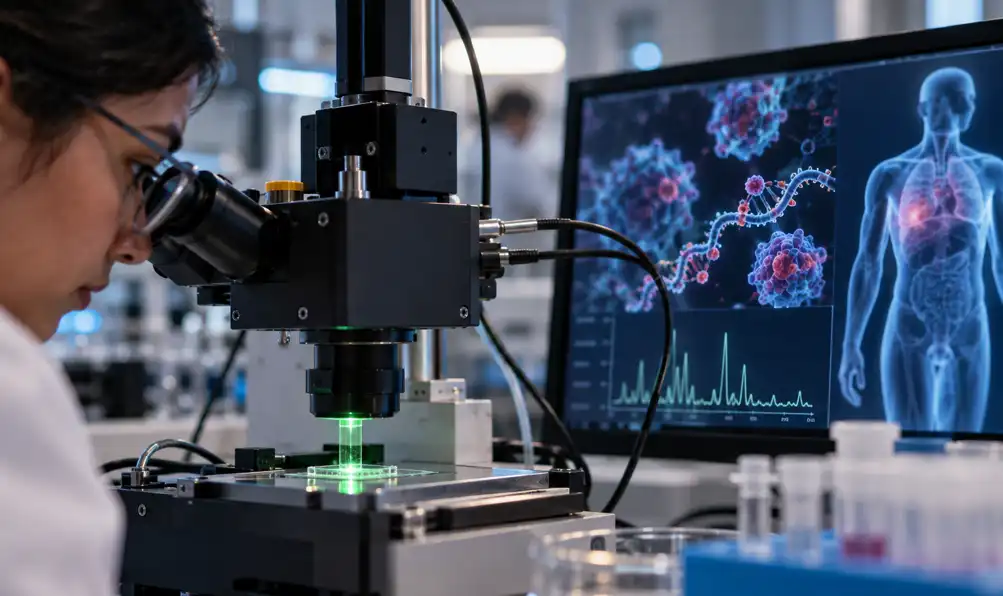
What if a diagnostic test could detect the molecular fingerprints of disease before the body produced noticeable symptoms? That possibility is driving research into quantum sensors devices that exploit quantum properties of matter to measure extremely weak biological signals.
Unlike conventional sensors, quantum sensors can detect tiny changes in magnetic fields, light, temperature or molecular interactions. Two important platforms are nitrogen-vacancy (NV) centres in diamond and quantum dots. Their extraordinary sensitivity could eventually allow researchers to detect disease-associated molecules when they are present at extremely low concentrations.
One particularly interesting approach uses NV centres atomic-scale defects inside diamond that behave like highly sensitive quantum sensors. Researchers have demonstrated that these centres can detect molecular signals associated with microRNAs, small RNA molecules that can act as biomarkers of cancer and other diseases. In a 2024 study, NV centres detected magnetic changes produced when microRNAs interacted with nearby molecules, demonstrating a potential route toward highly sensitive, label-free biomarker detection.
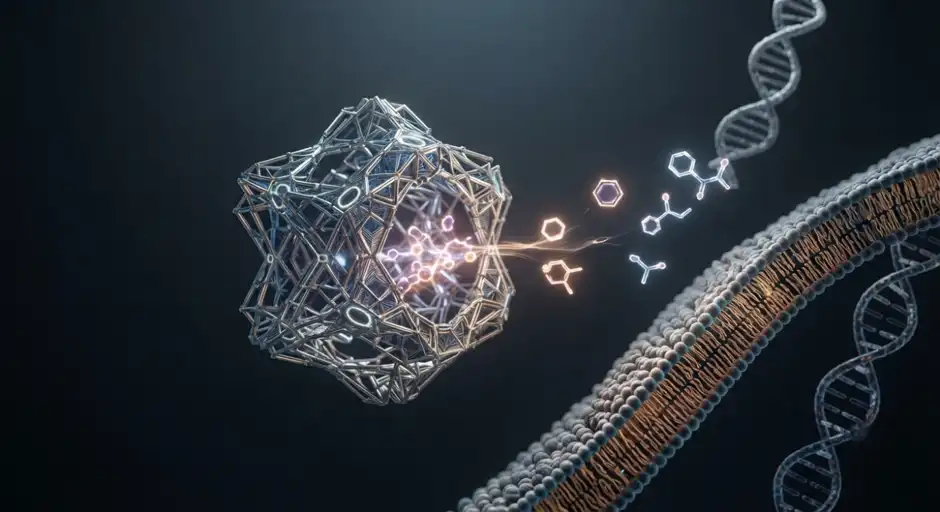
The technology is becoming even more sophisticated. In 2026, researchers developed a quantum-enabled microfiltration immunoassay using fluorescent nanodiamonds containing NV centres. The system detected clinically relevant biomarkers including C-reactive protein and interleukin-6 at concentrations below 100 femtomolar, with measurements completed within about an hour. Because the method can be incorporated into conventional laboratory workflows, it illustrates how quantum sensing could potentially move beyond specialized physics laboratories.
Other researchers are combining quantum sensing with nanotechnology to detect multiple cancer-associated molecules simultaneously. A 2025 study used NV-centre nanodiamonds to measure three microRNAs at femtomolar concentrations, demonstrating the potential for multiplexed cancer biomarker detection.
However, extreme sensitivity does not automatically mean early diagnosis. A sensor must demonstrate that its measurements are accurate in real patient samples, distinguish disease from normal biological variation, and improve clinical outcomes. Many quantum biomedical technologies are still at the laboratory or early feasibility stage, and researchers emphasize the need for larger clinical validation studies.
The future could therefore involve diagnostic platforms capable of detecting molecular changes long before conventional symptoms become obvious. Quantum sensors are not yet routine tools for predicting disease, but their ability to measure extraordinarily small biological signals makes them one of the more intriguing technologies being explored for earlier, more sensitive and potentially more personalized diagnosis.
Sources: