Most cells in the human body have a built-in answer to severe damage: die. Through a controlled process called apoptosis, damaged or unnecessary cells can be removed without causing widespread inflammation. But some cells take a different path. They stop dividing, yet remain alive and metabolically active. This state is known as cellular senescence and it may be one of biology’s most complicated survival strategies.
Senescent cells can arise when cells experience DNA damage, oxidative stress, oncogene activation, radiation or other forms of cellular stress. Instead of continuing to divide, they enter a durable state of cell-cycle arrest. This can be beneficial because it prevents damaged cells from multiplying and potentially becoming cancerous. Senescence therefore acts as an important biological barrier against tumor formation.
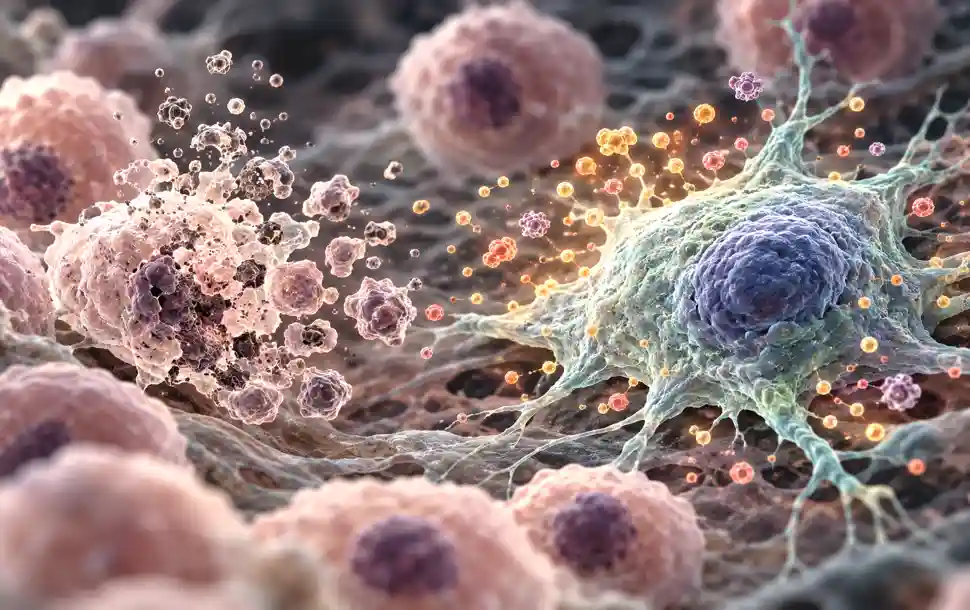
But senescence is not the same as cellular death. A senescent cell can remain metabolically active for a long time. It may also become unusually resistant to apoptosis by increasing pro-survival pathways, including members of the BCL-2 protein family. In other words, the cell has stopped proliferating but has not necessarily accepted the signal to die. This resistance is one reason scientists describe senescent cells as cells that can “refuse” to die.

The problem begins when these cells accumulate. Senescent cells can release a collection of inflammatory molecules, growth factors and other signals known as the senescence-associated secretory phenotype (SASP). These substances can influence neighboring cells and the surrounding tissue. Depending on the biological context, this can contribute to inflammation, tissue dysfunction, fibrosis and changes in the tumor microenvironment.
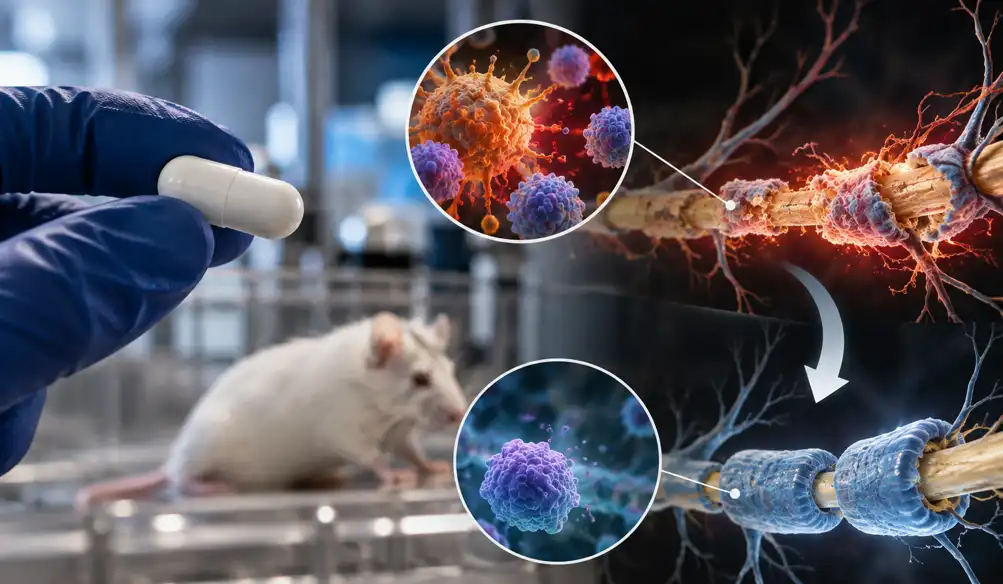
Cancer makes the story even more complicated. Cancer treatments such as chemotherapy and radiation can push tumor cells into senescence rather than immediately killing them. This can initially prevent cancer cells from multiplying. However, if senescent cells persist or escape their growth arrest, they may contribute to treatment resistance or disease recurrence. Recent research therefore explores senolytics drugs designed to selectively eliminate senescent cells while researchers also investigate ways to control their secretory behavior.
The emerging picture is not simply that senescent cells are “bad.” Senescence can suppress tumors, participate in tissue repair and influence immune surveillance, while persistent senescence can become harmful. A 2026 Cell review emphasizes that senescence is a highly heterogeneous biological state whose consequences depend on the cell type, tissue and stimulus involved.
The real question, therefore, may not be how to make every damaged cell die, but how to determine which cells should survive, which should be removed, and when. Understanding that decision could eventually lead to therapies that manipulate cellular survival without disrupting the protective functions of senescence.