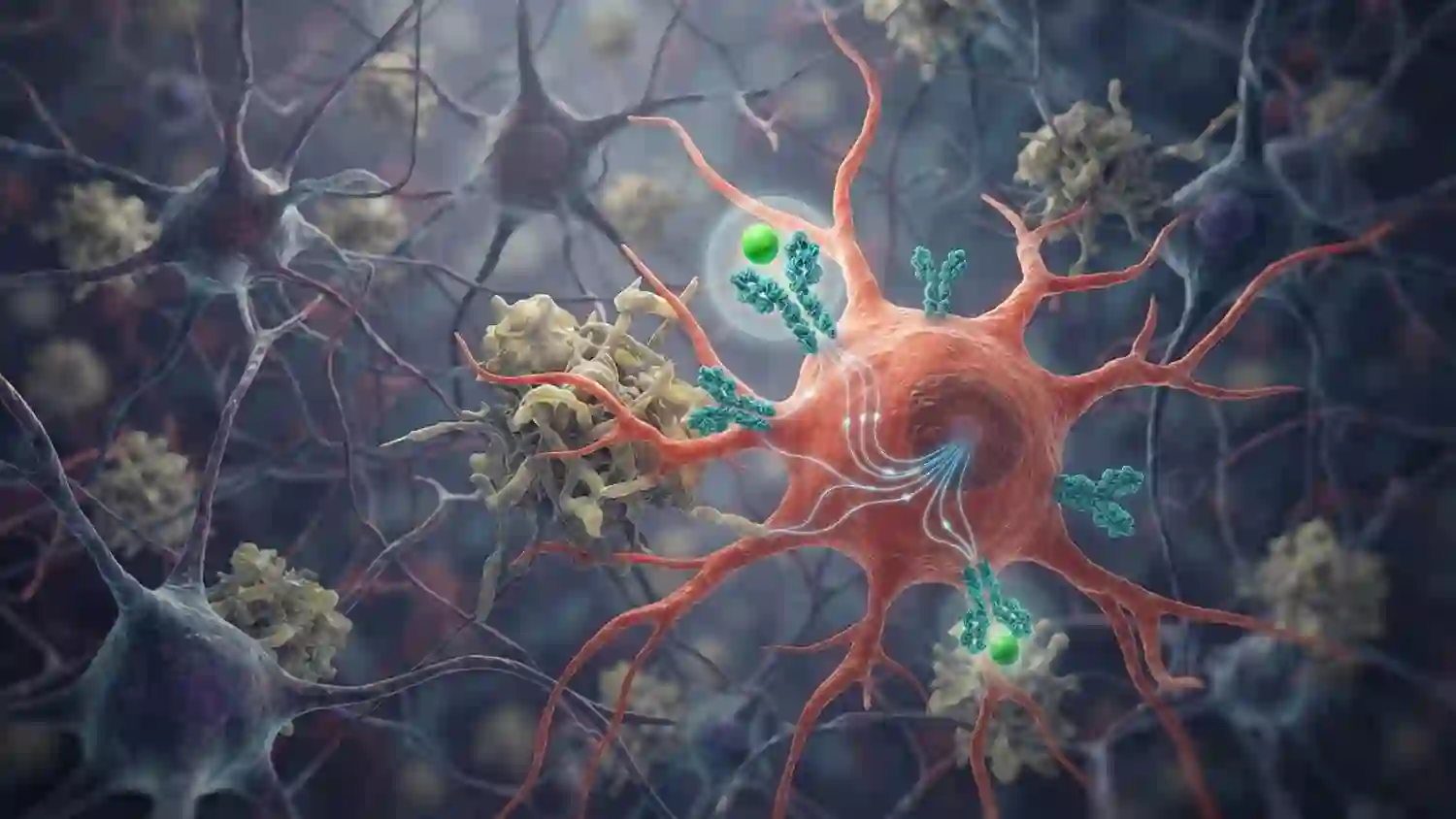
Inflammation is part of the brain’s defence system. But when that response stays switched on, it can become damaging. This is one reason scientists are increasingly interested in neuroinflammation in conditions such as Alzheimer’s disease. Now, researchers at the University of Birmingham have identified a receptor that appears to help trigger this inflammatory response and, importantly, they tested it using living human brain tissue removed during neurosurgery.
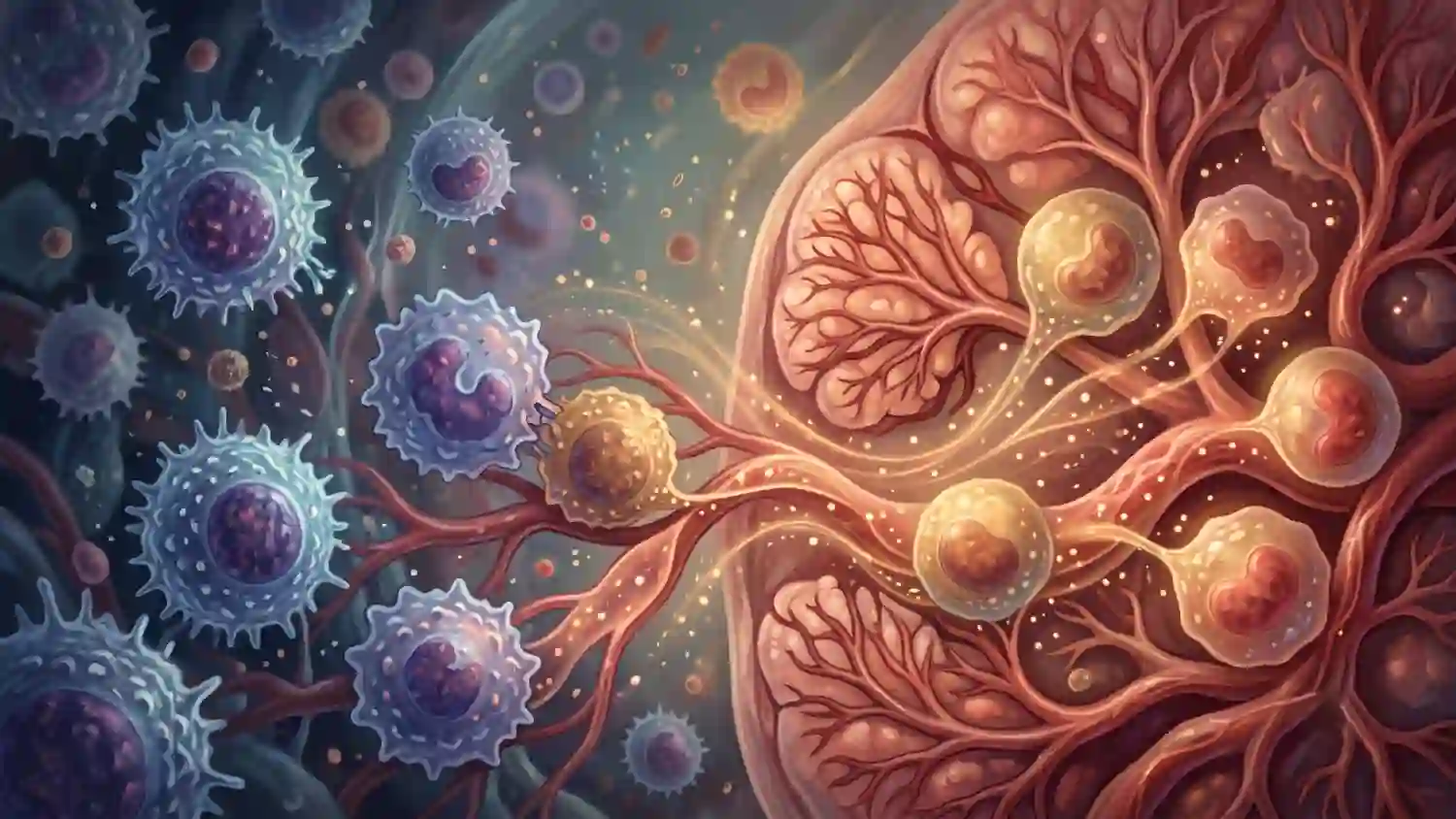
The receptor is called P2X7. It sits on the surface of cells involved in the brain’s immune response, including microglia, the brain’s resident immune cells. When these cells detect signs of damage or stress, they can release inflammatory molecules called cytokines. The researchers were particularly interested in one of them, IL-1β, because excessive release of inflammatory cytokines can contribute to damage in the brain. They first studied human microglia-like cells made from blood-derived monocytes, then moved to slices of human brain tissue collected during neurosurgical procedures.
The experiments showed that activating P2X7 increased the release of inflammatory cytokines. But when the researchers blocked the receptor using P2X7 antagonists, the inflammatory response was substantially reduced in the human brain tissue. That is an important step because much of what scientists know about neuroinflammation comes from animal models or isolated cells. Human brain tissue provides a much closer look at what actually happens in the human nervous system. There is also a potential practical advantage. Some P2X7-blocking drugs have already been developed and can cross the blood–brain barrier, the protective system that controls which substances can enter brain tissue from the bloodstream. That raises the possibility of repurposing existing drug candidates rather than starting from scratch.

But this is still a long way from Alzheimer’s treatment.
The researchers have shown that blocking P2X7 can suppress an inflammatory response in human brain tissue in the laboratory. They have not shown that doing so prevents Alzheimer’s disease or improves memory in patients. The next step is to determine whether targeting this pathway can actually reduce brain damage in people with neurodegenerative or other inflammatory brain conditions. For now, the study offers something valuable: a potential drug target tested not just in a model of the human brain, but in human brain tissue itself.
| Sources: 1. Cowley, J., et al. (2026). P2X7R-mediated IL-1β release by human brain tissue: The impact of CNS-penetrant potential therapeutics. Brain. 2. University of Birmingham. (2026, October 5). Brain cell study identifies new drug target to treat Alzheimer’s disease. |