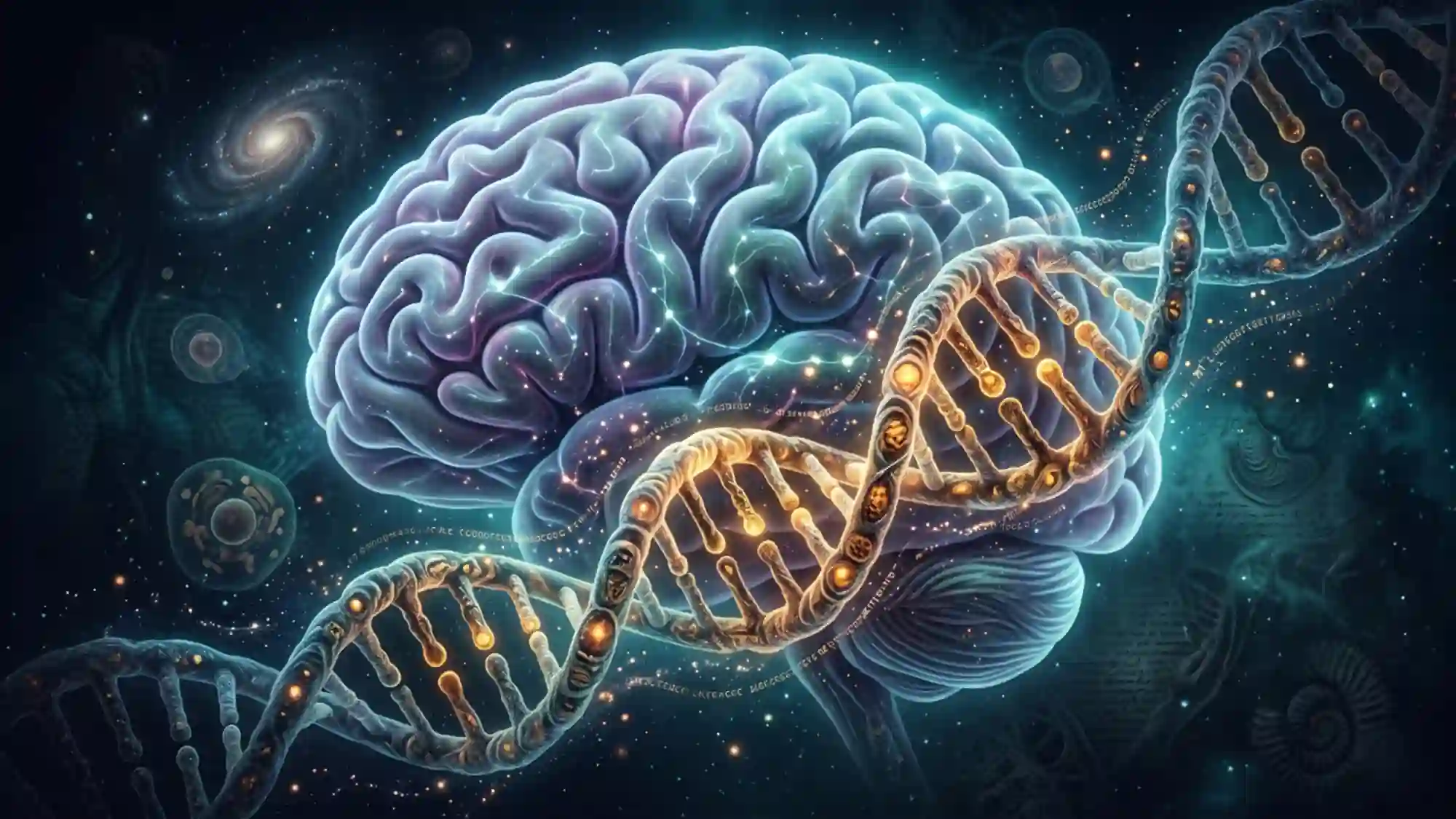
Imagine bacteria that can detect a chemical, process information, make a decision and respond to their surroundings almost like tiny biological computers. This is no longer just science fiction. Through a field called synthetic biology, scientists are learning to programme microorganisms by redesigning their DNA and building genetic circuits that control how they behave.
How Are Bacteria Programmed?
In computer systems, software uses instructions to control hardware. In bacteria, DNA acts as an instruction manual, containing genes that determine which proteins a cell produces and when.
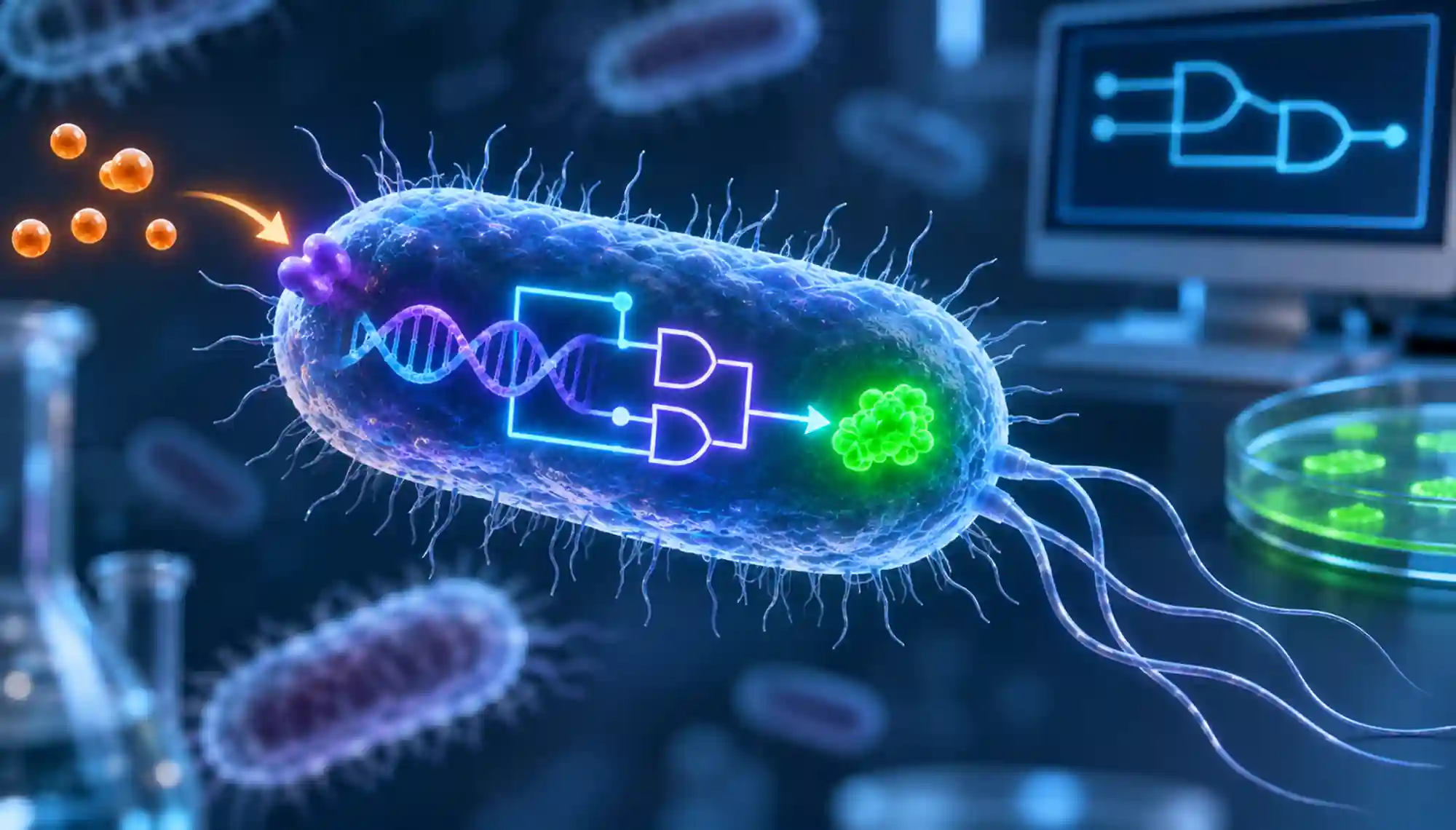
Scientists can introduce carefully designed DNA sequences containing promoters, genes and regulatory elements. These components work together as genetic circuits, allowing bacteria to respond to specific signals and perform predetermined functions.
For example, a bacterial cell can be engineered to detect a particular chemical and activate a gene only when that substance is present. The chemical acts as an input, while the production of a protein becomes the output.
Researchers have also developed biological versions of computer logic gates. An AND gate activates a response only when two specific signals are detected, whereas an OR gate responds when either signal is present.
Building Biological Computers
One of the earliest demonstrations of this concept came in 2000, when researchers developed a genetic toggle switch in Escherichia coli. This circuit allowed bacteria to switch between two stable genetic states in response to external signals.
Another landmark development was the repressilator, a synthetic genetic circuit designed to produce regular oscillations in gene activity. These experiments demonstrated that biological systems could be engineered to display predictable, computer-like behaviour.
In 2016, researchers introduced Cello, a software platform that translates computer-style instructions into DNA sequences. Using this approach, scientists designed genetic circuits that performed logic operations inside bacterial cells, demonstrating how biological programming could become more automated.
What Could Programmable Bacteria Do?
Programmable bacteria could have applications in medicine, environmental monitoring and industrial biotechnology. Engineered microorganisms may be designed to detect disease-related molecules, release therapeutic substances in response to specific signals, identify environmental pollutants or manufacture useful chemicals.
However, programming living cells is considerably more complicated than writing conventional software. Genetic circuits can behave unpredictably because of cellular noise, mutations, differences in growth conditions and interactions with natural biological processes.
Scientists must also develop reliable containment systems to prevent engineered microorganisms from spreading beyond their intended environments.
Although challenges remain, synthetic biology is bringing biology and computer engineering closer together. By treating DNA as programmable information, researchers are exploring a future in which microorganisms could function as microscopic sensors, manufacturers and even biological computing systems.
Can Bacteria Be Programmed Like Computer Code?
Scientists use synthetic biology to reprogram bacterial DNA into genetic circuits, including biological logic gates like AND and OR, so microbes can sense signals and respond in predictable, computer-like ways. This could power medical, environmental and industrial applications, though unpredictable circuit behaviour and the need for reliable containment remain major challenges.