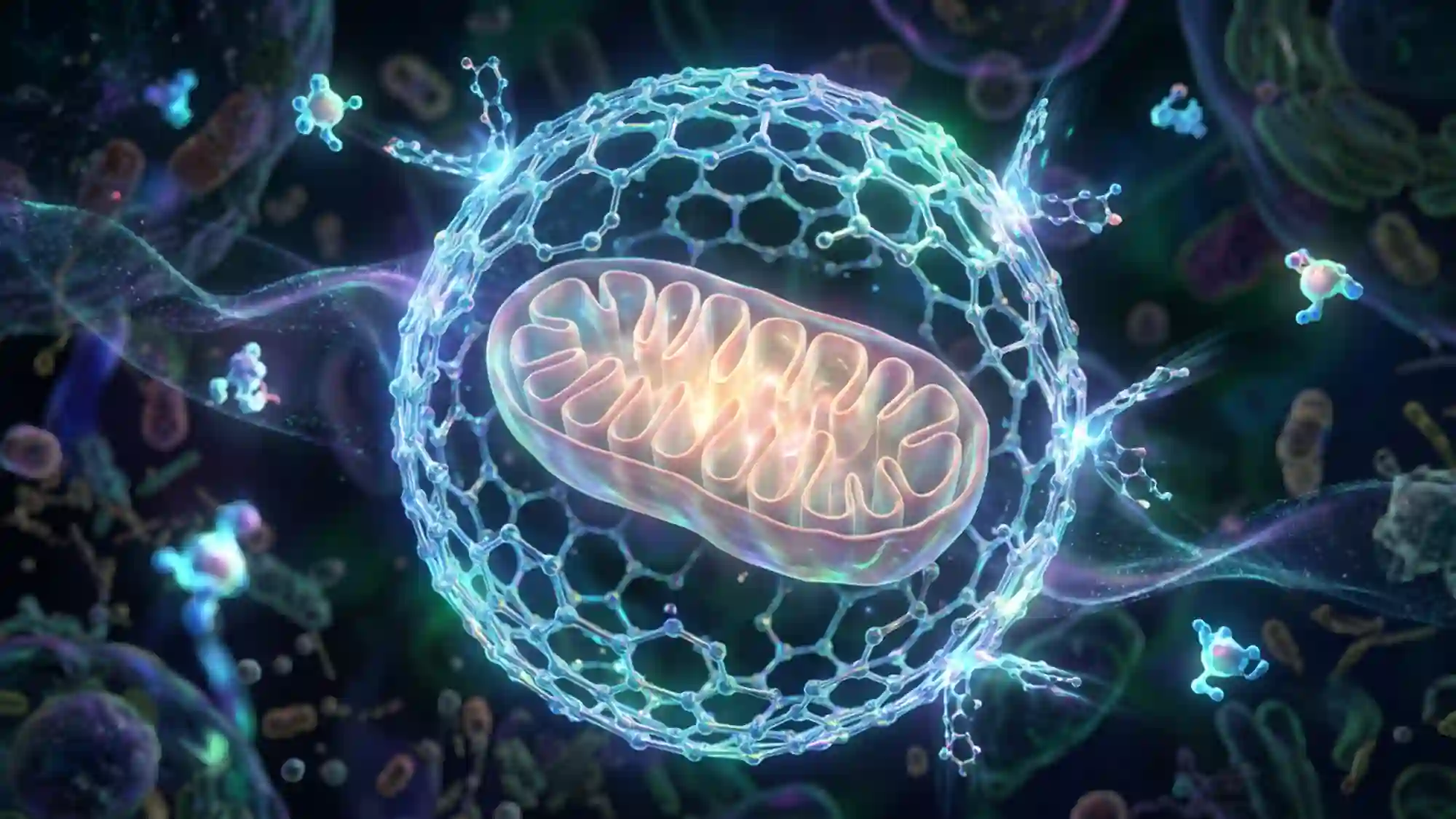
People with type 2 diabetes are often told to exercise because it helps the body use insulin more effectively. But what actually changes inside muscle cells when someone exercises? Scientists may have found part of the answer in an unexpected place: a protein located on the surface of mitochondria, the energy-producing structures inside cells. A study published in Nature Communications on October 19, 2026, identified a protein called Miro1 as a potential contributor to insulin resistance in skeletal muscle. Researchers found that Miro1 accumulates in the muscles of people with type 2 diabetes, while aerobic exercise reduces its levels alongside improvements in insulin sensitivity.
What is Miro1, and why does it matter?
Miro1, short for mitochondrial Rho GTPase 1, is a protein located on the outer membrane of mitochondria. It is involved in regulating mitochondrial movement, positioning and interactions with other cellular components. Skeletal muscle plays a major role in controlling blood glucose because it absorbs a substantial amount of circulating glucose in response to insulin. In people with insulin resistance, muscle cells become less responsive to this hormone, making it harder for glucose to move from the bloodstream into tissues. The research team examined muscle samples from people with different metabolic conditions and found that Miro1 levels were particularly elevated in individuals with obesity and type 2 diabetes. Similar patterns were observed in mouse models of the disease.

How could Miro1 interfere with insulin?
Under normal conditions, insulin activates a signalling protein called AKT, which helps regulate glucose uptake by promoting the movement of glucose transporter 4 (GLUT4) to the cell membrane. This allows muscle cells to take up glucose from the blood. They discovered that insulin also promotes an interaction between AKT and Miro1 at the mitochondrial membrane. This interaction helps regulate Miro1 levels. In insulin-resistant muscle, the signalling process becomes impaired, allowing Miro1 to accumulate. To investigate whether this accumulation directly affects insulin responsiveness, scientists reduced or removed Miro1 in muscle cells and preclinical mouse models. This improved mitochondrial energy production, enhanced insulin signalling, and increased GLUT4 movement to the cell membrane, allowing cells to take up glucose more effectively. The team also investigated Miro1 in people with obesity and type 2 diabetes through a randomised controlled trial. Participants were assigned either to 12 weeks of aerobic exercise training or to standard medical care. Those who underwent supervised exercise showed reduced Miro1 levels in their skeletal muscles. This change occurred alongside improved insulin sensitivity and greater mitochondrial energy-producing capacity. These findings provide a possible molecular explanation for some of the metabolic benefits of exercise: it may help restore mitochondrial function while reducing the accumulation of a protein associated with impaired insulin action.
Could Miro1 become a treatment target? The discovery identifies Miro1 as a potential therapeutic target, but it is still early research. Although reducing the protein improved insulin responsiveness in cells and mice, this does not yet establish that directly targeting Miro1 would be safe or effective in people. Further studies are also needed to understand how Miro1 accumulation develops as insulin resistance progresses. For now, the findings reveal an important connection between mitochondrial function and blood sugar regulation. They also offer another explanation for why exercise remains a valuable part of type 2 diabetes management and point to a molecular pathway researchers may investigate when developing future treatments.