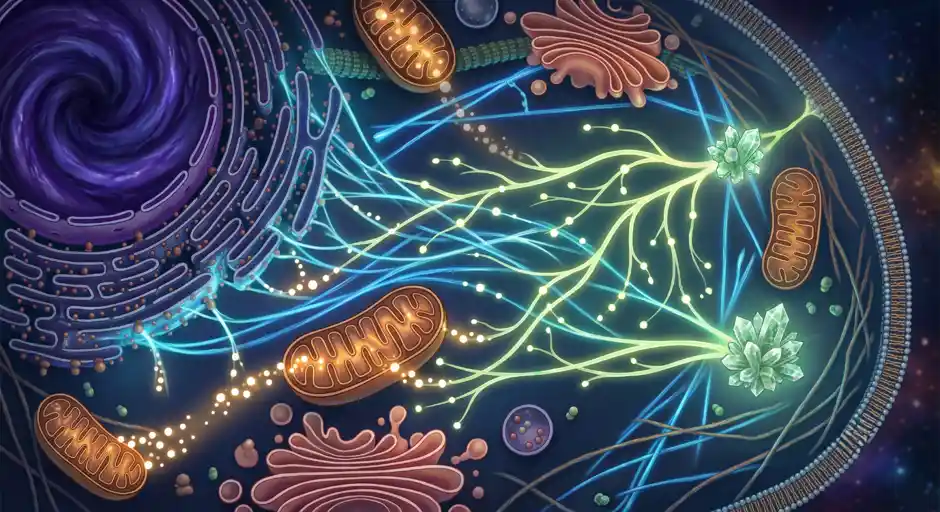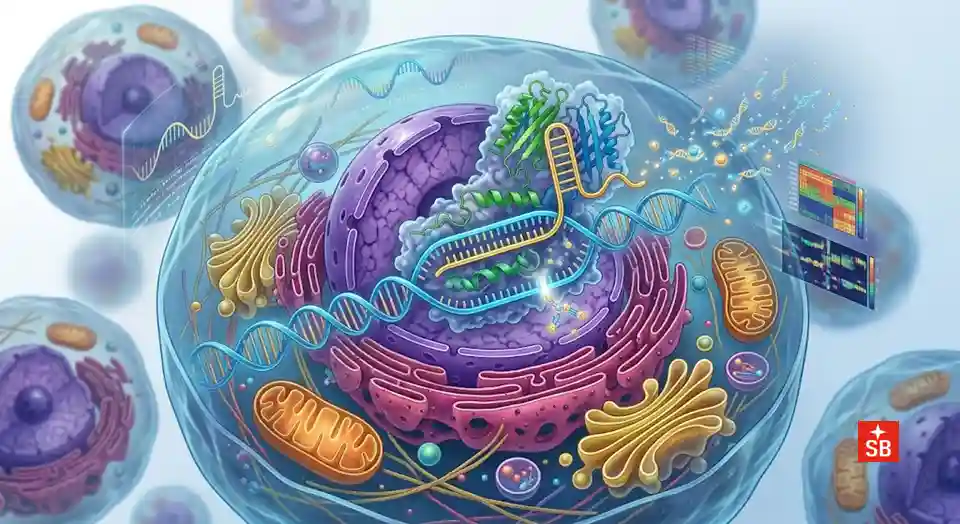
A cell is much like a person. Knowing its name is helpful, but knowing where it lives tells a much bigger story. A teacher belongs in a classroom, a pilot belongs in a cockpit, and a heart cell belongs in the heart. In the same way, the location of a cell inside the body shapes how it behaves and communicates with its neighbours. Scientists have now developed a powerful technology called SPAC-seq that acts like a GPS for cells. Instead of looking only at a cell’s genes, it also reveals exactly where the cell is located inside living tissue. As the old proverb says, “Location is everything.” This remarkable tool is opening a new window into the hidden world of cells.
For many years, researchers have used CRISPR technology to switch genes on or off and study their functions. Combined with single cell sequencing, this approach allows scientists to examine thousands of cells at the same time. However, there was one major problem. To study these cells, tissues had to be broken apart. It was like taking apart a completed jigsaw puzzle and then trying to understand the original picture. “We could see the pieces, but not the whole story,” researchers explained. Without knowing where each cell originally lived, many important biological interactions remained hidden.
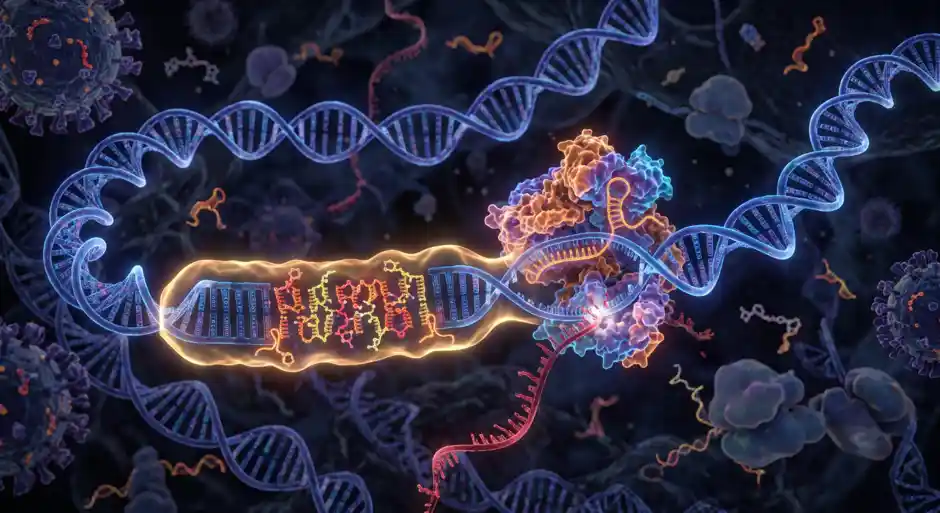
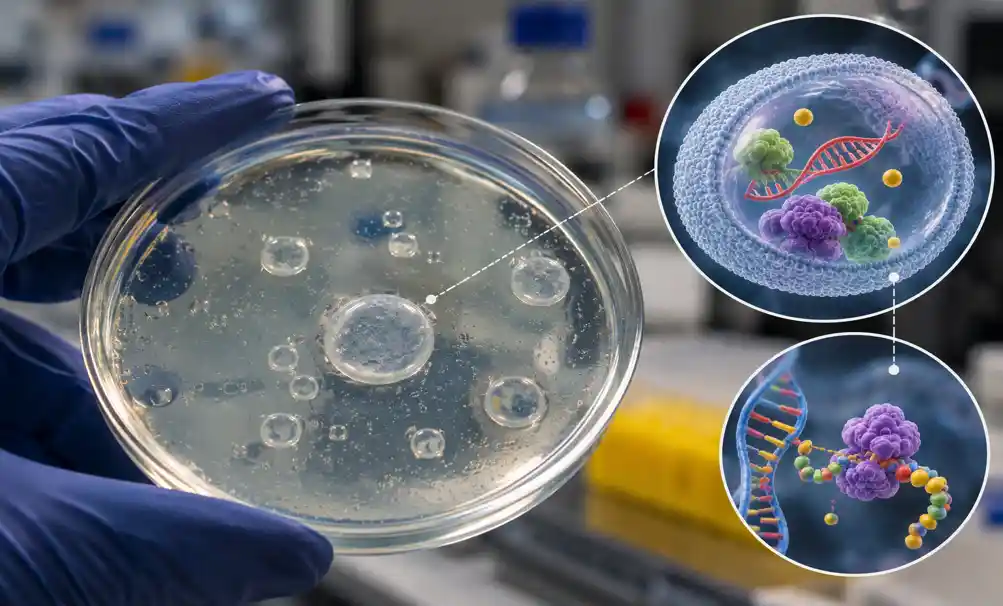
To overcome this challenge, scientists developed Spatial CRISPR Screen Sequencing, known as SPAC-seq. This innovative platform combines CRISPR screening with whole transcriptome sequencing while preserving the natural positions of cells inside tissues. Alongside SPAC-seq, researchers also introduced TARDIS, a statistical toolkit that analyses how genetic changes influence cellular behaviour within tissue space. Together, these technologies create a detailed biological map, linking gene perturbations, gene expression, cell identity, and spatial organization. It is like combining a satellite navigation system with a detailed city map to understand not only who lives in a neighbourhood, but also how everyone interacts with each other.

In an early demonstration, SPAC-seq detected more than 1,000 single guide RNAs within a single tissue section while simultaneously analysing the complete transcriptome of thousands of cells. This achievement is like reading every page of a giant library while also knowing exactly where every book is placed on the shelves. By preserving spatial information, SPAC-seq uncovers biological patterns that traditional CRISPR screens simply cannot detect. It proves that sometimes where a cell stands matters just as much as what its genes are saying.
Scientists first applied SPAC-seq to study how cancer spreads during the earliest stages of metastasis. As tumour cells enter new tissues, they form organized colonies while constantly interacting with immune cells and their surrounding environment. Using SPAC-seq, researchers discovered that genetic changes influence local immune responses, cell neighbourhoods, and communication between different cell types. One important finding identified ICAM1 as a key regulator that helps the immune system recognize and monitor newly forming metastatic tumours. It was like discovering a vigilant security guard protecting a growing city from unwanted intruders.
The researchers also investigated how T cells behave inside tumours. These powerful immune cells are the body’s frontline soldiers against cancer, but their effectiveness depends on where they are positioned. SPAC-seq revealed that many genetic changes altered both the location and activity of T cells within the tumour microenvironment. Most importantly, scientists identified a CD44 and SPP1 interaction that guides CD8 positive T cells through communication with immunosuppressive macrophages. This molecular pathway acts like a traffic signal, directing immune cells towards or away from cancer cells and influencing how effectively they can attack the tumour.
The future of SPAC-seq reaches far beyond cancer research. Scientists expect to combine it with spatial epigenetics, spatial proteomics, spatial metabolomics, and other advanced multi omics technologies to study brain development, tissue regeneration, organ formation, immune diseases, and responses to new therapies. This integrated approach will allow researchers to understand not only which genes are active, but also how cells move, organize themselves, communicate, and cooperate inside complex tissues. As the timeless saying reminds us, “The whole is greater than the sum of its parts.” By placing every cell back into its natural neighbourhood, SPAC-seq is transforming functional genomics from studying isolated cells into understanding the complete living landscape of life itself.
Source: Zhang, H. Bringing CRISPR screens into tissue space. Nat Rev Mol Cell Biol (2026). https://doi.org/10.1038/s41580-026-01006-7