Have you ever watched a movie or web series and later felt as if it had stepped out of the screen into real life? That was my experience with The Last Ship. Years before the world heard the word COVID-19, this Hollywood series painted a frightening picture of a deadly virus spreading across the globe. At that time, it looked like thrilling fiction. Later, it felt like yesterday’s weather forecast coming true. Sometimes, stories become mirrors that quietly reflect tomorrow. As the old saying goes, “Truth is stranger than fiction.”
In the summer of 2014, audiences watched The Last Ship, a science fiction drama about a mysterious airborne virus that pushed humanity to the edge of collapse. Five years later, COVID-19 transformed that fictional nightmare into everyday reality. The similarities were impossible to ignore. Empty streets, fearful faces, overwhelmed hospitals, travel restrictions, and desperate searches for medicines became part of our daily lives. It was almost as if the television screen whispered, “I warned you.” While the series was written for entertainment, it unexpectedly highlighted how vulnerable modern civilization can be when faced with an invisible enemy.
“The greatest shield against tomorrow’s pandemics is today’s preparedness.”
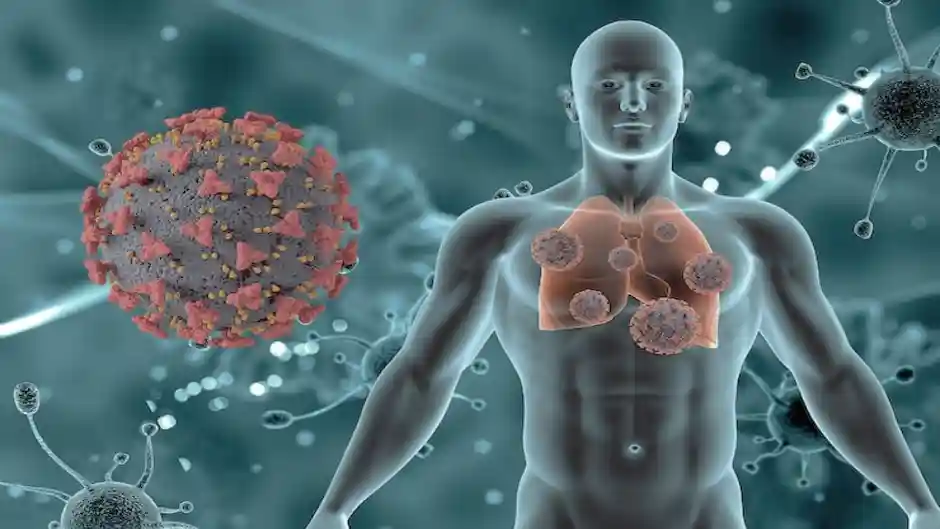
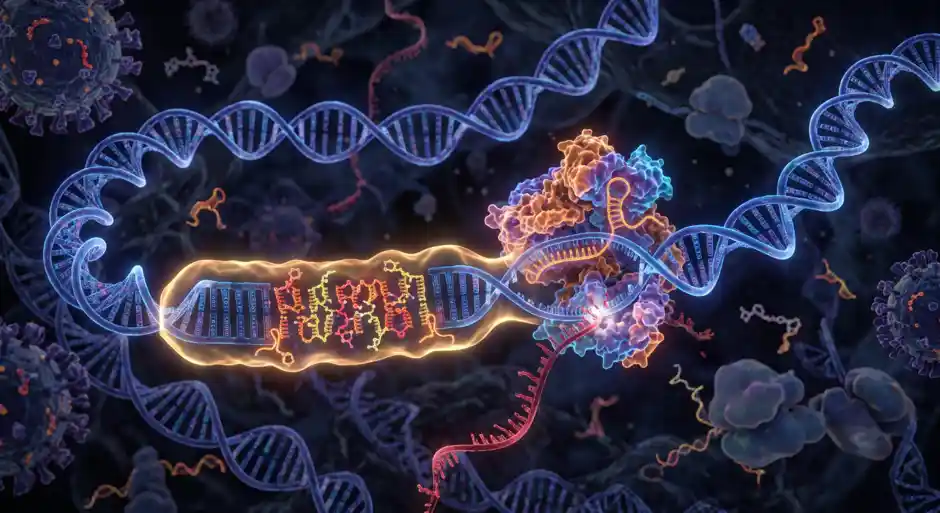
One of the most striking similarities was how both the fictional virus and COVID-19 spread through ordinary human contact. In The Last Ship, the “Red Flu” travelled silently through the air, making every handshake, hug, and conversation a possible danger. During the COVID-19 pandemic, people across the world experienced the same fear. Masks became new companions, hand sanitizers became pocket guardians, and social distancing entered everyday language. Human connection, once a symbol of warmth, suddenly carried uncertainty. The invisible virus became a silent hunter, reminding everyone that even the smallest droplets could carry enormous consequences.
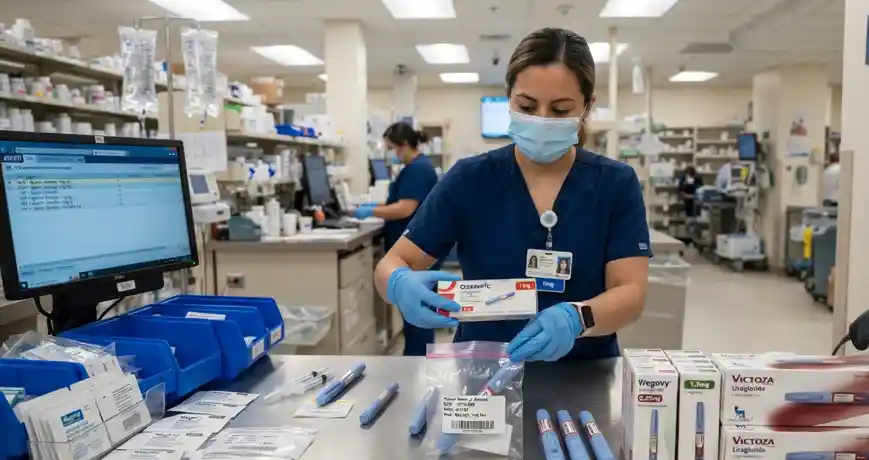
The series also reflected another reality, fear can spread faster than a virus. As panic grew, countries closed borders, competed for medical supplies, and struggled to protect their own citizens. During the real pandemic, many nations faced shortages of masks, oxygen, medicines, and vaccines. Scientists call this crisis management under limited resources, while the public simply called it survival. The irony was clear. Humanity had reached incredible scientific heights, yet one microscopic virus brought the entire world to a standstill.
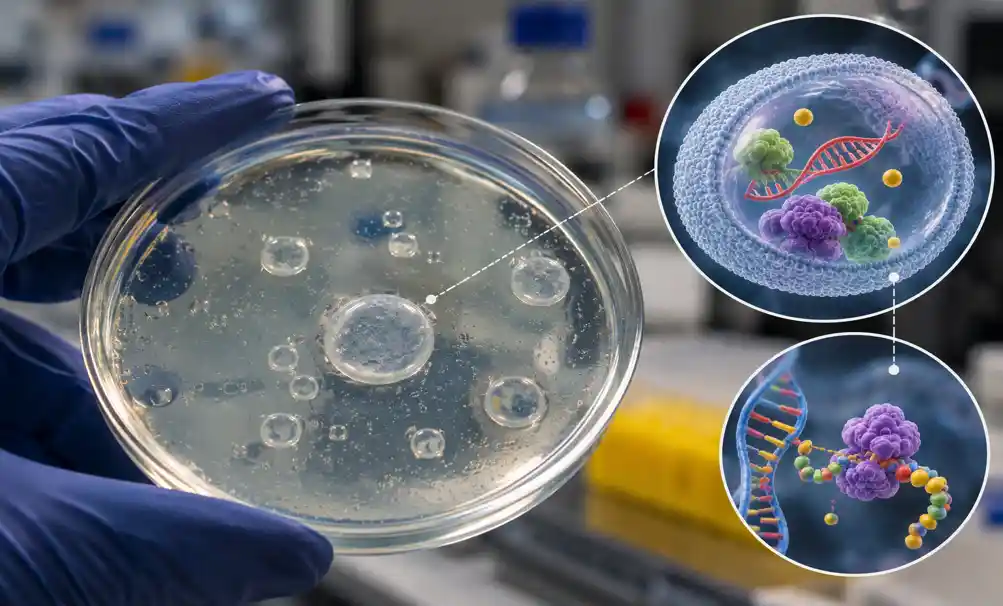
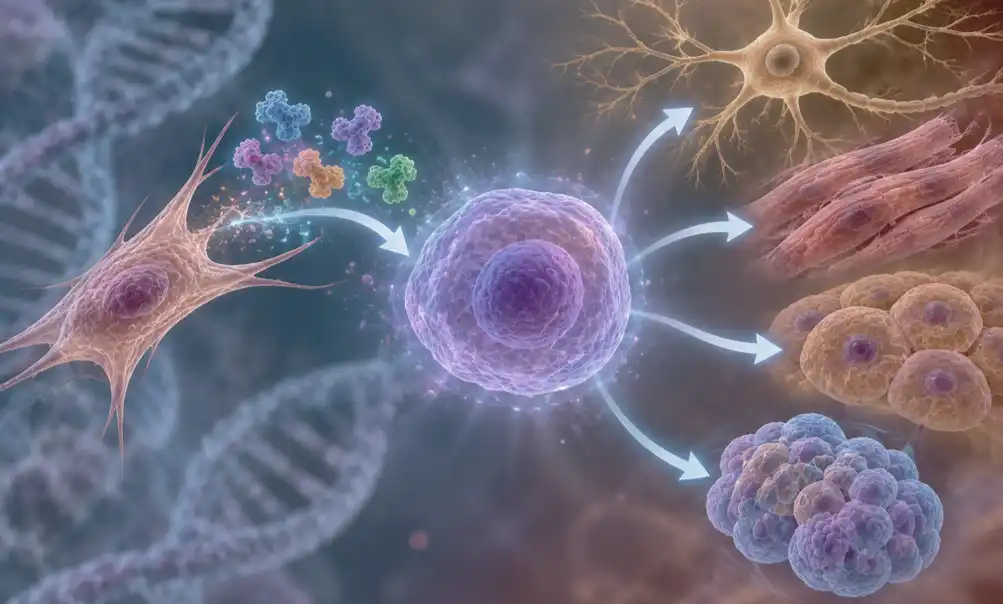
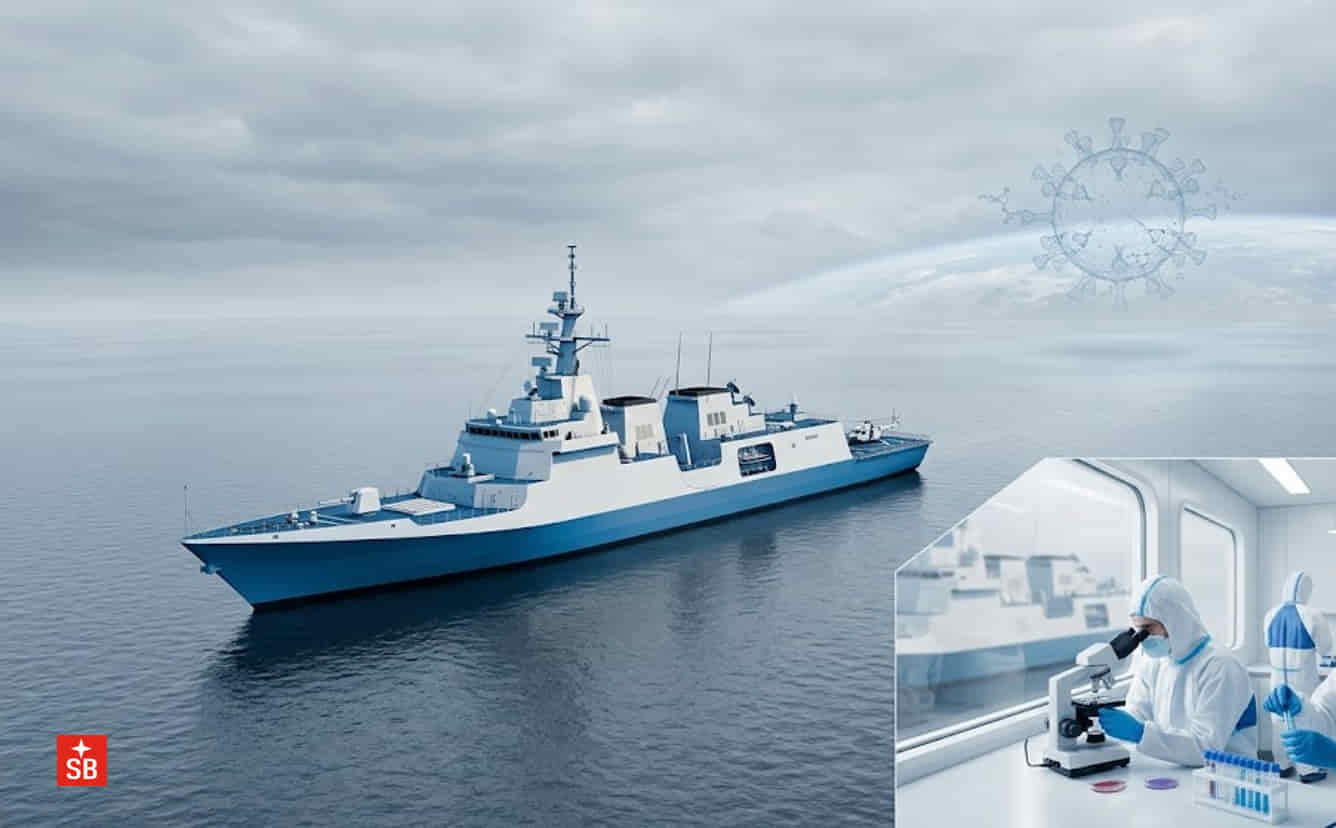
At the heart of both the series and reality was a race against time. In The Last Ship, a lone virologist worked aboard the USS Nathan James to develop a cure while the crew protected her from countless dangers. Real life was far more complex. Thousands of researchers across the world worked day and night in laboratories, universities, pharmaceutical companies, and hospitals. Clinical trials, genomic sequencing, vaccine development, regulatory approvals, and global distribution became one of the fastest scientific collaborations in history. Unlike Hollywood, there was no magic cure. Science moved forward one careful step at a time, proving that patience and evidence save more lives than shortcuts.
Of course, fiction added dramatic exaggeration. The virus in The Last Ship wiped out nearly 80 percent of humanity within a very short time, something far beyond what COVID-19 caused. Yet beneath the dramatic scenes lay an important truth. Both stories showed exhausted doctors, determined scientists, anxious families, and communities struggling to hold on to hope. The emotional heartbeat remained remarkably similar. As one could almost hear science saying, “Give me time, and I will find answers.”
Perhaps the greatest lesson from both the television series and the pandemic is that unity is stronger than fear. Diseases do not recognise borders, languages, religions, or political differences. They remind us that the world is one shared home. Future preparedness depends on transparent sharing of scientific data, stronger healthcare systems, early disease surveillance, and fair access to medicines and vaccines. Prevention is like repairing the roof before the monsoon arrives. Waiting until the storm begins is always more costly.
On a personal level, the pandemic taught lessons that no classroom could fully explain. It reminded us to value family dinners, friendly conversations, morning walks, and the simple joy of being together. True happiness is not measured by wealth or power, but by compassion, kindness, and community support. During difficult times, neighbours became helpers, healthcare workers became heroes, and ordinary people performed extraordinary acts of courage.
The final message of The Last Ship remains deeply meaningful even today. The crew sailed through darkness to deliver hope to a broken world. In reality, Earth itself is our only ship, floating together through the vast ocean of space. Every person is a crew member, and every act of responsibility strengthens our shared journey. As the proverb wisely reminds us, “United we stand, divided we fall.” The greatest prediction of The Last Ship was not the virus itself, but the timeless truth that humanity survives best when it stands together.