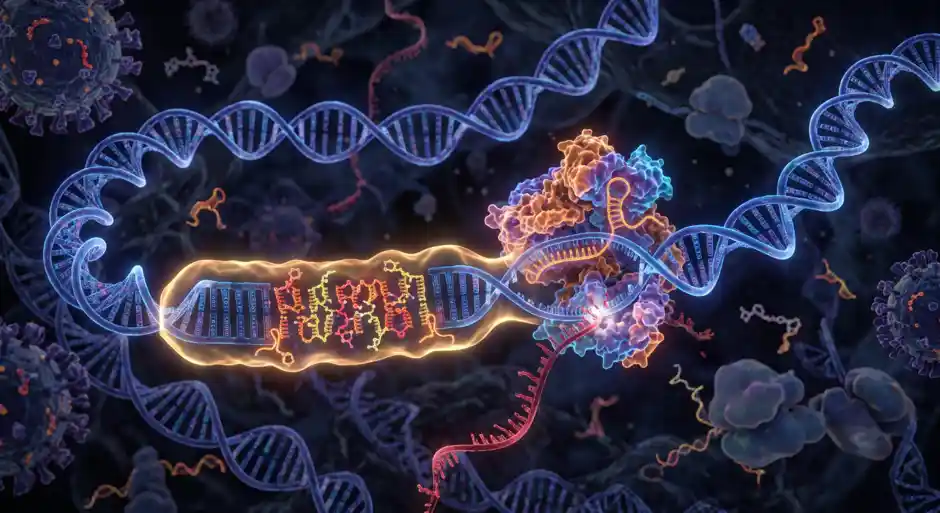
A tiny helper from our own body is now giving fresh hope in the fight against cancer. Scientists have found that an ancient immune protein called complement C3 works like a faithful security guard standing at the gate of a tumour. Instead of making noise across the whole body, it quietly protects the right place. As the old saying goes, “Old is gold.” Sometimes the oldest warriors carry the sharpest swords. This discovery reminds us that nature still hides many treasures waiting to be uncovered.
Complement C3 is one of the oldest members of our immune system. It has been protecting living organisms for hundreds of millions of years and is even found in simple animals like jellyfish and sponges. Earlier, scientists believed that the C3 made by the liver and carried through the blood did most of the work. However, researchers at Nagoya University found a surprising twist. They discovered that the C3 made inside the tumour is the real game changer. It is like a local police officer who knows every street better than a visitor. “The local C3 is doing a special job inside the tumour,” the researchers explained. This finding changes the way scientists look at cancer immunotherapy.
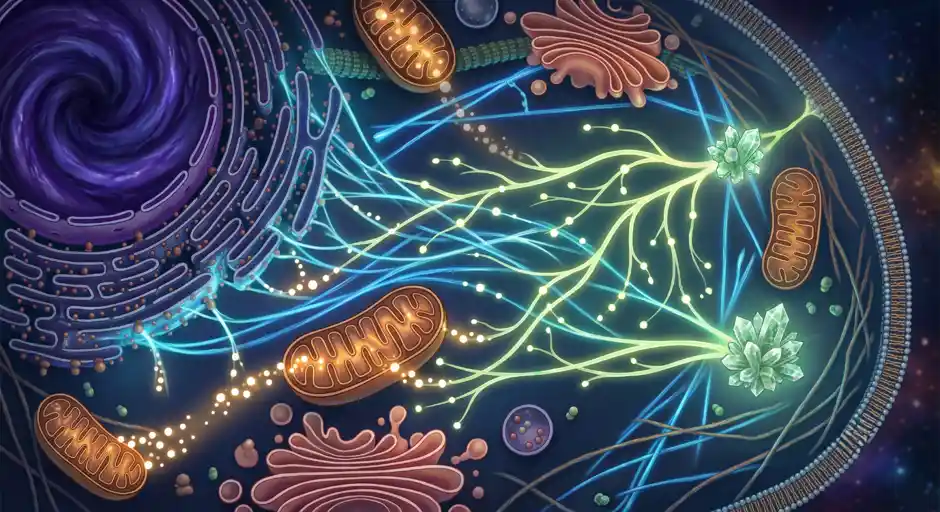
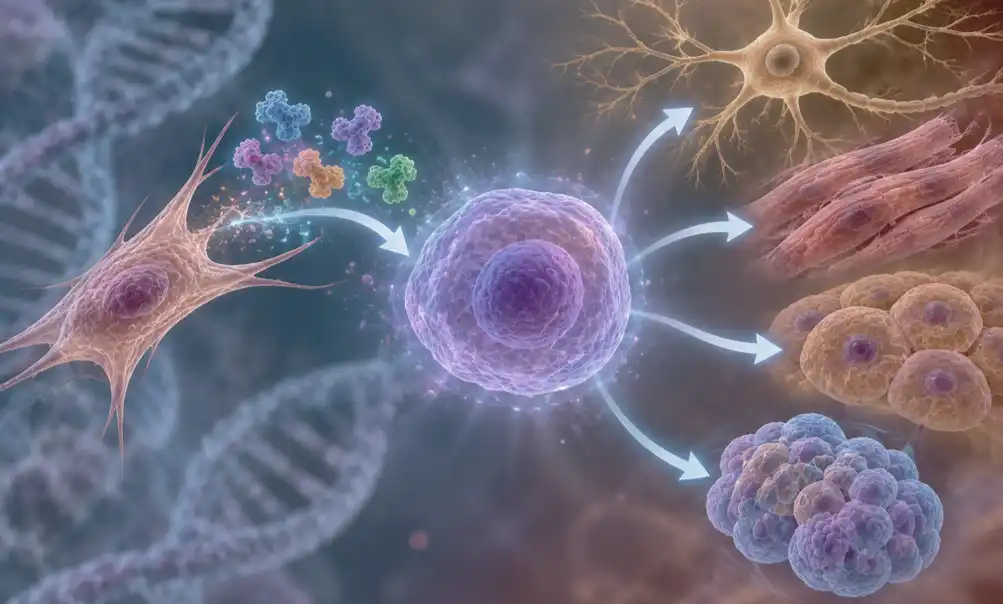
The tumour is not just a group of cancer cells, it is more like a crowded city with both friends and enemies. Around the tumour are tumour associated fibroblasts, special supporting cells that produce local C3. This C3 acts like a wise captain guiding the immune army. It prevents the build up of immune suppressing myeloid cells and tumour associated macrophages, which normally act like bodyguards protecting cancer cells. In simple words, C3 removes the shields around the enemy, allowing cancer fighting T cells to attack more effectively. It is a classic example of “removing the weeds so healthy plants can grow.” This is a perfect example of teamwork inside the body.

Scientists also found that tumours with higher levels of local C3 responded much better to immune checkpoint therapy. This treatment removes the brakes from T cells so they can attack cancer more strongly. If doctors can increase C3 only inside the tumour, many patients who currently show little response may benefit in the future. This is not about increasing C3 throughout the whole body, because too much in the wrong place may not help. Instead, it is like watering only the thirsty plant instead of flooding the entire garden. In scientific terms, this approach could improve the tumour microenvironment and strengthen anti tumour immunity.
This discovery shines like a small lamp that may light a long road ahead. It reminds us that medical progress does not always come from creating something brand new. Sometimes, the greatest secrets are hidden in familiar friends that have quietly served life for millions of years. As another proverb says, “A stitch in time saves nine.” By understanding the hidden talents of ancient immune proteins, scientists may open new paths towards safer and more effective cancer treatments. What looked like an old chapter has now become an exciting new beginning.