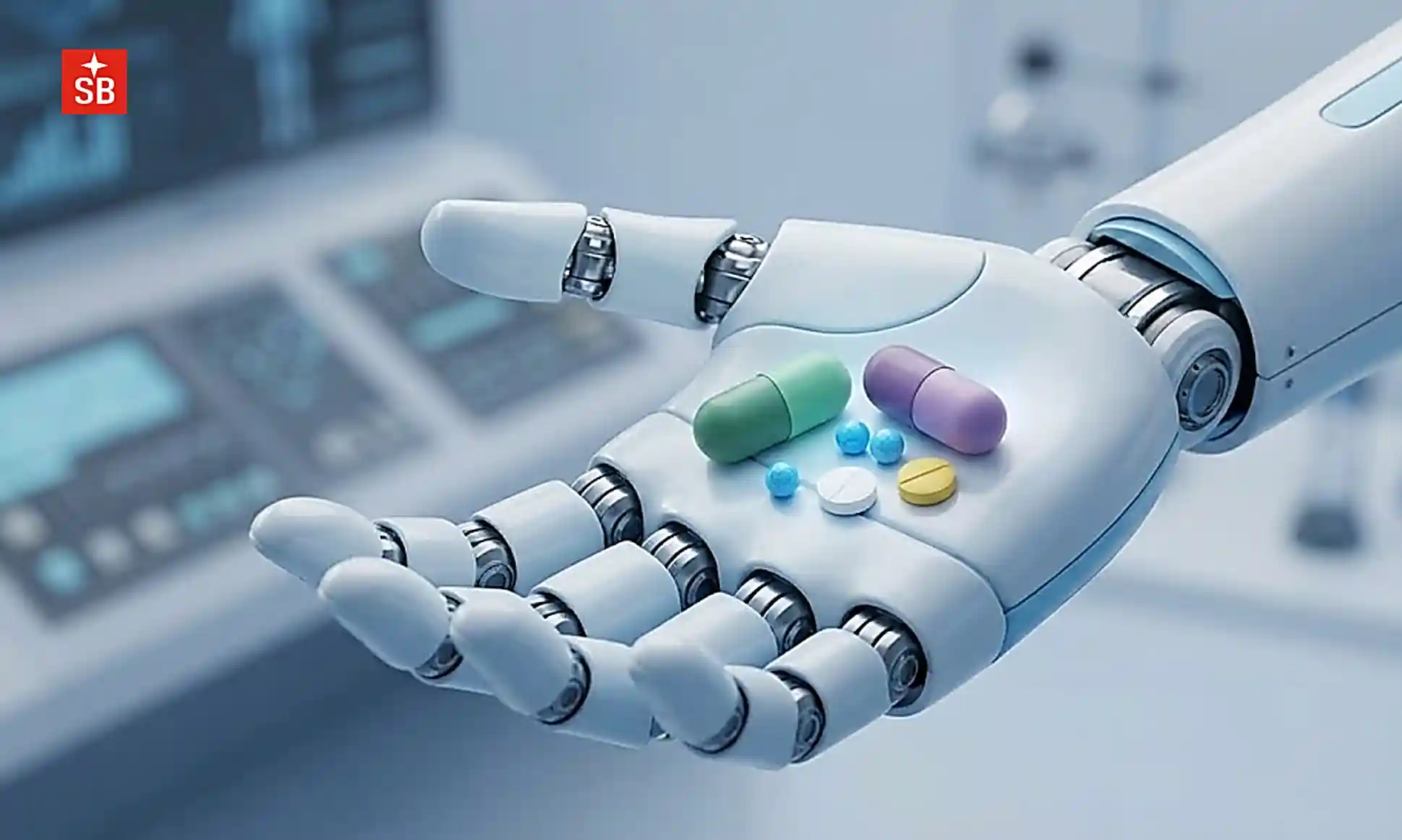
Artificial intelligence, or AI, has completely changed the game for drug discovery, speeding up everything from finding drug targets to mapping protein structures. It is like giving scientists a powerful telescope that can see possibilities hidden from the human eye. But there is a catch, AI is only as smart as the data we feed it, and right now, healthcare data is a messy, disconnected puzzle.
As our elders often say,, “A chain is only as strong as its weakest link,” and incomplete data can weaken even the smartest AI. Traditional health records only give us isolated snapshots of a patient, missing the bigger picture of how diseases actually play out in real life.
To fix this, the medical world is starting to focus on the actual human journey through longitudinal patient intelligence. Instead of reading only one page of a book, researchers are now learning to read the entire story from beginning to end. By blending electronic health records, patient feedback, smart wearables, and digital health trackers, researchers can finally observe how diseases evolve over time rather than simply making predictions based on a single doctor’s visit.
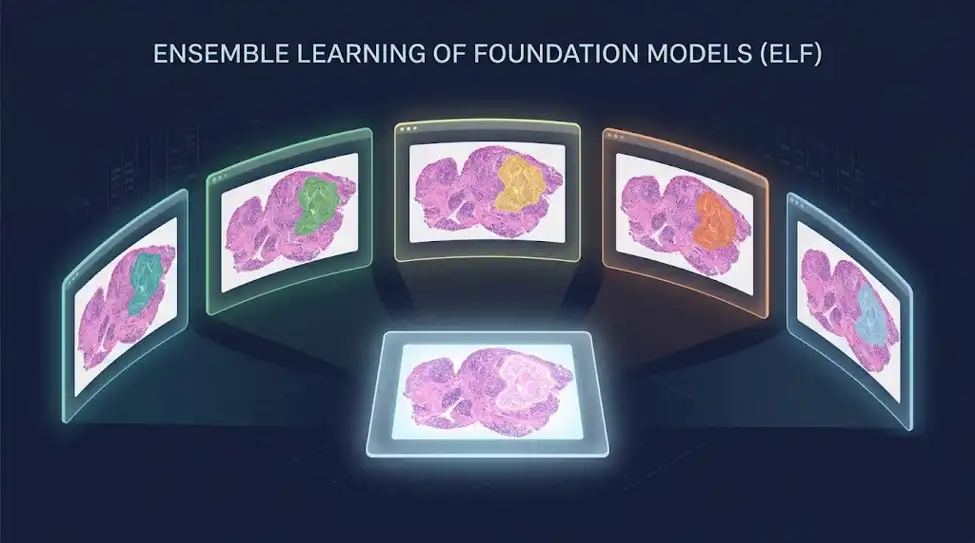
Every heartbeat recorded, every step counted, and every symptom noted becomes another piece of the scientific puzzle. As one researcher might say, “Every patient’s journey teaches us something new.”
This continuous flow of information allows AI models to recognize hidden patterns that may otherwise remain invisible. In scientific terms, this creates richer datasets that improve predictive modelling, biomarker discovery, disease progression analysis, and personalized medicine.
It is similar to watching a full movie instead of judging the entire story from one photograph. The data itself almost becomes a storyteller, quietly revealing how illness changes with time, treatment, and lifestyle. This is where medicine meets machine learning in a truly meaningful way.
At the end of the day, the next big breakthrough in medicine will not come only from building faster algorithms. It will come from combining cutting-edge technology with deep, continuous data that truly captures what it is like to live with a condition. The irony is that the future of high-tech healthcare depends not only on smarter computers but also on understanding the everyday experiences of ordinary people.
Every patient’s journey becomes a bridge connecting data with discovery, and every shared health record becomes a stepping stone towards better treatments. As the saying goes, “Many drops make an ocean,” and millions of patient experiences together may shape the medicines of tomorrow.