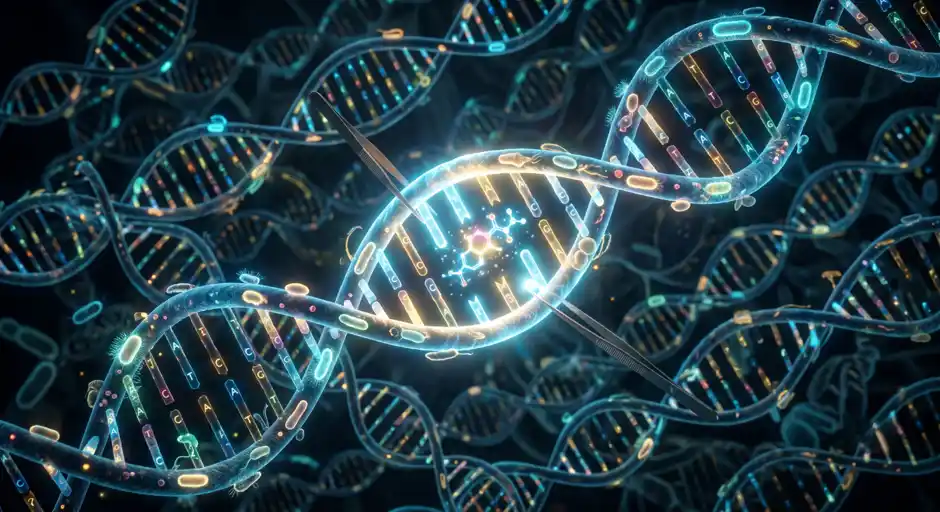
Some of the most useful medicines ever discovered began with something surprisingly small: a molecule made by a microorganism. The problem is that nature contains an enormous number of microbes that scientists cannot easily grow in the laboratory. Their DNA can still be recovered from soil, water and other environmental samples, but it often arrives as incomplete fragments. Now, researchers have developed a way to piece together those fragments and use them to search for potential new drug molecules, including compounds that may have anticancer activity.
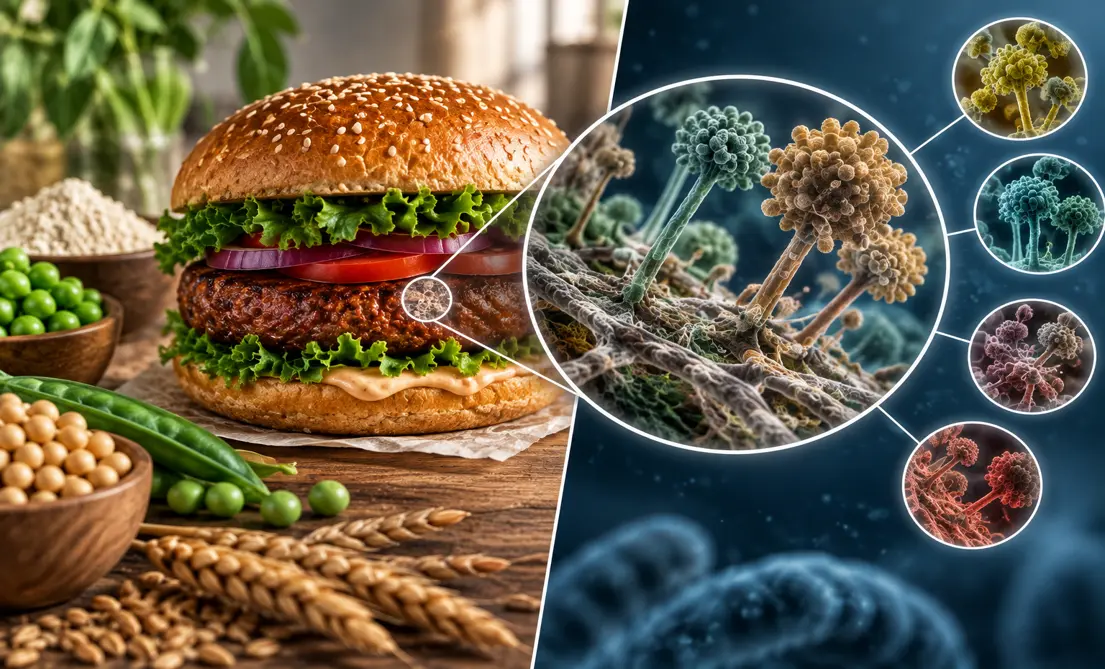
Microorganisms produce many natural products with medical potential. The genetic instructions for making these molecules are often organized into biosynthetic gene clusters, or BGCs. A BGC is essentially a group of neighboring genes that work together to manufacture a particular chemical compound. But when environmental DNA is sequenced, these clusters can be split across different pieces of DNA called contigs. A potentially valuable pathway may therefore look like several unrelated fragments rather than one complete genetic blueprint.
Researchers from Jining Medical University developed a strategy to overcome this problem. Instead of discarding incomplete BGCs, they used experimentally characterized gene clusters as reference maps. Related fragments in metagenomic datasets could then be compared with these known pathways to help reconstruct what the missing portions might contain. They called their approach GCF-anchored and target-oriented mining.
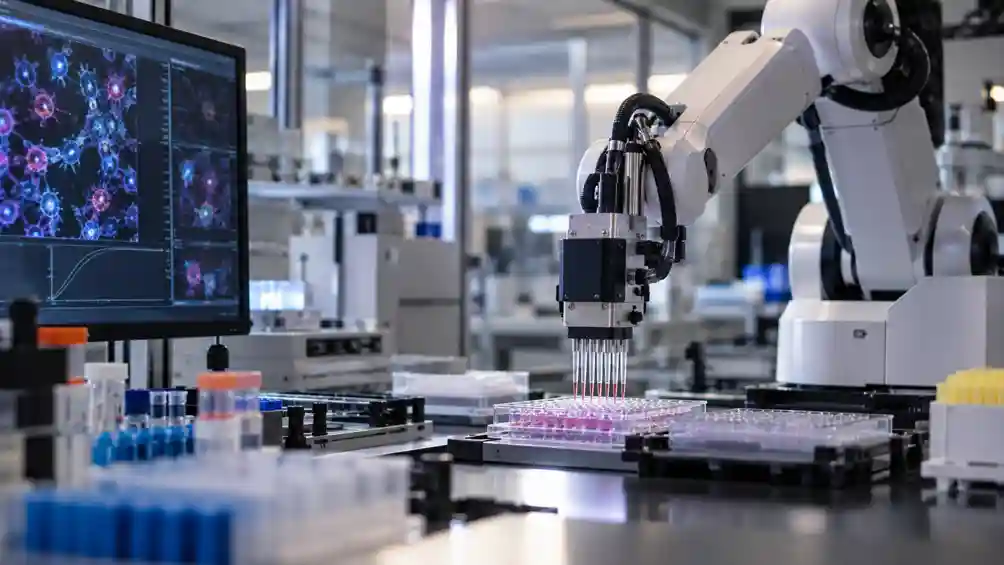
The important part is that the work did not stop with computer predictions. After identifying promising biosynthetic pathways, the researchers predicted candidate chemical structures and chemically synthesized six compounds. They then tested these compounds against seven cancer cell lines, including cervical, colorectal, gastric, prostate, endometrial, liver and breast cancer cells. The six molecules behaved differently depending on the cancer cell line.
Compounds D and E showed the strongest overall cytotoxic activity, particularly against liver cancer cells and colorectal cancer cells. Compound F also showed relatively strong activity, while other compounds displayed more selective or moderate effects.
The measured half-maximal inhibitory concentrations, or IC₅₀ values, ranged from about 38 to 376 micromolar across the tested combinations. That does not mean compounds D and E are cancer treatments. It means they have produced an effect in cell-based laboratory experiments, making them candidates for further investigation.
The bigger significance of the study is the strategy itself. They have long suspected that the world’s microorganisms contain an enormous collection of chemicals that could become useful medicines. Yet conventional drug discovery is limited by the difficulty of culturing many environmental microbes.
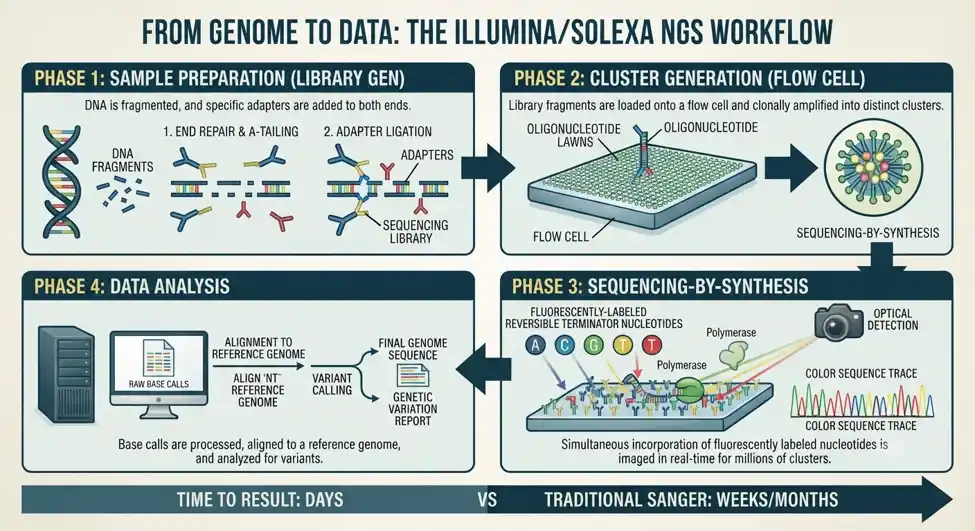
Metagenomics offers a way around that problem. We can sequence DNA directly from environmental samples without first growing every organism in the laboratory. Now, fragmented sequences that once looked too incomplete to use can potentially become clues to hidden biosynthetic pathways. They describe the approach as a way of moving from computational reconstruction to chemical synthesis and biological testing, allowing promising candidates to be prioritized instead of experimentally testing every possible sequence.
They still need to determine exactly how the compounds work, whether they are selective for cancer cells, how toxic they might be to normal cells, whether they can reach the right tissues in an organism and whether they have useful pharmacological properties. There is another interesting uncertainty: the study predicted these molecules from fragmented genetic information and then synthesized them chemically.
That does not necessarily prove that the corresponding microorganism naturally produces the exact predicted compound in its environment. Still, the approach changes how scientists can look at incomplete microbial genomes. A broken piece of DNA may no longer be just missing information. With the right computational clues, it can become the starting point for reconstructing a chemical pathway and perhaps discovering molecules that nature has been making all along. The next generation of medicines may not be waiting in a laboratory culture. They could be hidden in the fragments of microbial DNA we have only just learned how to read.
Sources