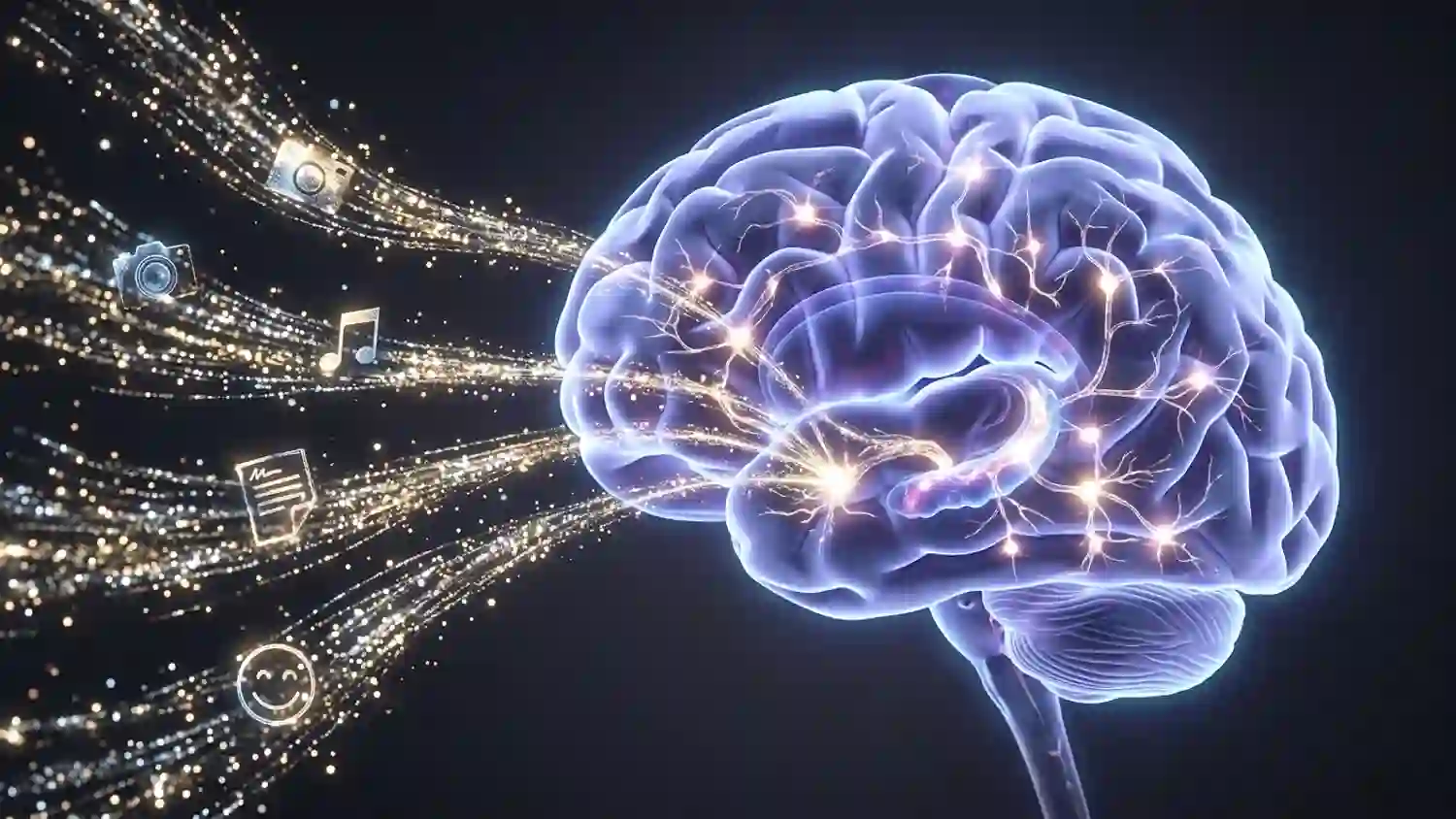
Memories are not just files stored away in the brain. New experiences constantly arrive, and the brain has to decide what to do with them: should this information become part of an existing memory, or should it be stored as something new?
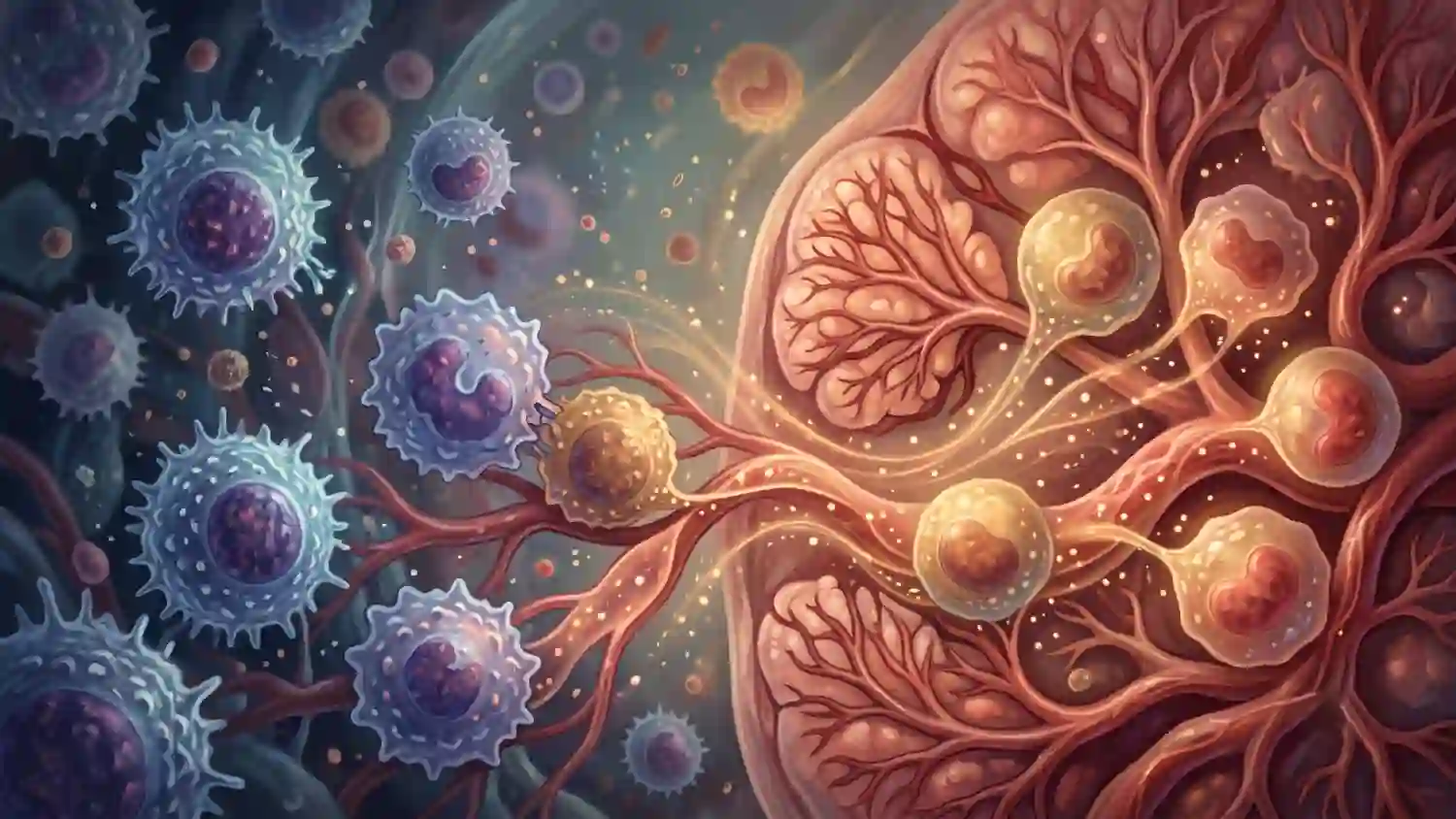
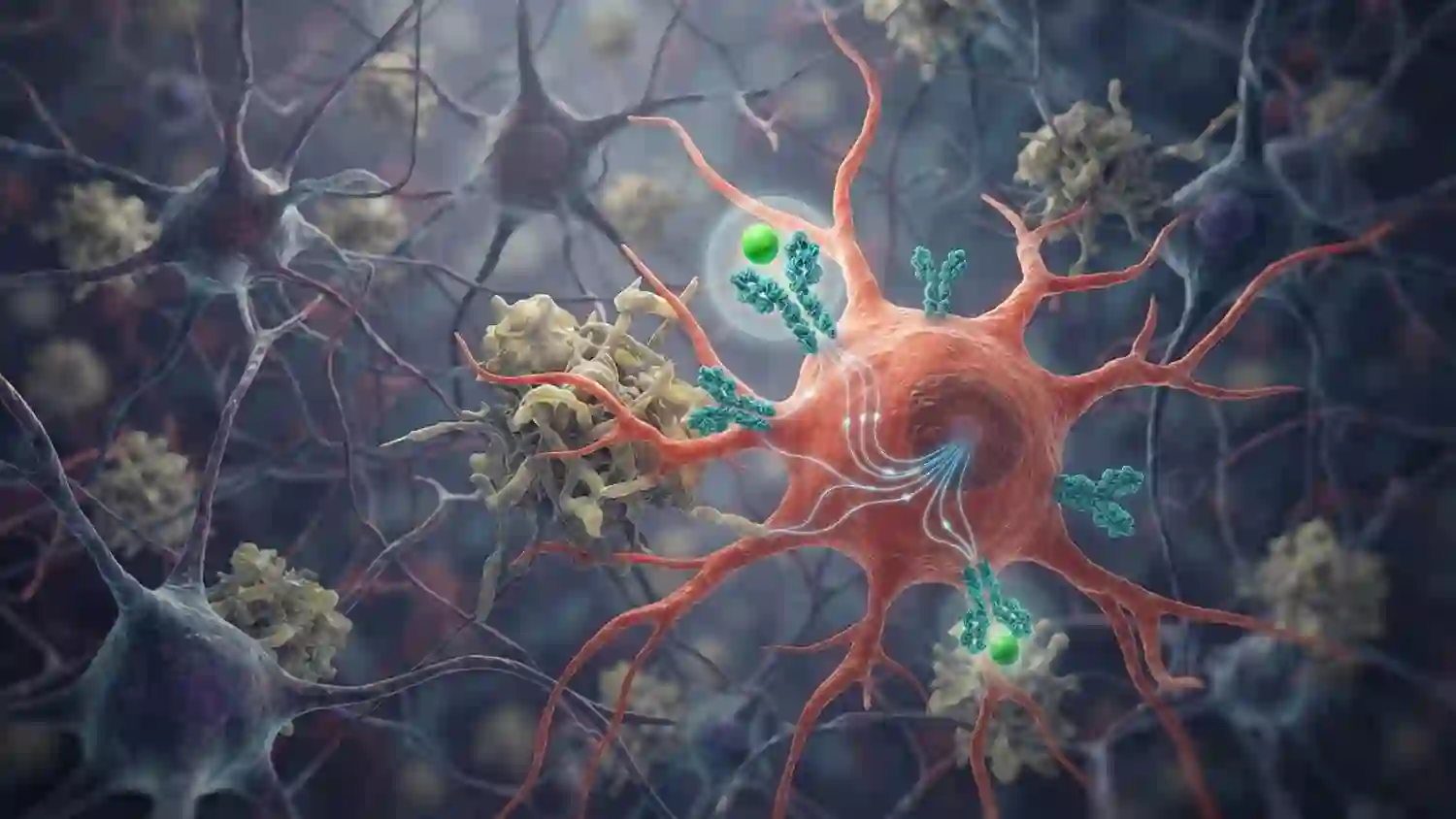
Researchers in Spain may have found part of the mechanism behind that decision. The key appears to be a small region of the hippocampus called the dentate gyrus, where a particular group of neurons can control how strongly new information is incorporated into existing memories. The dentate gyrus is involved in forming and distinguishing memories. One of its jobs is to help prevent different experiences from becoming confused with one another. For example, remembering what a building looked like before renovation, during construction and after it was finished requires the brain to preserve the differences between those experiences.
The researchers focused on inhibitory neurons in the dentate gyrus. These cells reduce the activity of other neurons, essentially acting as a brake on the circuit. Using mice, the researchers increased or reduced this inhibitory activity and then tested how well the animals could retrieve memories. They found that reducing inhibition could improve memory retrieval and produce more detailed recollections under some conditions. But there was an important twist: less inhibition was not always better. The researchers used a computational model to explore why. When the amount of information being processed was relatively small, reducing inhibition could help the brain incorporate new information. But when the memory load became much larger, too little inhibition was no longer beneficial.
This suggests that the brain may not have one fixed setting for memory. Instead, the dentate gyrus could dynamically adjust how strongly it separates or integrates information depending on the situation. In other words, the brain may have a kind of context-sensitive filter: sometimes allowing new information to become linked with what is already known, while at other times protecting an existing memory from being overwritten or mixed up. That could help explain how we can remember different versions of the same event without turning them into one confusing memory. The findings are still based on experiments in mice, so we cannot assume the same mechanism works identically in humans. But they offer a glimpse into one of the fundamental problems the brain has to solve every day: learning something new without losing track of what came before.