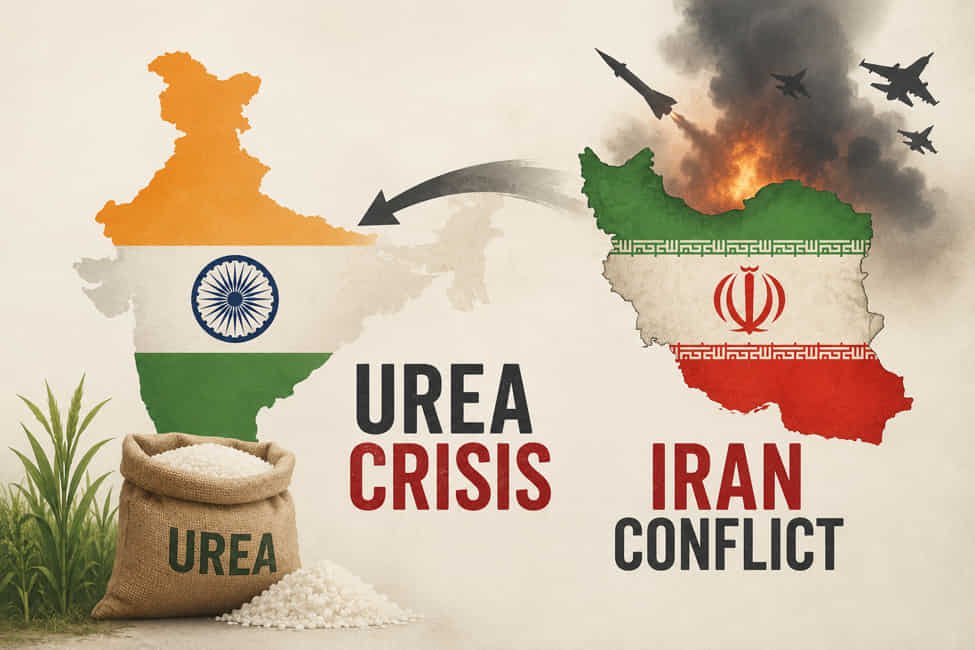
A conflict thousands of kilometres away in the Middle East can determine whether an Indian farmer gets fertilizer on time. The recent Iran crisis has once again highlighted how deeply India’s agriculture depends on global energy and fertilizer supply chains. While India is one of the world’s largest fertilizer producers, it still relies heavily on imports of key raw materials and finished fertilizers, making geopolitical tensions a direct concern for food security.
India currently produces around 87% of its urea requirement domestically, with an annual production of nearly 31–32 million tonnes. Major producers include Indian Farmers Fertilizer Cooperative (IFFCO), National Fertilizers Limited (NFL), Rashtriya Chemicals and Fertilizers (RCF), Krishak Bharati Cooperative (KRIBHCO), Chambal Fertilizers & Chemicals, Coromandel International, and Madras Fertilizers. However, despite this large manufacturing base, India remains dependent on imports for several essential nutrients.
Every year India imports approximately 4-5 million tonnes of urea, 5-6 million tonnes of diammonium phosphate (DAP), 4-5 million tonnes of muriate of potash (MOP), and large quantities of rock phosphate, phosphoric acid, ammonia and Sulphur, as domestic reserves are insufficient. These imports originate largely from Gulf countries, Saudi Arabia, Oman, Qatar, Jordan, Morocco and Russia. Any disruption in this supply chain immediately affects fertilizer availability and prices.
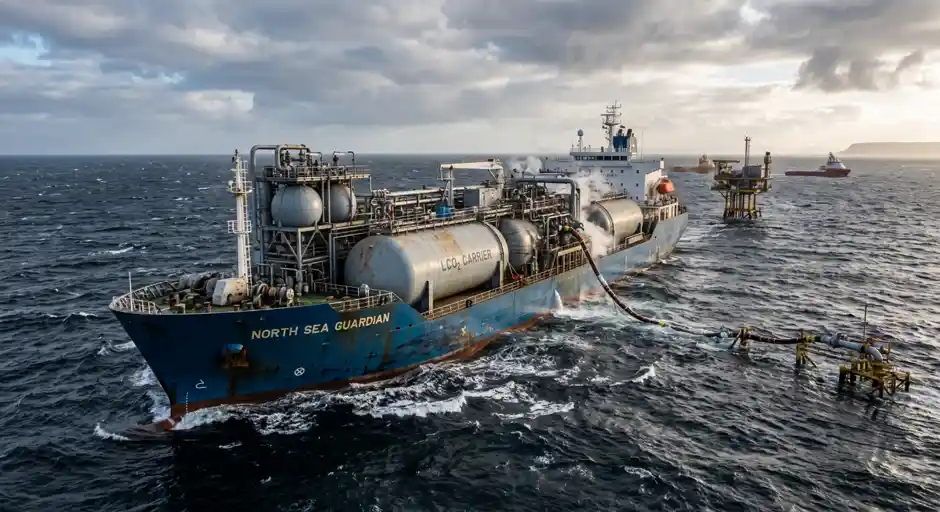
At the heart of this vulnerability lies the Strait of Hormuz, a narrow sea passage connecting the Persian Gulf to the Arabian Sea. Although only about 33 km wide at its narrowest point, it carries nearly 20% of globally traded LNG, over one-quarter of traded crude oil, and almost one-third of global fertilizer exports. Gulf nations such as Qatar, Saudi Arabia, Oman and the UAE are not only energy exporters but also among the world’s largest producers of ammonia, urea and Sulphur-based fertilizers because they possess abundant natural gas reserves.
Liquid Natural gas (LNG) is the foundation of nitrogen fertilizer manufacturing. LNG is converted back into natural gas containing methane. Inside fertilizer plants, methane reacts with steam in a process called steam reforming, producing hydrogen and carbon monoxide. Hydrogen is mixed with nitrogen extracted from air under high pressure and temperature through the Haber-Bosch process, producing ammonia (NH₃). Ammonia is the essential raw material for all the nitrogen based fertilizers. Ammonia reacts with carbon dioxide to form urea, the world’s most widely used nitrogen fertilizer.
Natural gas also indirectly supports phosphorus fertilizers. Ammonia produced from LNG reacts with phosphoric acid to manufacture DAP and MAP. Sulphur is another major Gulf export converted into Sulphuric acid. Sulphuric acid is required to process phosphate rock. Consequently, disruptions in LNG and Sulphur exports simultaneously threaten both nitrogen and phosphate fertilizer production.
The recent Iran conflict demonstrated this interconnectedness. Damage to gas facilities, shipping disruptions and uncertainty surrounding the Strait of Hormuz temporarily reduced fertilizer exports and pushed international urea prices sharply upward before they eased again. Fortunately for India, domestic urea production remained above target, and several fertilizer cargoes carrying urea, DAP and sulphur successfully crossed Hormuz after diplomatic efforts reduced tensions, preventing an immediate supply crisis. Nevertheless, prices remain volatile and supply chains continue to face geopolitical risks.
The Iran conflict serves as a reminder that India’s fertilizer security is inseparable from its energy security.What should India learn from this?
- Increasing domestic production of urea and complex fertilizers.
- Diversifying import sources beyond the Gulf.
- Securing long-term LNG and fertilizer contracts.
- Expanding strategic reserves of fertilizer and raw materials.
- Investing in green ammonia and green hydrogen technologies to reduce dependence on imported natural gas.
India has successfully strengthened its fertilizer manufacturing capacity over the past decade, but its dependence on imported LNG, sulphur, phosphoric acid and potash remains a strategic vulnerability. As geopolitical tensions reshape global trade routes, building a diversified, self-reliant and sustainable fertilizer ecosystem will be essential -not only for protecting farmers but also for ensuring the nation’s long-term food security.