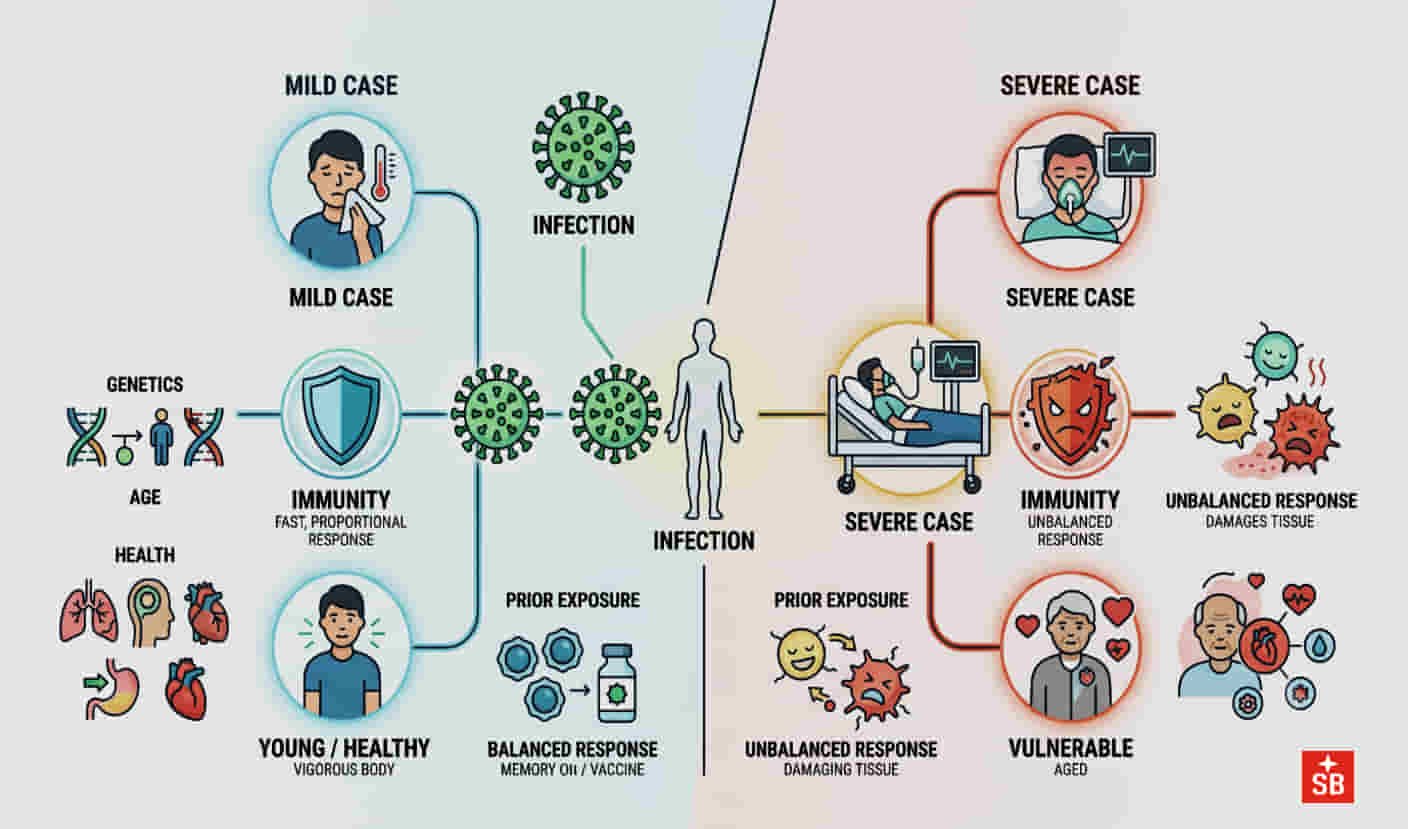
A virus may enter two people through the same door, yet it can write two completely different stories. One person may have only a mild fever and be back at work in a few days, while another may become seriously ill and need hospital care. How can the same tiny germ behave so differently? The answer is that every human body is unique. A virus is only one player in the game, your body is the other. How “The same sun melts butter and hardens clay.” In the same way, the same virus can produce very different results in different people.
The body’s immune system is like a highly trained army standing guard day and night. The moment a virus enters, immune cells shout, “Intruder detected, defend the body!” and begin attacking it. In many people, this response is quick, balanced, and effective, stopping the virus before it causes much harm. But in others, the response may be slow, allowing the virus to spread. Sometimes the immune system becomes too aggressive, firing so many weapons that it accidentally damages healthy tissues. Ironically, the body’s own defence can sometimes become its biggest enemy. It is like trying to put out a small kitchen fire with a flood powerful enough to wash away the whole house.
Age also changes how this invisible battle unfolds. As people grow older, the immune system slowly loses some of its sharpness. It is like an experienced security guard whose eyesight and speed gradually fade with time. Older adults therefore find it harder to fight infections quickly. Certain health conditions, including diabetes, heart disease, obesity, and chronic lung disease, can further weaken the body’s defence system. Scientists call these comorbidities, illnesses that exist alongside another disease and increase the risk of severe complications.
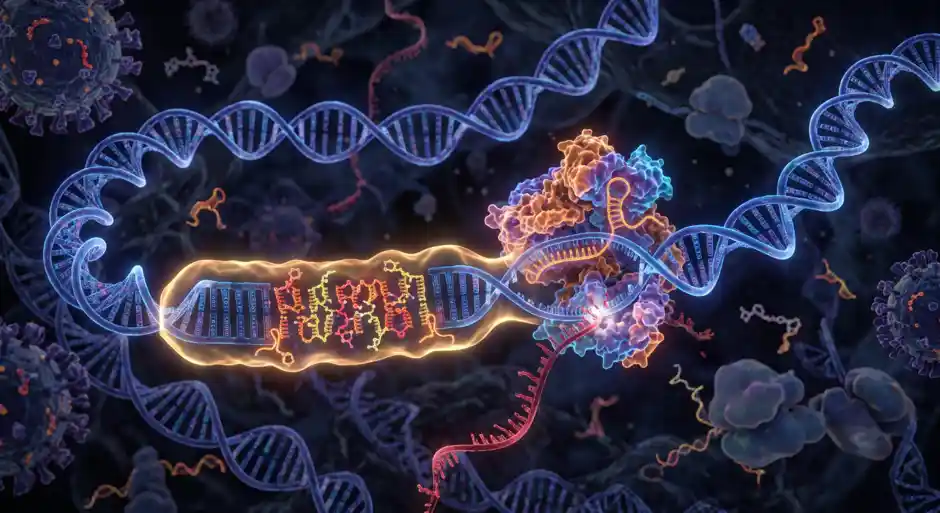
Genes add another fascinating twist to the story. Every person carries a slightly different DNA blueprint. These tiny genetic differences can decide how efficiently immune cells recognize viruses or produce interferons, powerful proteins that slow down viral spread during the early stages of infection. Think of DNA as a recipe book. Even a small change in one recipe can alter the final dish. Researchers have discovered that certain genetic variations can influence how people respond to viral diseases such as COVID 19 and influenza.
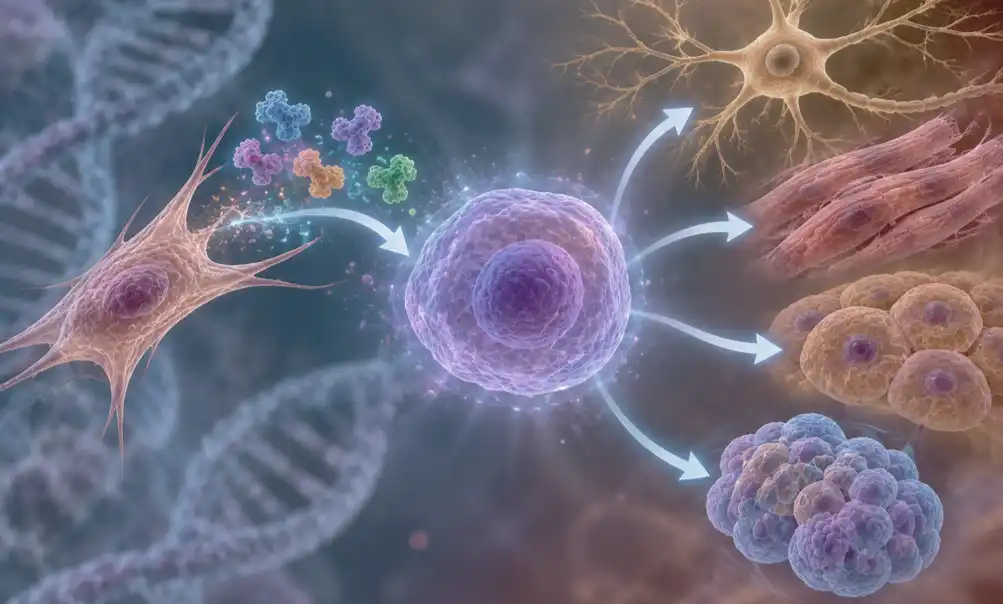
The immune system also has an excellent memory. Every infection or vaccine is like a lesson stored in its secret library. When a familiar virus returns, memory cells quickly announce, “We have seen this enemy before.” They produce a faster and stronger response, often preventing serious illness. This remarkable ability, known as immune memory, is one of the biggest reasons why vaccines protect us and why previous exposure to similar viruses can reduce disease severity.
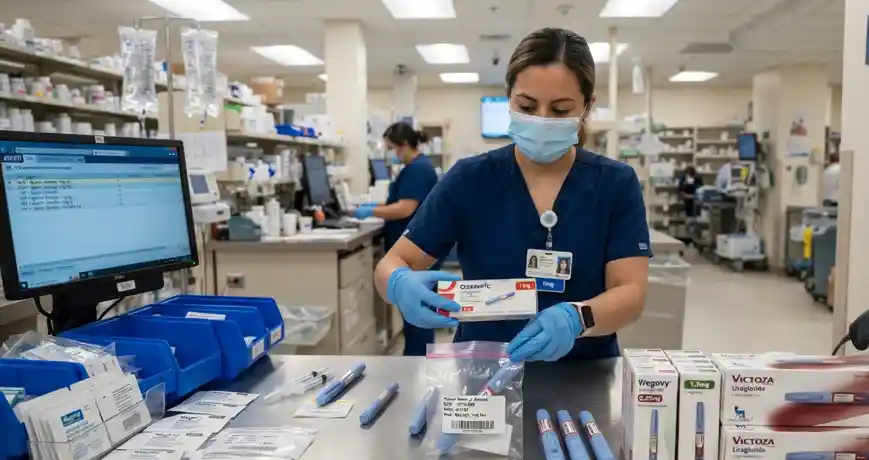
Scientists are now turning these discoveries into the future of medicine. Instead of giving every patient exactly the same treatment, doctors hope to predict who is most likely to become seriously ill and provide earlier, more targeted care. This growing field, called personalized medicine, aims to match treatment to each person’s unique biology, genetics, and health conditions. It is a classic example of “different keys for different locks.”
The next time you hear that two people caught the same virus but had completely different experiences, remember that the virus tells only half the story. The other half is written by the extraordinary immune system, shaped by age, genes, health, and past encounters with disease. In the grand chess match between viruses and humans, victory depends not only on the strength of the opponent, but also on the strategy of the defender. Every immune system fights its own battle, and every battle is uniquely its own.