Large-scale whole-genome sequencing reveals the landscape and health implications of de novo mutations
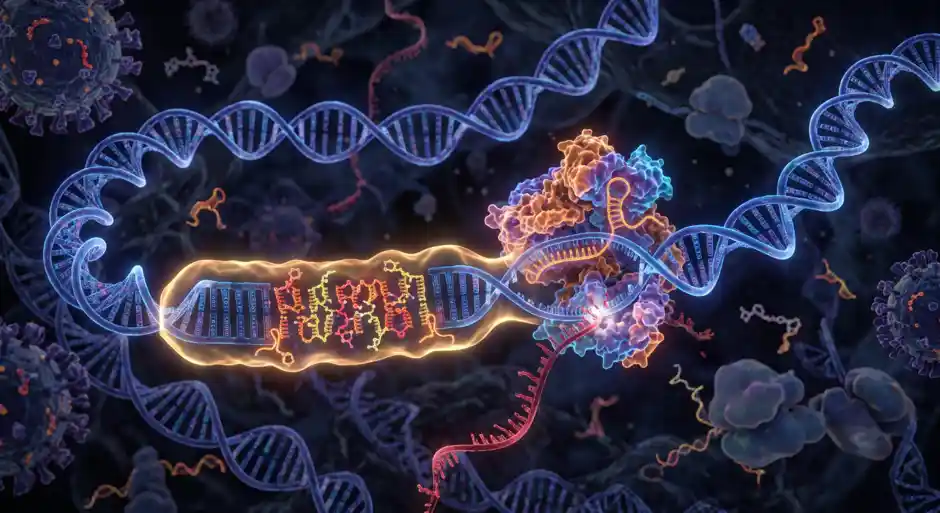
De novo mutations (DNMs), spontaneous genetic alterations arising in the germline or early embryonic development that are absent in parental genomes, are a critical driver of congenital diseases and developmental disorders. With global trends shifting toward delayed parenthood and increased reliance on Assisted Reproductive Technology (ART), understanding how parental factors and reproductive procedures influence DNM accumulation, and how these mutations translate into health outcomes for offspring, is a crucial public health priority.
Study Design & Methodology
Led by researchers at Nanjing Medical University, this study represents the world’s largest whole-genome sequencing (WGS) analysis of birth cohorts focused on DNMs. The team performed deep whole-genome sequencing (~30× coverage) on 24,030 individuals across 7,851 parent–offspring core family trios. The authors systematically identified and cataloged 390,924 de novo single-nucleotide variants (dnSNVs) alongside indels and early post-zygotic mosaic mutations (EPZMs), investigating their parental origins, clinical determinants, and health trajectories in offspring during early life.
Key Findings
- Paternal and Maternal Age Dynamics:
- Paternal Bias: Consistent with known male germline division dynamics, the majority of age-related DNM accumulation originated from the paternal line.
- Distinct Trajectories: While paternal age contributes a steady, linear increase in dnSNVs across the paternal lifespan, maternal age exhibits an accelerated accumulation curve at advanced maternal ages.
- Birth Outcome Mediation: Increased paternal dnSNVs partially mediated the clinical association observed between advanced parental age and shorter gestational duration (preterm birth risk).
- Impact of Assisted Reproductive Technology (ART):
- Procedure-Specific Effects: Independent of parental age, specific ART procedures introduced distinct mutational footprints:
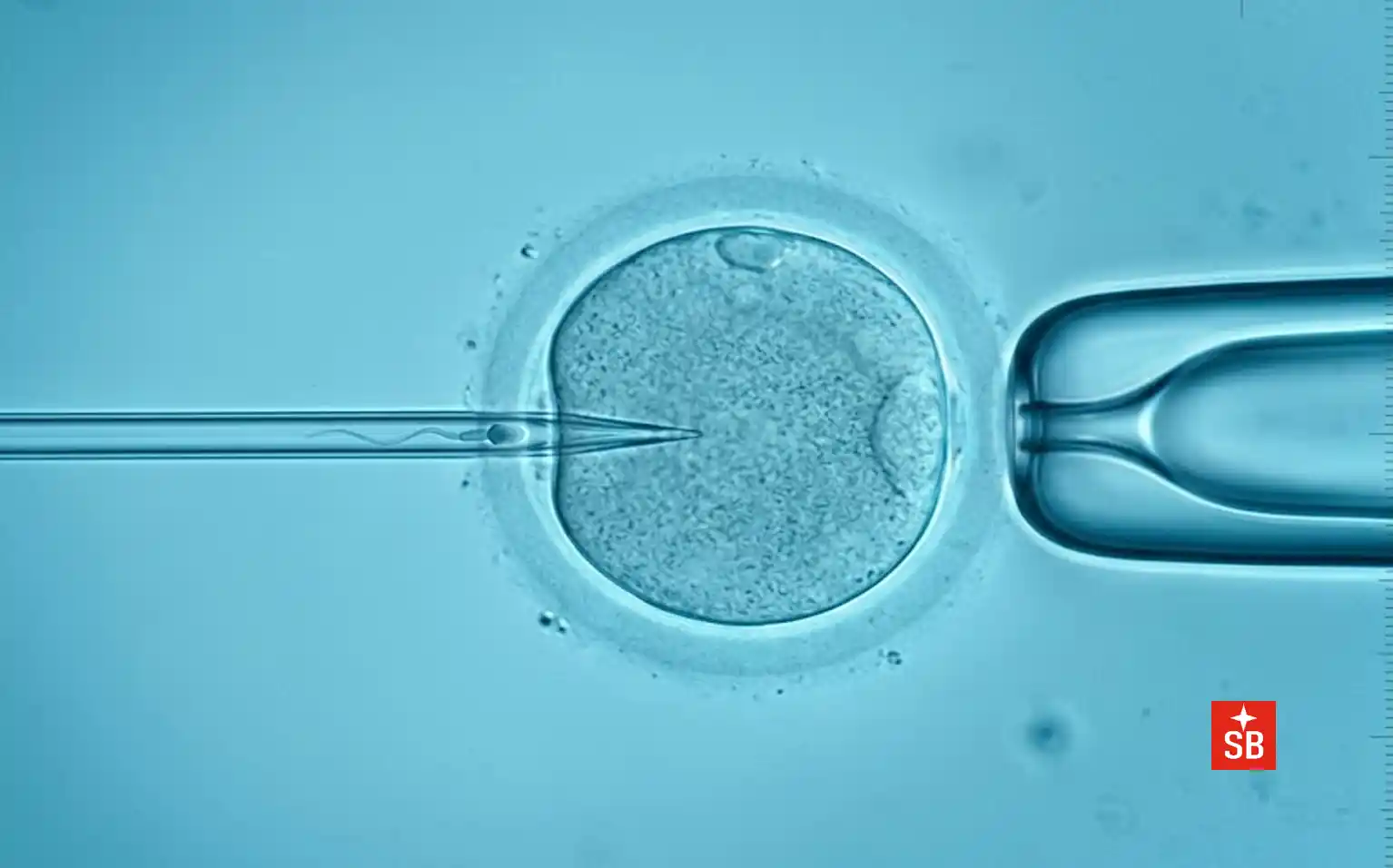
- Intracytoplasmic Sperm Injection (ICSI): Associated with an increased burden of paternal dnSNVs, which mediated an observed link between ICSI and reduced gestational age / lower birth weight.
- Ovarian Stimulation Protocols: Linked to an increased burden of maternal dnSNVs.
- In Vitro Embryo Culture & EPZMs: In vitro embryo culture and manipulation were associated with a higher burden of early post-zygotic mosaic mutations (EPZMs)—mutations arising after fertilization during early cleavage stages.
- Procedure-Specific Effects: Independent of parental age, specific ART procedures introduced distinct mutational footprints:
- Early Health & Neurocognitive Implications:
- Specific EPZM mutational signatures, particularly C > A transversion substitutions linked to in vitro culture conditions, were significantly associated with an increased risk of delayed neurocognitive development in infants evaluated at 1 year of age.
Scientific Significance & Clinical Impact
This landmark study provides direct population-level evidence that pre-conception paternal factors and laboratory-assisted reproductive procedures leave distinct genomic footprints that directly influence early child development and birth outcomes.
Crucially, the study shifts the paradigm of preconception healthcare from a traditionally maternal-centric model toward a joint parental model (“paternal-maternal co-prevention”). By identifying DNMs and EPZMs as molecular mediators connecting parental reproductive health and ART interventions with offspring neurodevelopment and birth outcomes, this work establishes vital targets for improving ART procedures, preconception screening, and pediatric health monitoring.