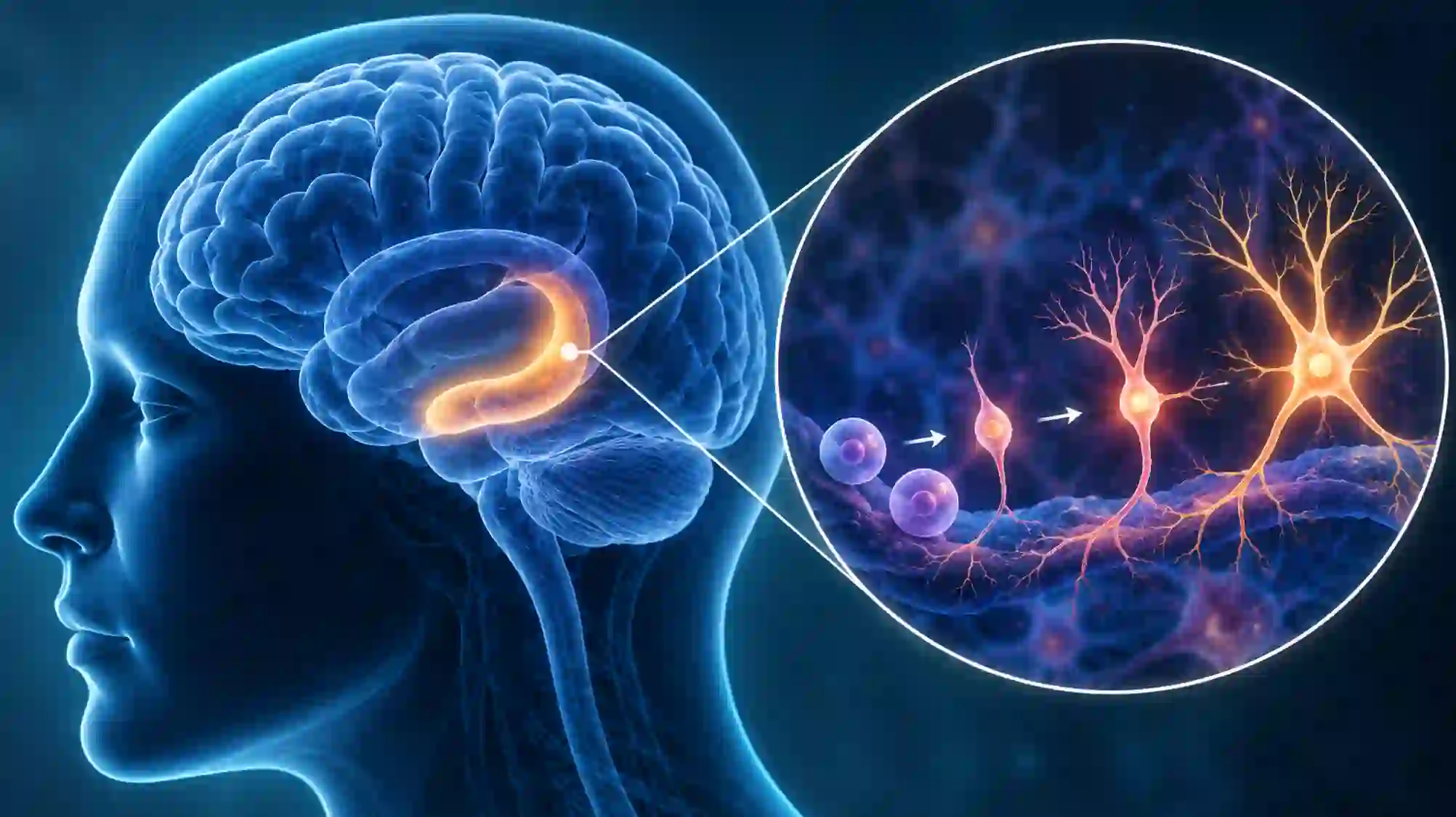
Mood can sometimes seem unpredictable. One day you feel calm and focused, while on another, the same situation can feel much more difficult to handle. Hormones may be part of the reason. A new study has found that higher levels of progesterone are associated with less distinct patterns of brain activity in regions involved in controlling emotional responses. This offers a possible explanation for how hormonal changes during the menstrual cycle may be connected to changes in mood.
Progesterone is one of the major hormones involved in the menstrual cycle. Its levels rise after ovulation during the luteal phase and then fall before menstruation if pregnancy does not occur. It is long known that changes in ovarian hormones can coincide with changes in emotional well-being, but exactly how those hormones influence the brain has been less clear. To investigate this, researchers studied 116 naturally cycling young women.
The participants completed a task while undergoing functional MRI scans. They were shown emotional facial expressions and had to either approach or avoid them. The task was designed to test emotion-action control, the ability to override an automatic emotional response when a different action is required. For example, imagine seeing an angry face. Your immediate instinct might be to avoid the person. But if you needed to approach them for an important reason, your brain would have to suppress that automatic response and choose another action.
They examined the brain activity patterns associated with these decisions using a technique called multivoxel pattern analysis. Instead of looking only at how strongly a particular brain region was activated, this method examines the pattern of activity across many tiny areas within the region. The results were interesting. Higher progesterone levels were associated with less distinct neural patterns in the lateral frontal pole and the striatum, two areas involved in controlling behaviour and processing emotional information. In the frontal pole, weaker decoding of these brain patterns was also associated with poorer mood during the previous week.
Something even more interesting was found: the relationship between progesterone and mood appeared to operate partly through changes in the brain’s emotional representations. Their statistical model suggested that frontal-pole activity helped explain the connection between higher progesterone and worse mood. But this does not mean progesterone directly causes people to become depressed or unhappy.
The study found an association, not proof of a cause-and-effect relationship. The participants were healthy young women, and mood is influenced by many factors besides hormones, including stress, sleep, environment and other biological processes. It also adds to evidence that the menstrual cycle is accompanied by measurable changes in the brain.
A separate 2026 MRI study found that progesterone levels were associated with changes in grey-matter volume and cortical thickness in several brain regions, with the effects varying across menstrual phases. So the next time hormonal changes are blamed for a shift in mood, the explanation may be more complicated than simply saying “it’s the hormones.” The hormone may be changing. But the way the brain processes emotion may be changing along with it.
Sources: