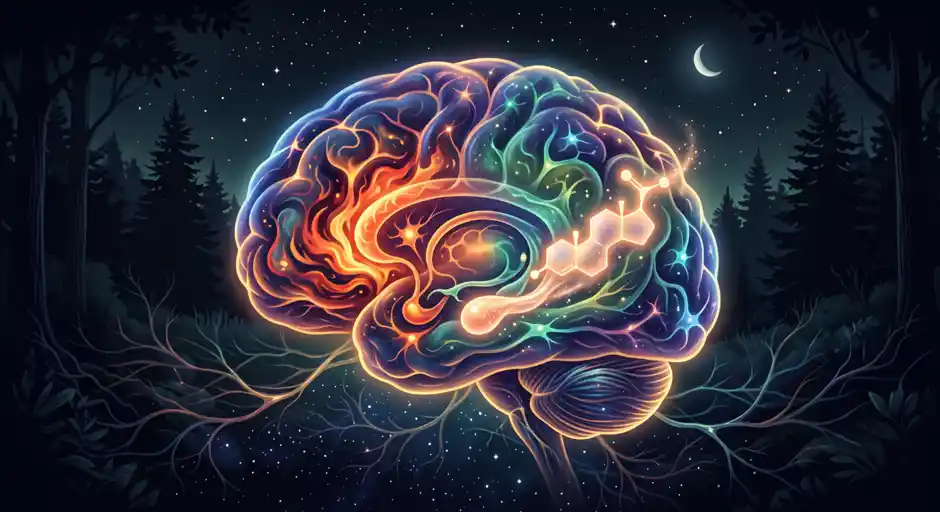
Testosterone is usually thought of as a hormone made by the human body. But scientists have now found that at least one bacterium living in the human urinary tract has its own way of making it.
The discovery came from researchers studying the urinary microbiome. The community of microorganisms living in the urinary tract. For years, urine was widely assumed to be sterile, so this microbial community received far less attention than the gut microbiome. Scientists now know that the urinary tract contains its own ecosystem, raising a new question: what are these microbes actually doing?
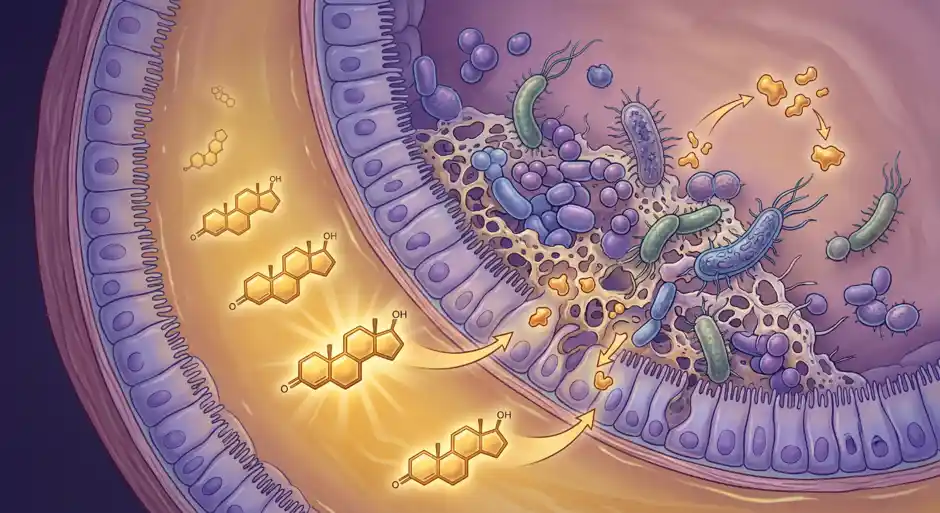
To find out, researchers screened bacteria isolated from urine samples collected from men undergoing prostate biopsy. One bacterium, Actinobaculum massiliense, caught their attention because it could transform steroid molecules. The researchers supplied the bacterium with DHEA (dehydroepiandrosterone), a steroid naturally produced by the human body and an important starting material for making several other steroid hormones. The bacterium converted DHEA through a series of chemical steps, ultimately producing testosterone.
But discovering the reaction was only the beginning. The scientists wanted to know how the bacterium was doing it. By examining the bacterium’s genome, they identified two genes, dirA and dirB, that encode enzymes involved in the pathway. Experiments showed that DirA was particularly versatile, helping drive several of the chemical transformations needed to reach testosterone.
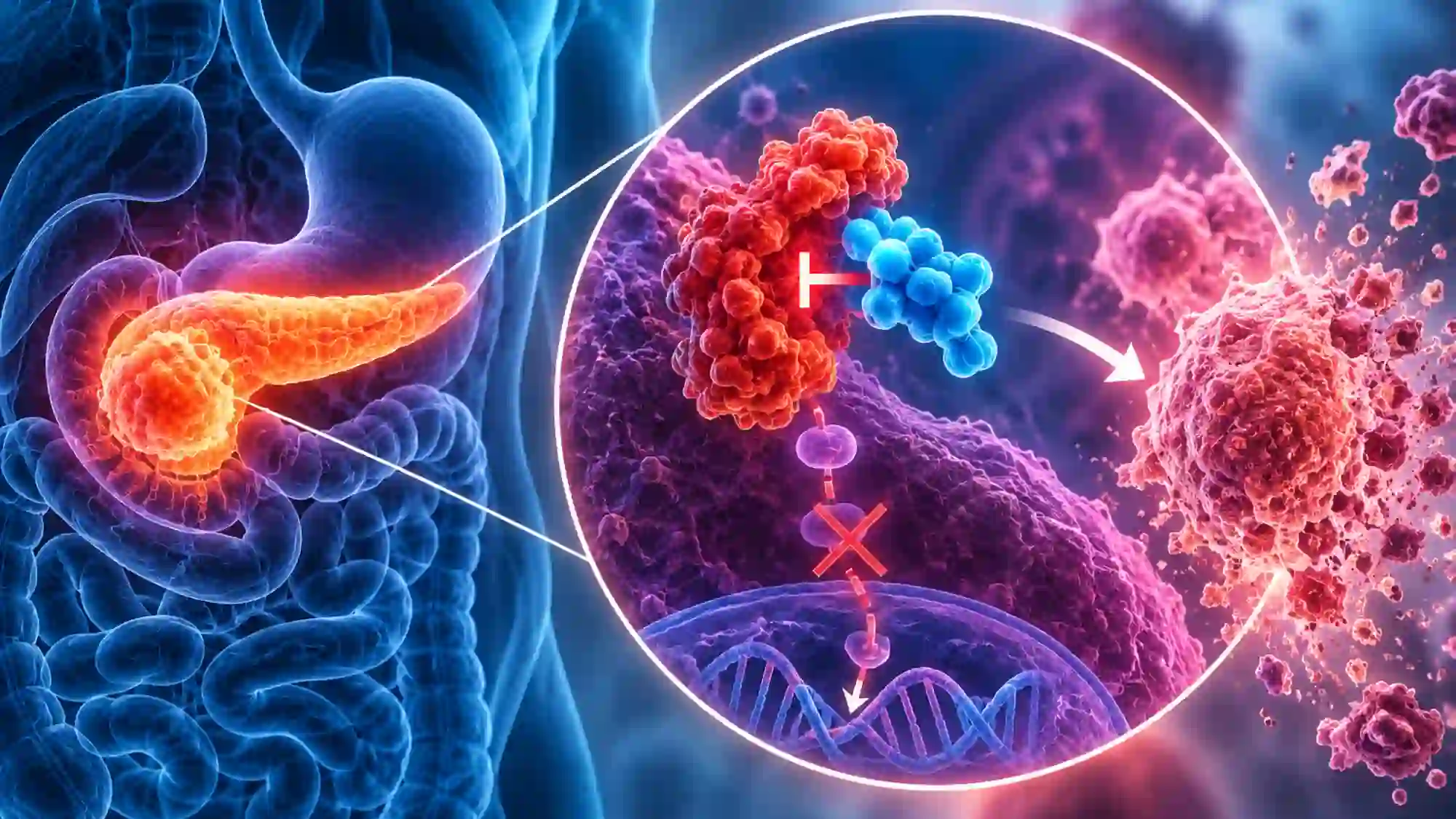
The researchers then used computational modelling to look inside these enzymes. Their simulations suggested that the difference comes partly down to shape and flexibility. DirA has a relatively open pocket that gives steroid molecules room to move and change orientation, allowing different parts of the molecule to interact with the enzyme. DirB has a narrower pocket, restricting how the steroid can move and limiting the reactions it can perform. The finding is especially interesting because testosterone and other androgens influence the prostate, and many prostate cancers depend on androgen signalling for growth.
The study does not show that this bacterium causes prostate cancer. The experiments demonstrated that the bacterium can produce testosterone under laboratory conditions. Scientists still do not know whether it produces enough testosterone inside the urinary tract to meaningfully alter hormone levels around the prostate—or whether that changes cancer development or treatment.
What the study reveals is something more fundamental: our microbiome may not simply live alongside our hormones. Some microbes may actively reshape the molecules around them. And understanding that hidden chemistry could eventually reveal new connections between microbes, hormones and human disease.
Sources: