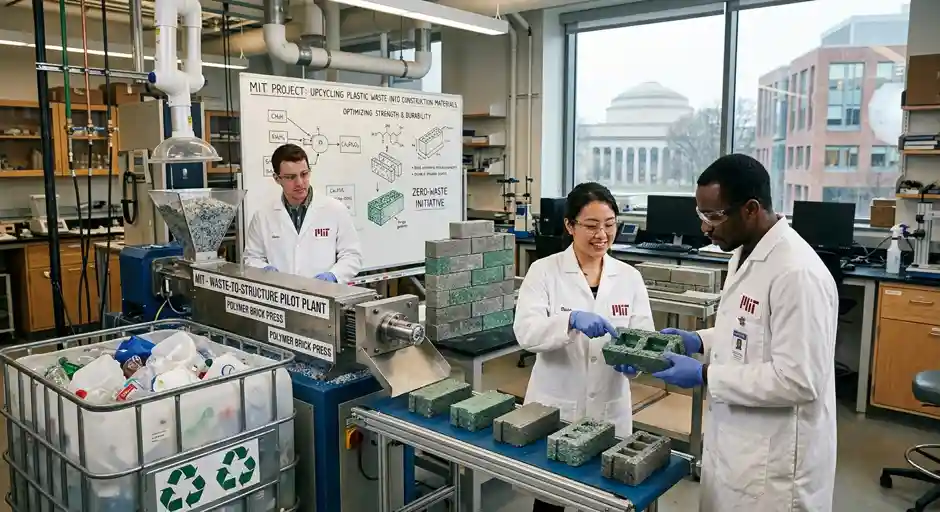
Plastic bottles and other single-use plastics usually have a short life. They may be used for minutes, but the material itself can remain in the environment for decades or longer. Researchers at MIT have been working on a very different destination for that waste: the structure of a building.
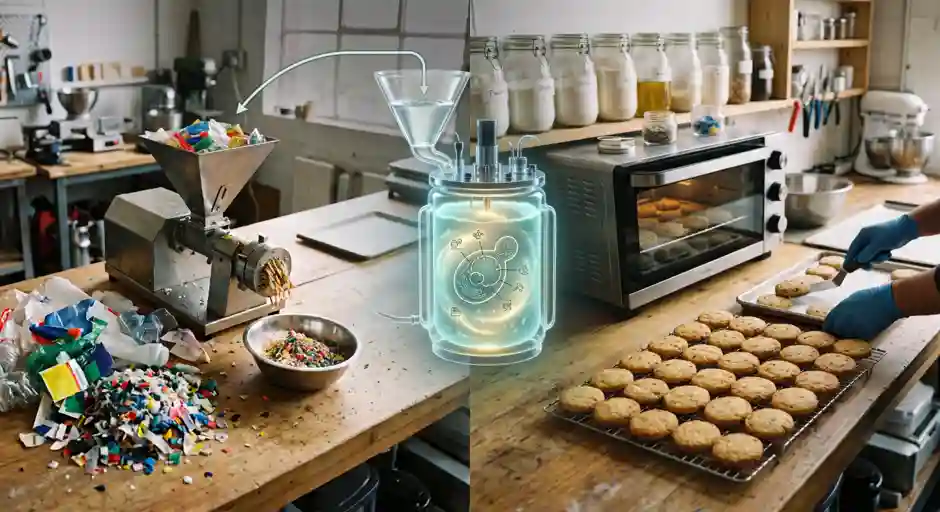
Their technology, now being commercialised by MIT spinout Atlas Building Composites, takes discarded plastic, processes it into a composite material and uses large-scale 3D printing to turn it into structural components for buildings and infrastructure. The process starts with plastic waste such as discarded bottles. The plastic is shredded and melted, but it isn’t used on its own. It is fused with fiberglass, which strengthens the resulting composite material. That composite can then be fed into a large robotic 3D printer. Instead of printing small objects like the desktop printers used by hobbyists, the system produces much larger components, including trusses for walls, floors and roofs, foundations, decks and other structural parts.
Why use 3D printing for something as large as a building component?
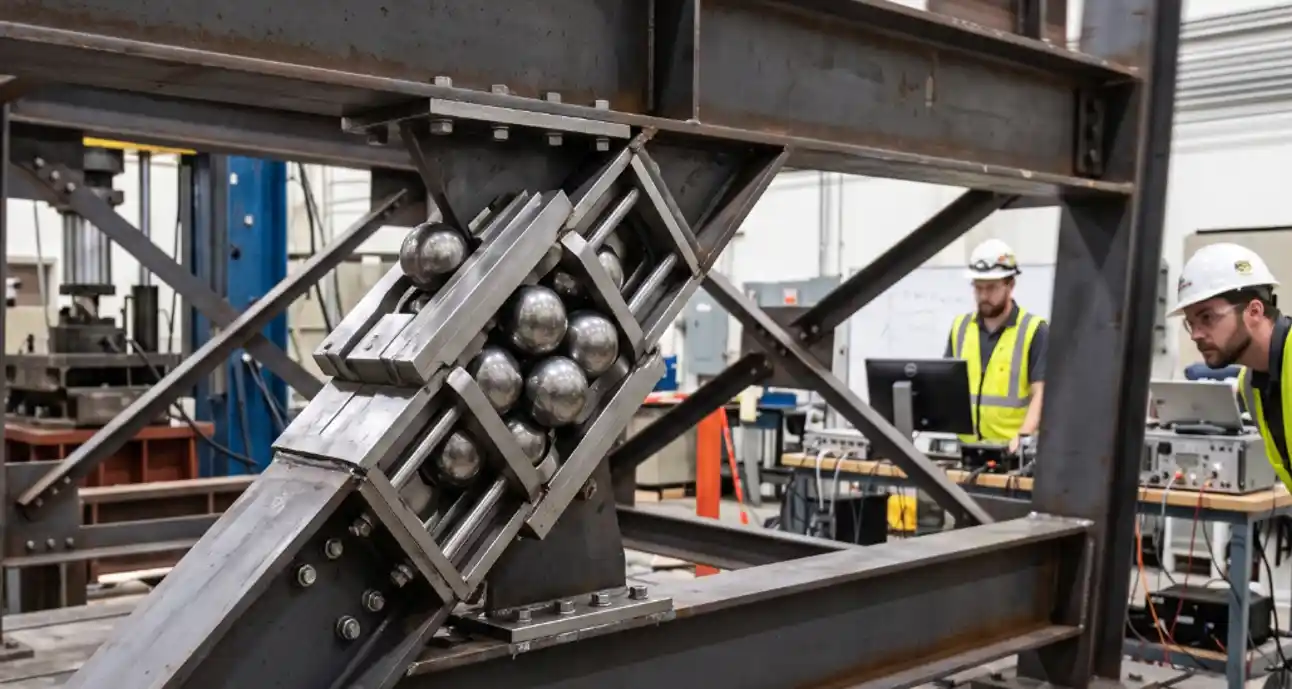
Because the printer can create large, complex shapes directly from the digital design without requiring a traditional factory full of moulds and specialised tooling. Atlas is also developing a waterless recycling process, which could make it easier to process lower-grade plastic waste in places where access to large amounts of water is limited. The technology has already moved beyond the laboratory. Atlas supplied recycled composite trusses for a 40-foot bridge in a Massachusetts wetland, built for the U.S. Army Corps of Engineers. The bridge was installed in less than a day. MIT researchers have also demonstrated large composite trusses that can be printed in under 13 minutes and support more than 4,000 pounds.
There is still a lot to prove before recycled plastic becomes a mainstream replacement for conventional construction materials. Buildings need materials that can remain reliable under changing temperatures, loads and weather conditions for decades. But the idea changes how we think about plastic waste. Instead of recycling plastic only to make another consumer product, the same waste could become part of something designed to last for decades, turning a material problem into a construction resource.
Sources: