What happens when the waste left behind after making olive oil is put back into the soil?
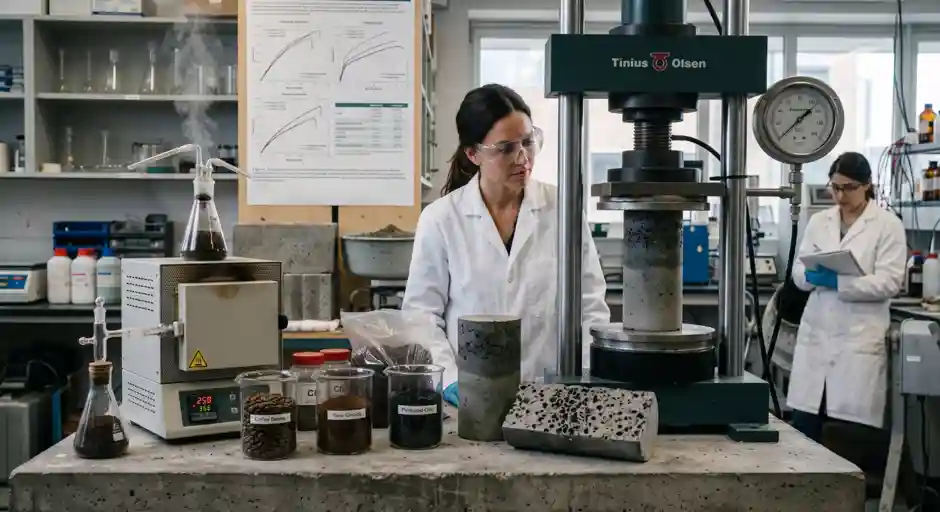
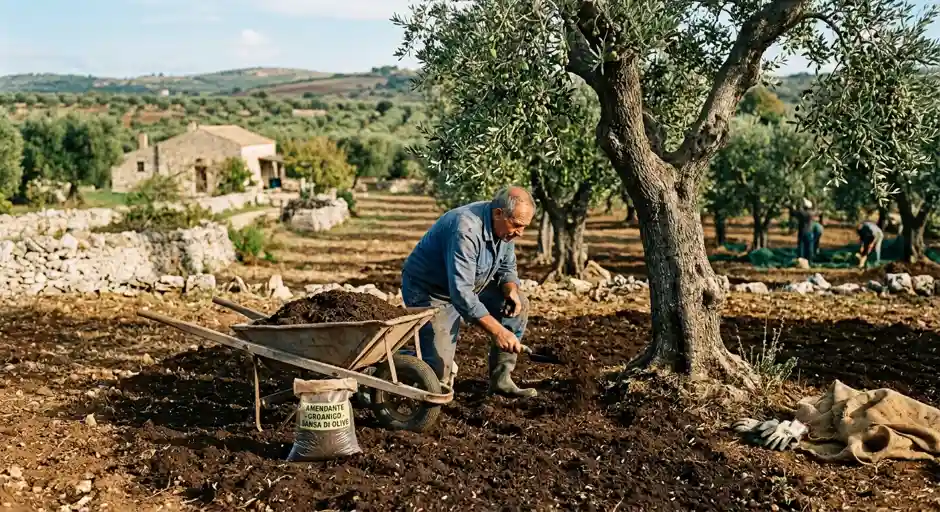
Scientists in Italy spent eight years testing exactly that. In an olive orchard near Assisi, researchers repeatedly added olive pomace, the solid residue left behind after olives are processed for oil, to some of the soil. They then compared it with nearby soil that received no pomace. The difference became striking over time.
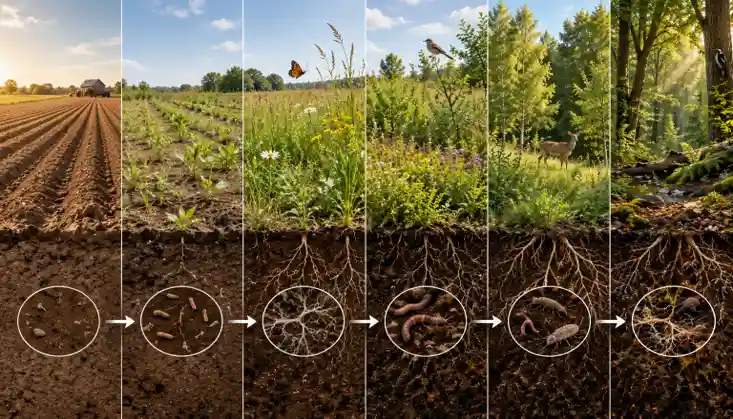
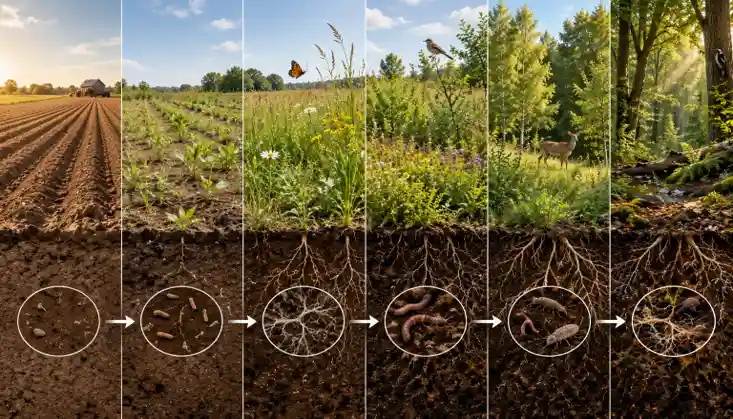
After eight years, the soil that had received olive pomace contained 4.51% organic matter, compared with just 2.47% in the untreated soil. But the researchers were interested in more than simply how much organic material had accumulated. They also wanted to know whether the soil’s biological processes had changed. Soil is not just a mixture of minerals. It is a living system filled with bacteria, fungi and other organisms that break down organic material and cycle nutrients. Many of the chemical reactions they carry out can be tracked through the activity of soil enzymes.
In the treated soil, several of these enzymes were much more active. β-glucosidase activity was about three times higher, while urease activity was about six times higher than in the untreated soil. Microbial and fungal biomass, soil respiration and the overall soil-quality index also increased. The result makes sense once you look at what olive pomace adds to the soil. The material contains organic compounds and nutrients that can serve as an energy source for soil microorganisms. As microbes break these compounds down, they become part of the soil’s nutrient and carbon cycles.
There was a potential concern, though. Olive pomace also contains salts and phenolic compounds, which can sometimes harm microorganisms or plants. After eight years of repeated application, however, the researchers found no detectable negative effect on the soil’s biological activity in this experiment. That does not mean olive waste can simply be dumped onto any farmland. The amount, composition of the waste, soil type and local conditions all matter.
But the study shows how an agricultural by-product can become something more useful: instead of leaving the production cycle as waste, olive pomace can return organic matter to the soil and support the living community beneath our feet.
Source: