What if, instead of searching for a naturally occurring virus that happens to kill a dangerous bacterium, scientists could systematically redesign these viruses to make them more useful?
That possibility has moved a step closer with a new genetic tool developed by researchers at the University of Otago in New Zealand. The method allows scientists to introduce mutations across bacteriophage genomes, identify which genes are essential for their survival, and even add new genetic material to the viruses. The work was published in Nature Microbiology.
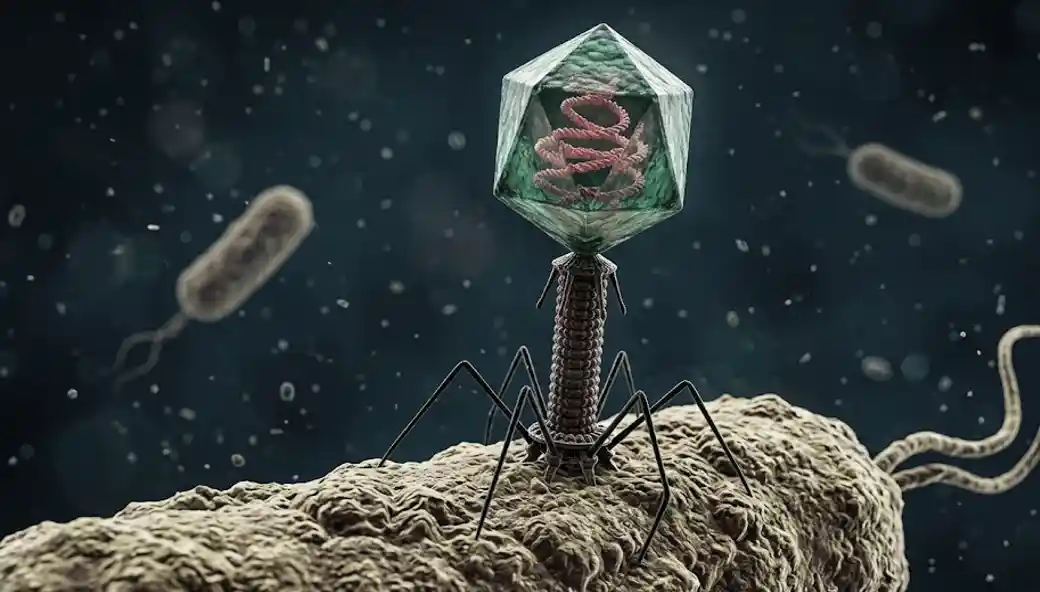
Viruses that attack bacteria Bacteriophages, or phages, are viruses that infect bacteria. They cannot reproduce on their own; instead, they use bacterial cells as hosts and, in many cases, eventually destroy those cells. That makes them interesting candidates for tackling antimicrobial-resistant bacteria, particularly when conventional antibiotics are becoming less effective. But there is a major problem: scientists still do not understand what many phage genes actually do. The genomes of these viruses can contain large numbers of genes whose functions remain unknown, making it difficult to predict which ones can safely be altered.
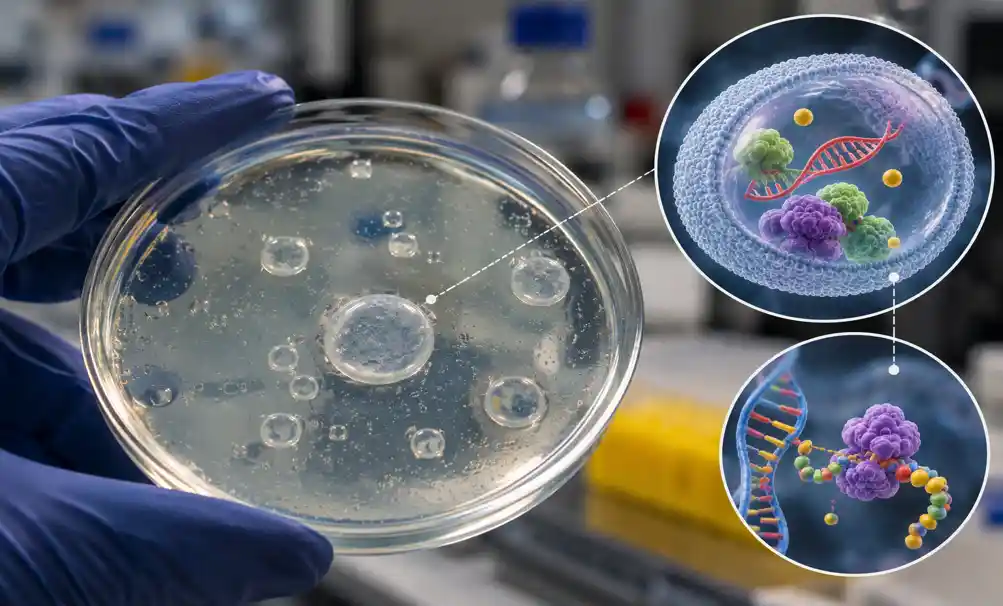
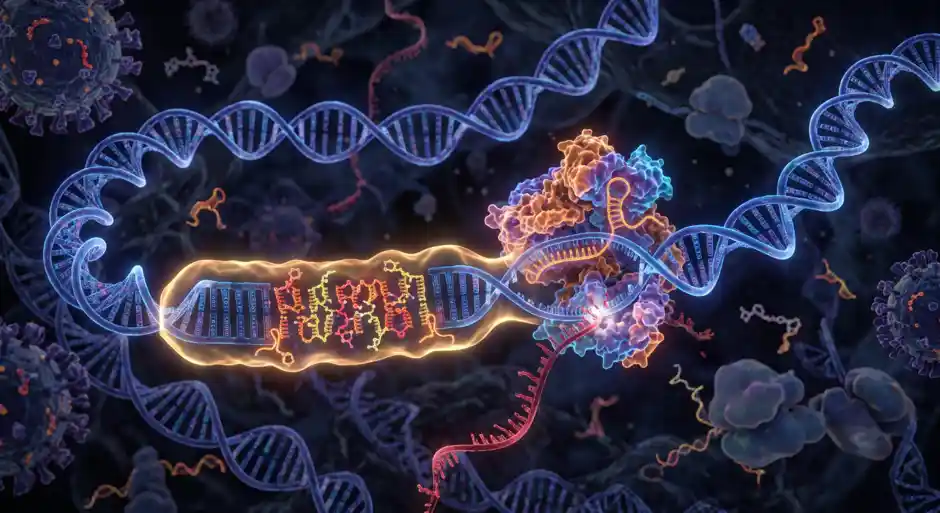
The new technique, called phage Tn-seq, is designed to address that problem. Mutating the phage genome. They combined Tn5 transposon mutagenesis, CRISPR-based selection and deep sequencing. A transposon is a mobile piece of DNA that can insert itself into a genome. When it lands inside a gene, it can disrupt that gene. By generating large numbers of these insertions and then sequencing the resulting phage populations, researchers can see which parts of the genome tolerate disruption and which ones do not.
If mutations repeatedly appear in a particular gene without stopping the phage from functioning, that gene is more likely to be non-essential. If disrupting it prevents the phage from surviving or reproducing, the gene is likely to be essential. They successfully applied the method to several different phages, including a jumbo phage that forms a nucleus-like structure inside its bacterial host. The resulting maps of gene essentiality were consistent with information from phage protein analysis and evolutionary conservation.
The transposon system was not only useful for breaking genes. They modified it so that it could carry additional genetic cargo into phage genomes. They demonstrated this by adding a fluorescent marker and alternative anti-CRISPR components.
The study also describes an artificial-intelligence-designed anti-CRISPR transposon system that enabled researchers to generate phage double mutants. That could eventually be useful for engineering phages with additional abilities. For example, bacteria can protect themselves from phages using a variety of defence systems.
Researchers could potentially equip therapeutic phages with genes that help them overcome some of these bacterial defences. This could be particularly relevant to biofilms, where bacteria form protective communities on surfaces such as medical implants and devices.
The study does not show that these engineered phages can already treat antibiotic-resistant infections in humans. The major achievement is the development of a more systematic way to understand and engineer phage genomes. In the future, that could make it easier to design phages with properties suited to particular bacterial infections.
For now, they have essentially given phage biology a new toolbox: instead of treating these bacteria-killing viruses as mysterious packages of genes, we can begin testing their genomes systematically, identifying what each part does and exploring which components can be redesigned. And when antibiotic resistance keeps giving bacteria new ways to survive, having a faster way to redesign one of their natural viral enemies could become increasingly valuable.
Sources: