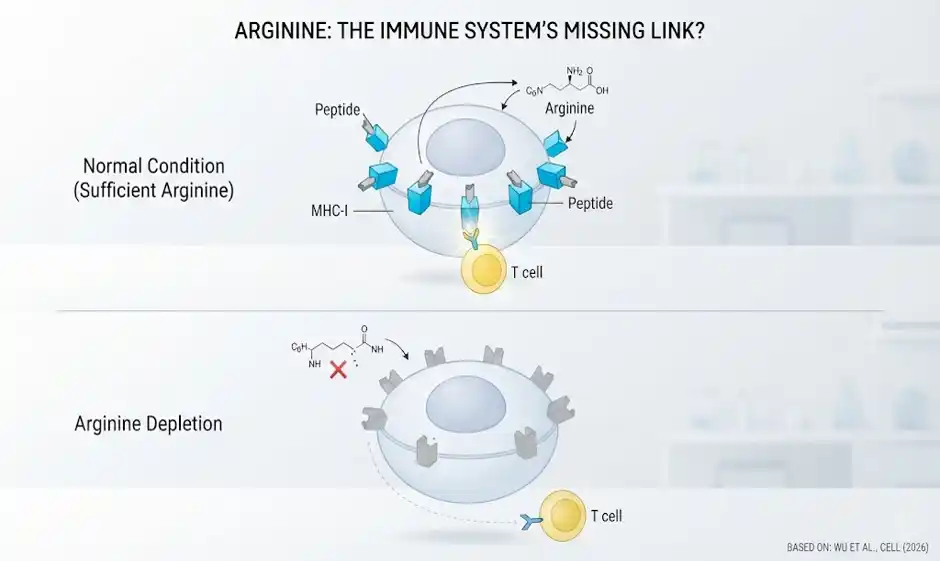
When it comes to fighting off nasty intruders like cancer or viruses, our bodies have a built-in surveillance system that works 24/7. Think of your immune system like a high-tech security team; their job is to sniff out trouble, identify the bad guys, and neutralize the threat. But what if …
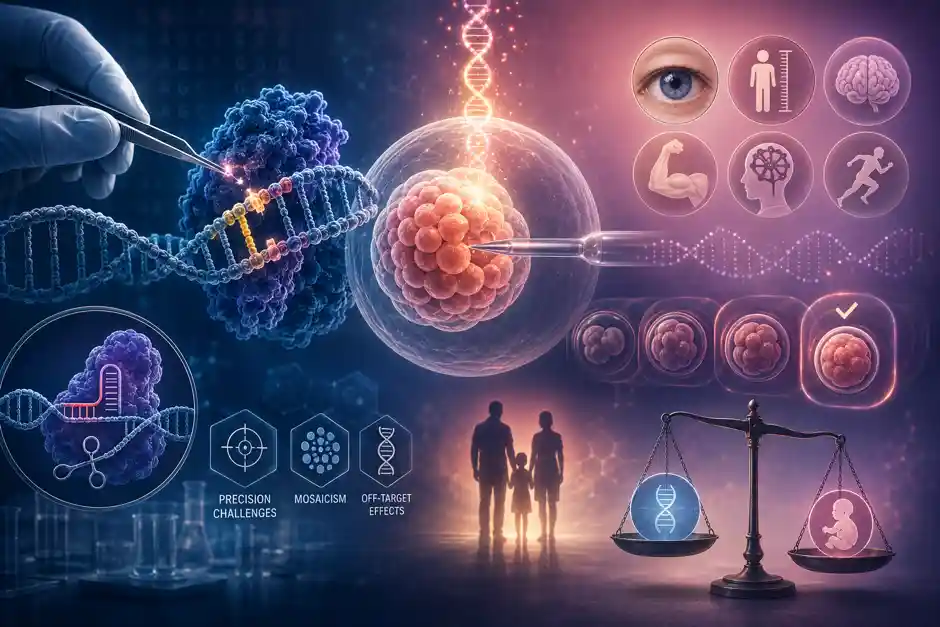
The idea of a “designer baby” once sounded like science fiction: choose a baby’s eye colour, height, intelligence, or athletic ability before birth. Today, advances in CRISPR gene editing, embryo screening, and reproductive genetics have made the concept feel much less imaginary. But how close are we really to creating …
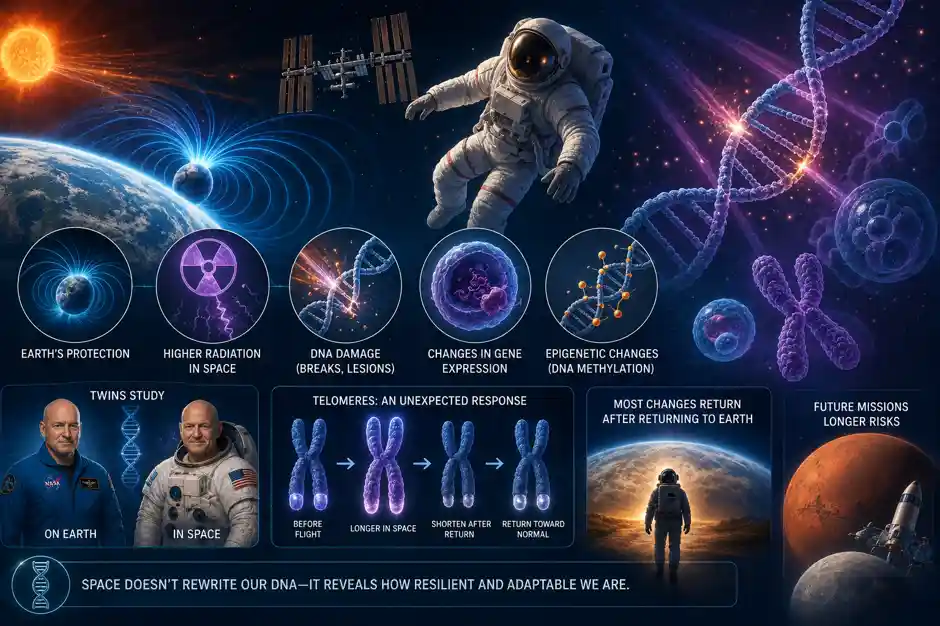
Space may look empty and peaceful from Earth, but for the human body, it is an extreme environment. Astronauts face microgravity, isolation, disrupted sleep, and perhaps most importantly, higher exposure to space radiation. Scientists have therefore been asking a fascinating question: What happens to our DNA when we leave Earth? …
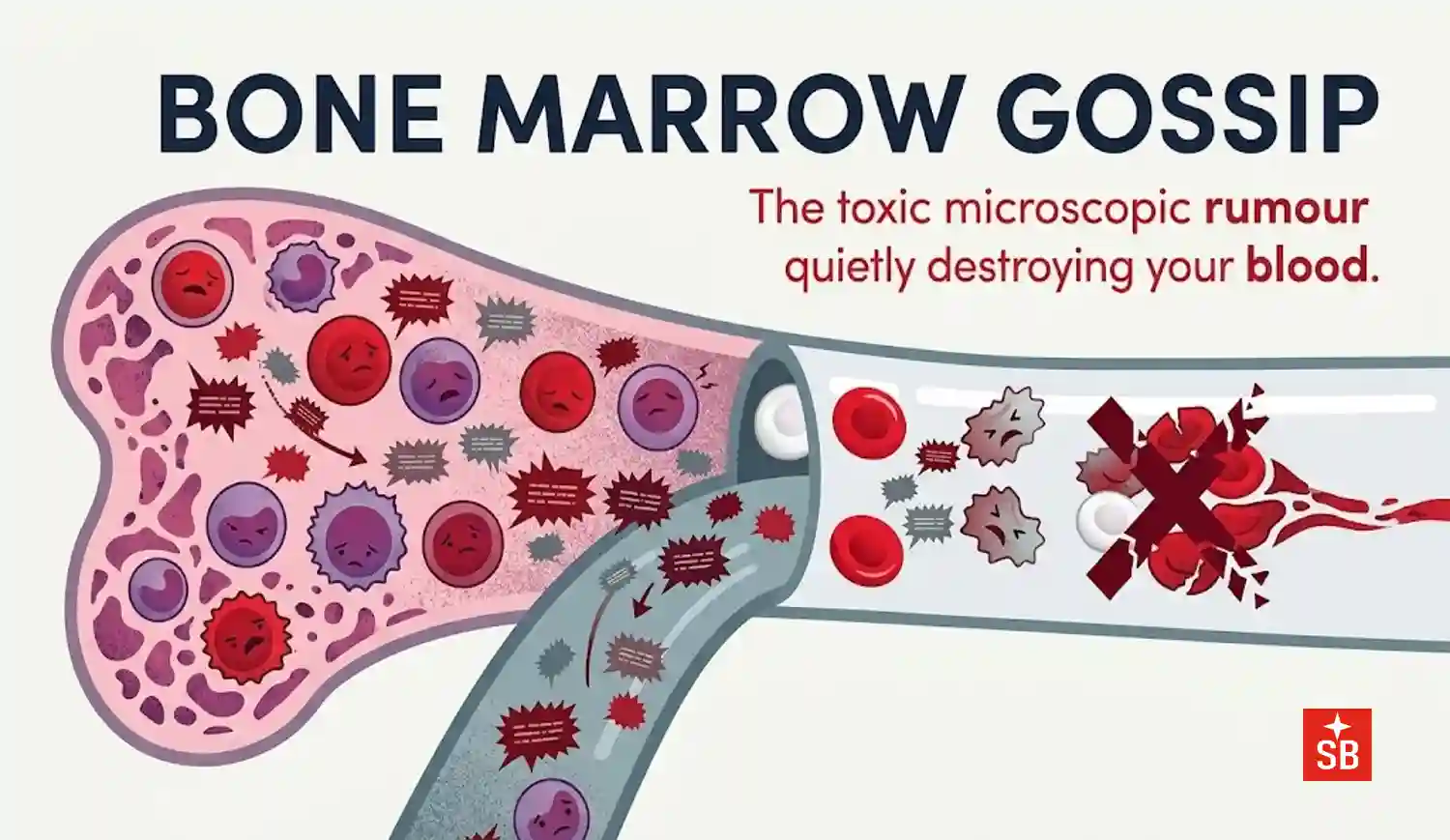
Deep inside the dark, hollow centres of your bones lies a microscopic metropolis. This is your bone marrow, a high-tech factory working 24/7 to pump out trillions of fresh, energetic blood cells that keep you alive. In this bustling city, the real heroes are the structural “maintenance workers” known to …
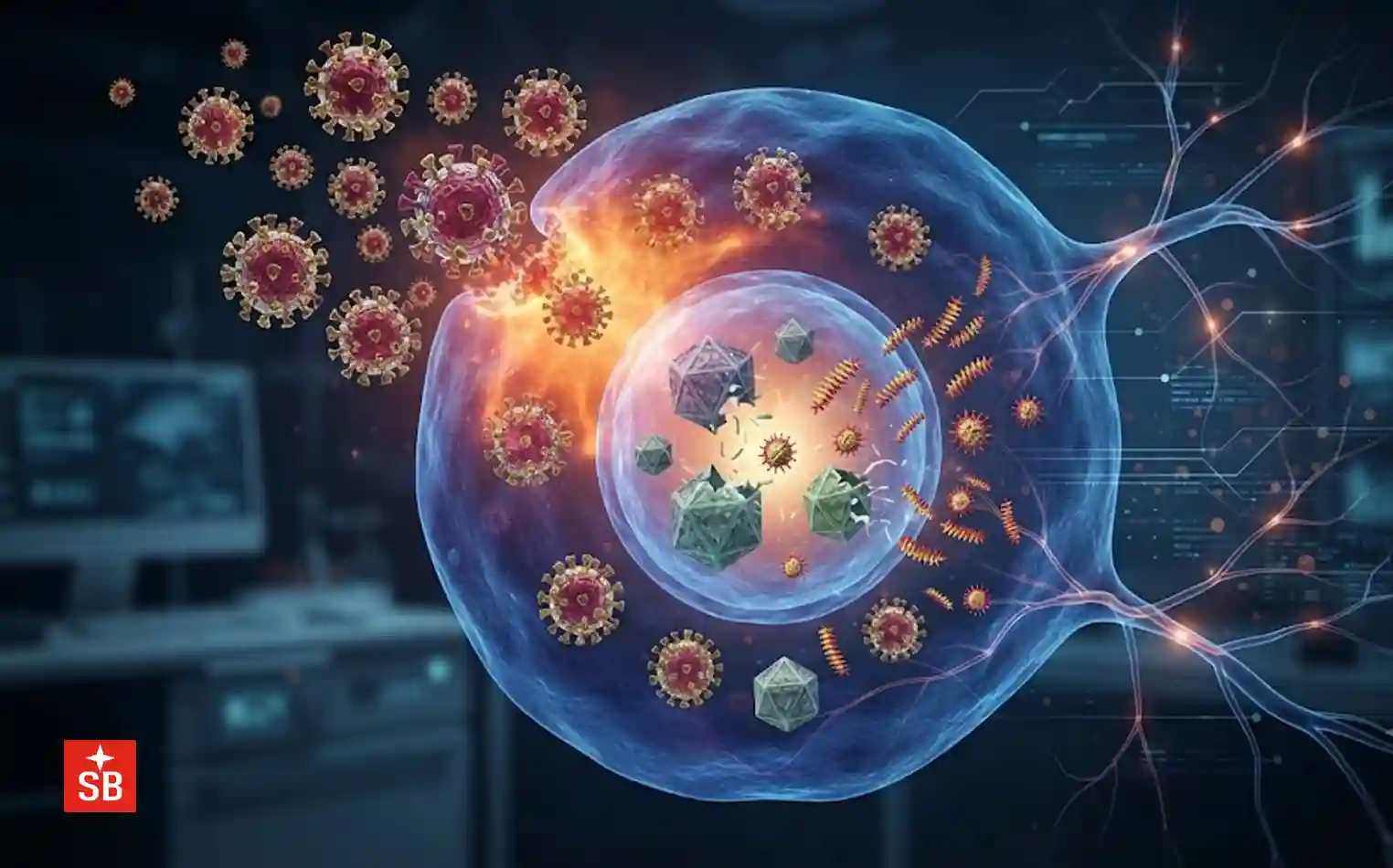
A landmark study published this week in the journal Nature has revealed that Long COVID-19 infections can “awaken” dormant viruses that typically remain harmless in the human body. The findings offer new, potential clues into the biological drivers of Long COVID and challenge long-held beliefs about why these latent viruses …
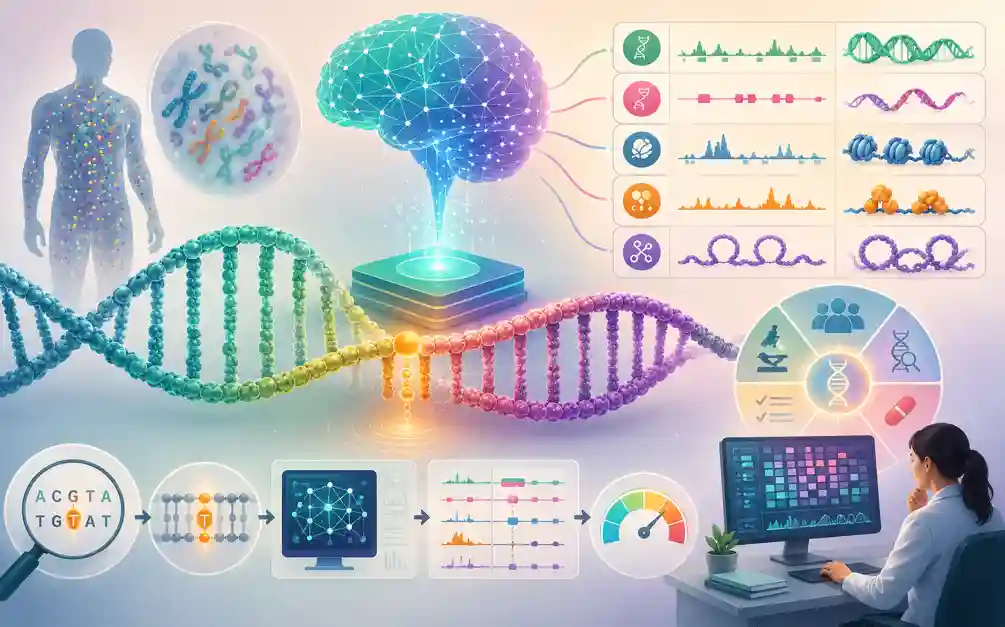
The human genome contains more than 3 billion DNA letters, and no two people have exactly the same sequence. Each person carries millions of genetic variations, most of which are harmless. But a small number can increase the risk of diseases such as cancer, heart disease, or rare inherited disorders. …
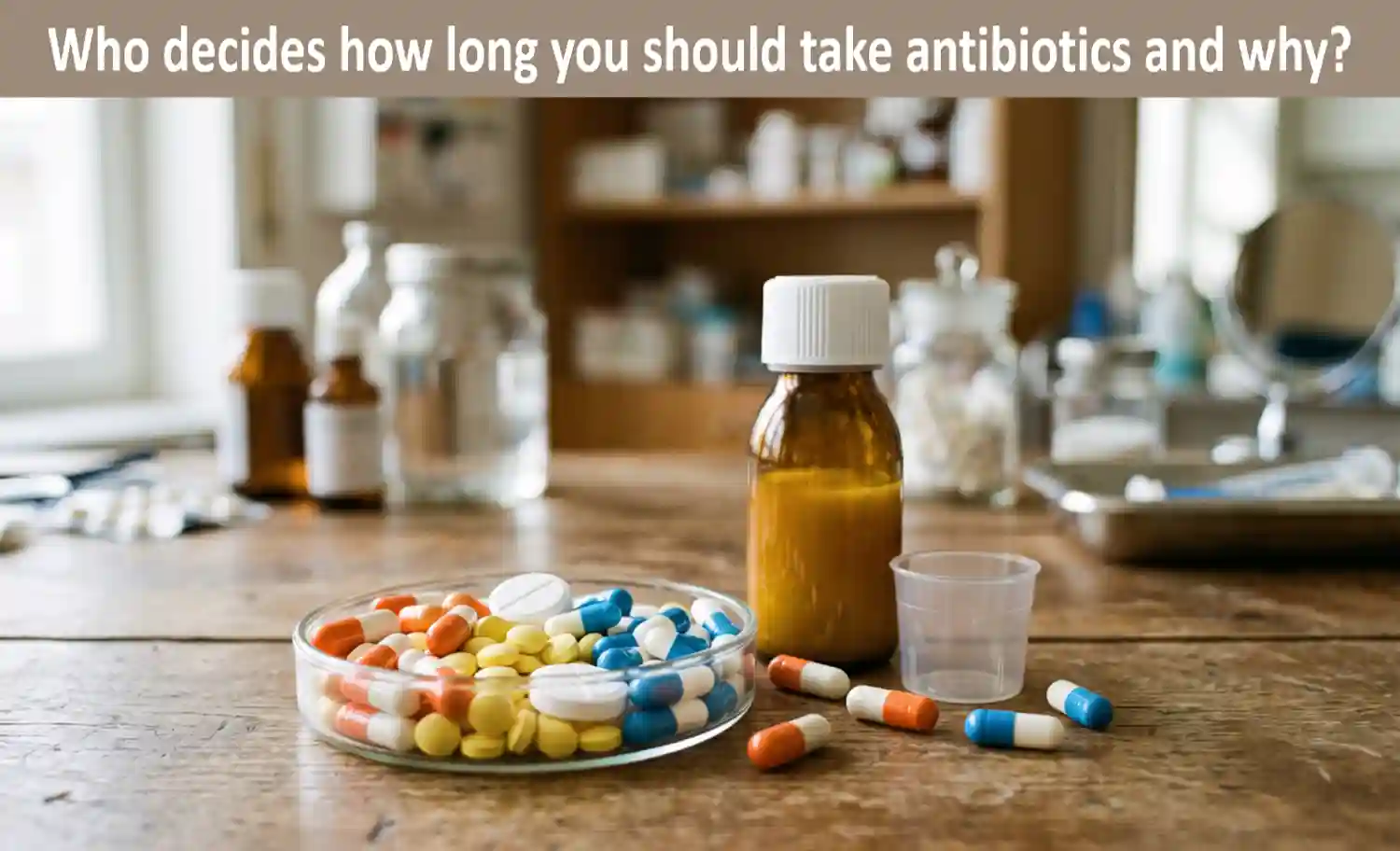
Two people can walk out of the same clinic with two very different antibiotic schedules. One may be asked to take tablets for five days, while another may need them for two weeks. If both medicines kill bacteria, why aren’t the treatment durations the same? The answer depends on the …
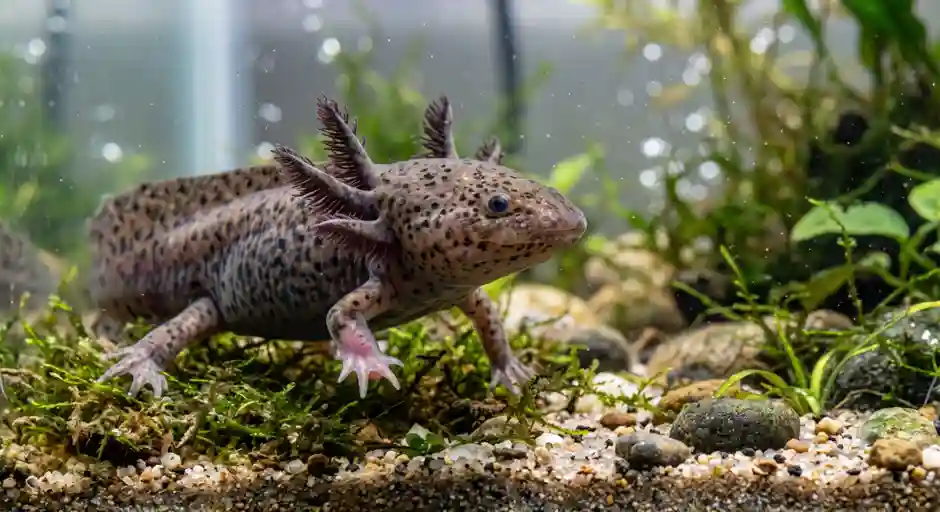
Losing an arm and watching it grow back over the next few months, complete with bones, muscles, nerves, blood vessels, and skin, sounds like science fiction for humans. For salamanders, it is simply part of life. Their bodies seem to carry a biological repair manual that humans have largely lost. …
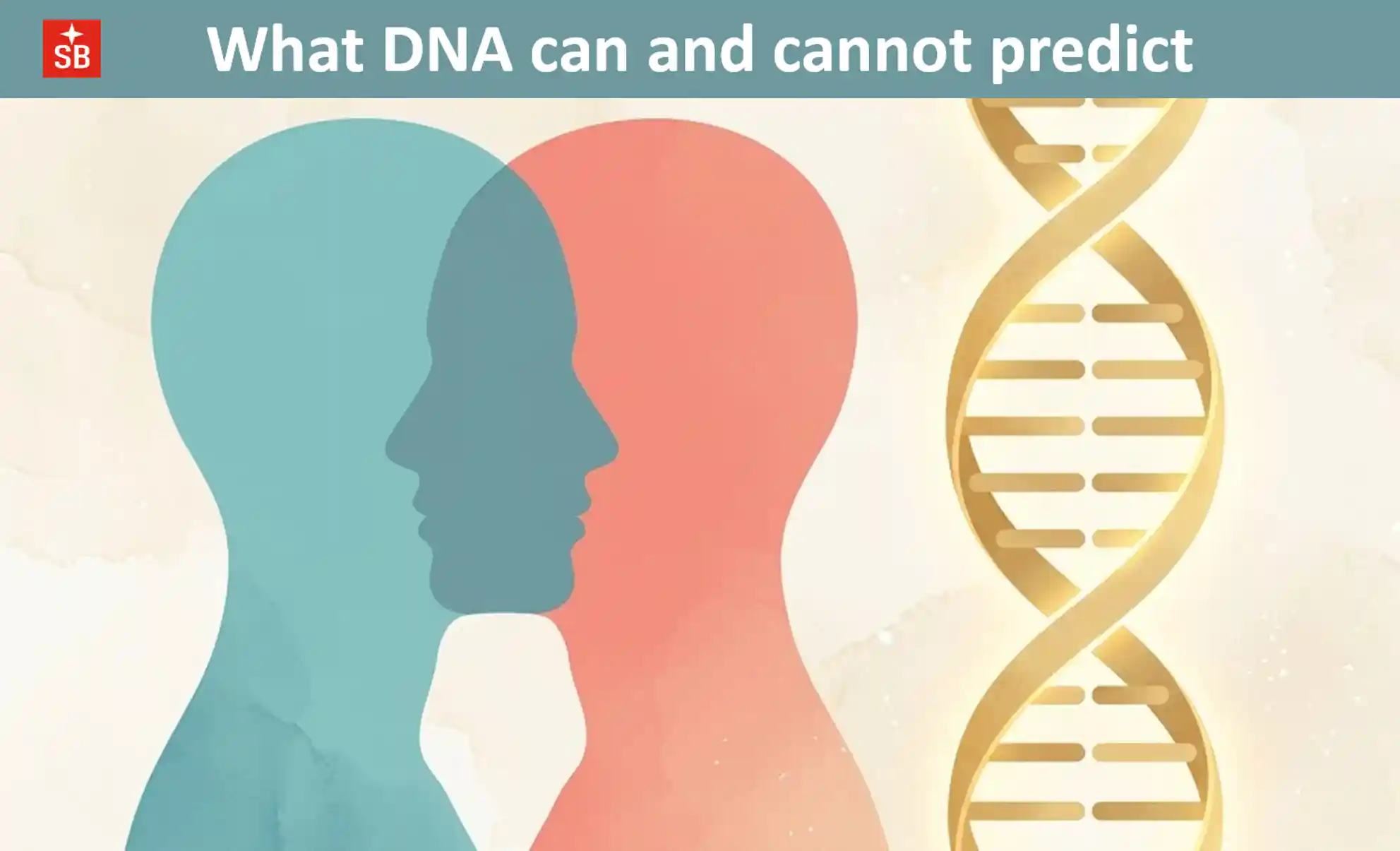
Mental illnesses such as depression, anxiety, bipolar disorder, and schizophrenia often run in families. If a parent or sibling has one of these conditions, it is natural to wonder, “Are mental illnesses inherited? Could a genetic test reveal whether you will develop one in the future?” These are questions that …
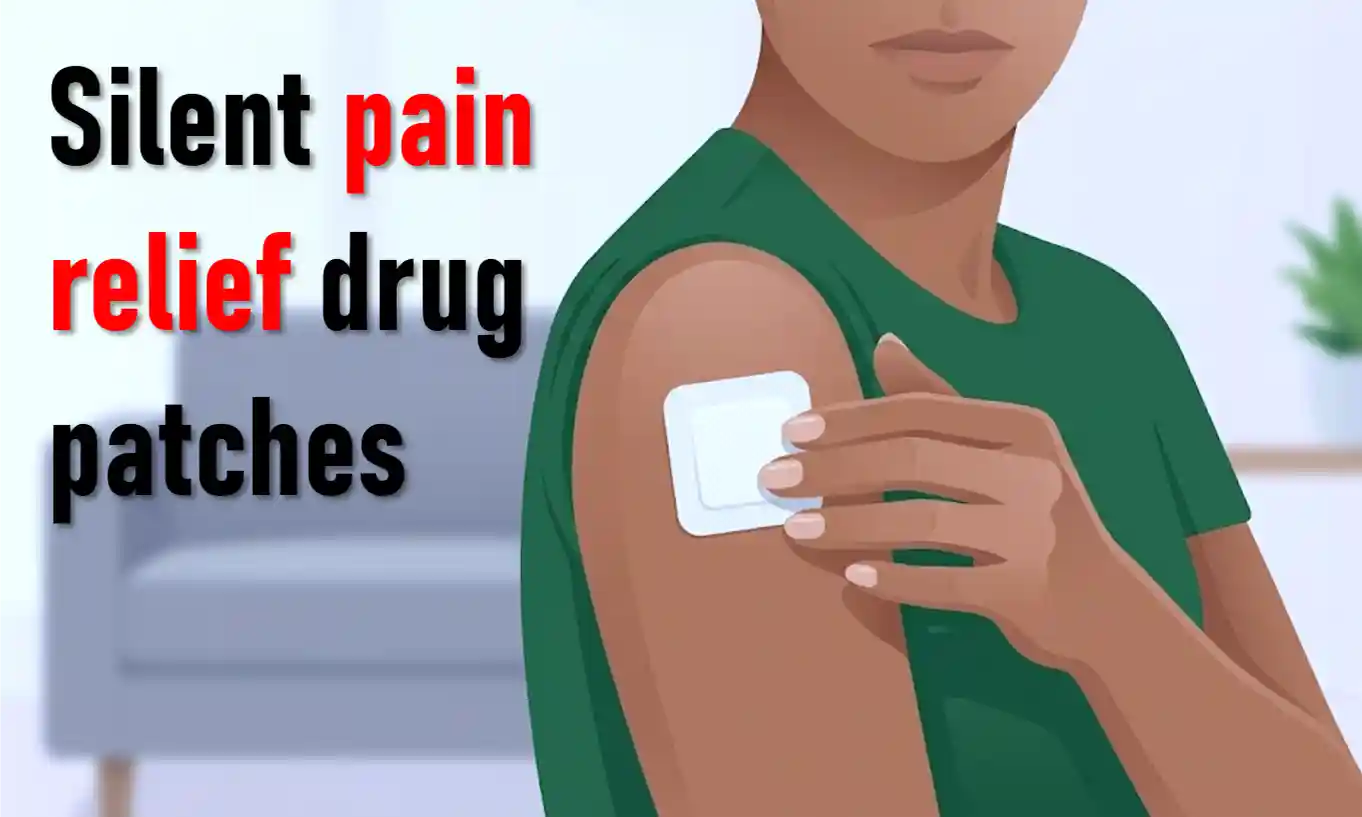
A patient twists in terrible pain on a hospital bed. The cancer pain is a raging beast, chewing through every nerve like a relentless predator. Every few hours, a nurse rushes in with a crushing pill. The patient swallows it, but their stomach is already raw from chemotherapy, triggering a …

A tree may never wave at you or cry out in pain, yet it is far from silent. Every leaf, root, and flower is busy collecting information from the world around it. A plant is like a living weather station, a chemical factory, and a communication network, all rolled into …
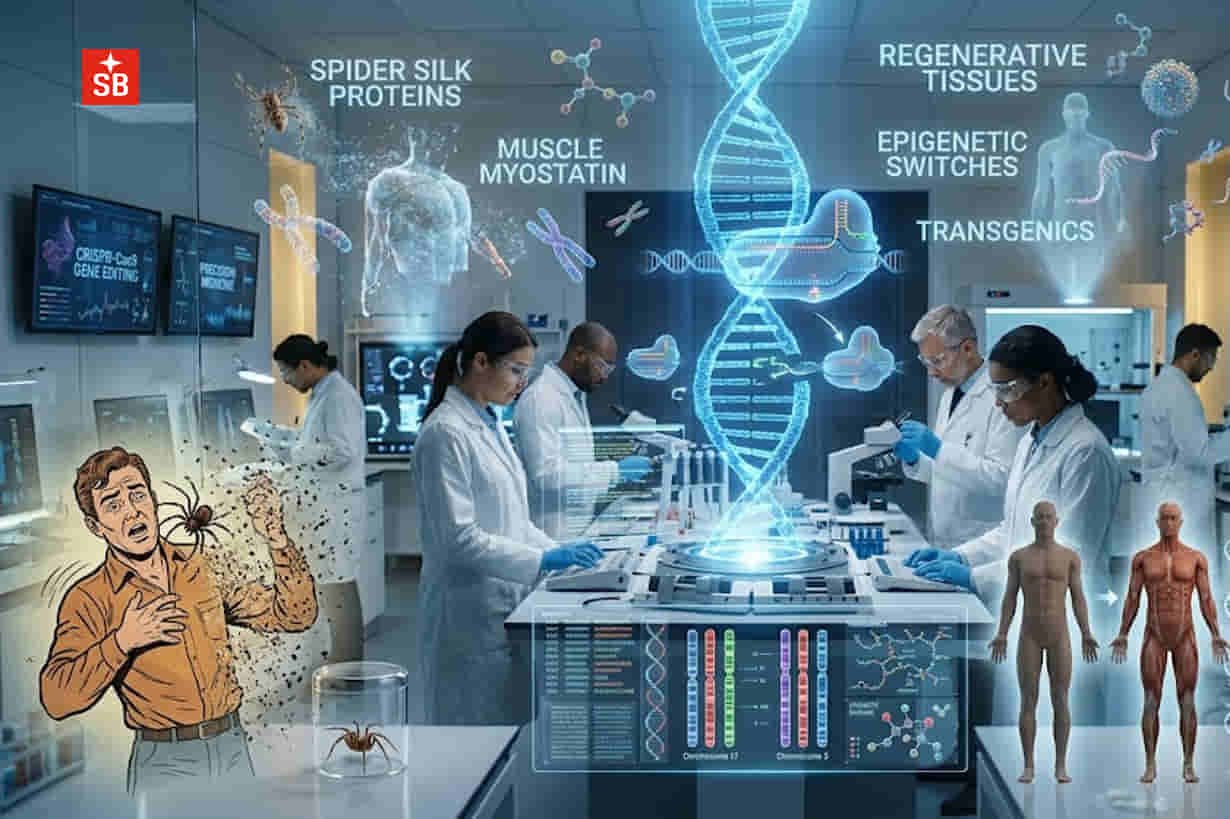
Comic books taught us that one spider bite could turn an ordinary person into a superhero. Reality tells a very different story. A spider’s bite is far more likely to bring pain, swelling, or a visit to the hospital than super strength or web shooting. The real superhero factory is …
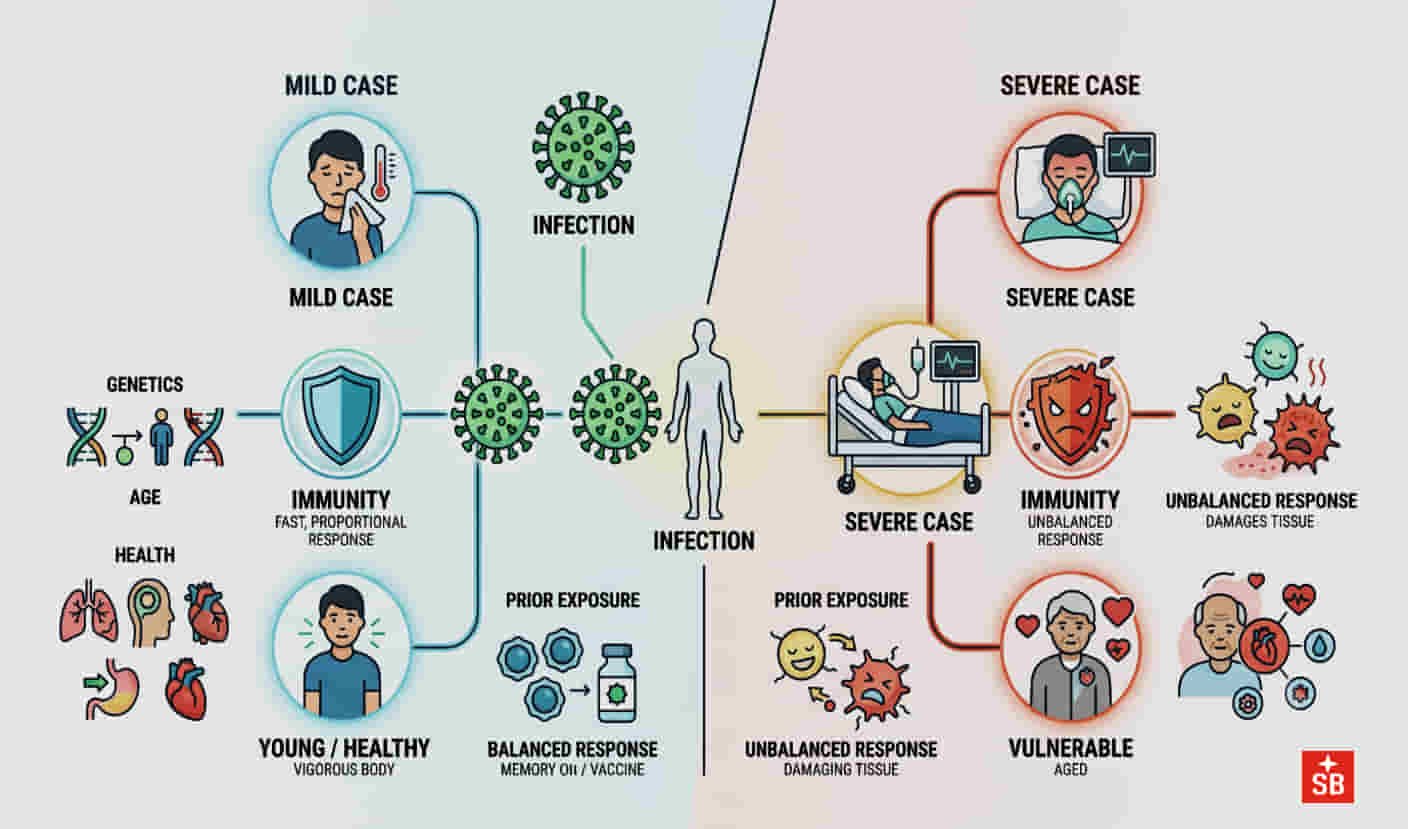
A virus may enter two people through the same door, yet it can write two completely different stories. One person may have only a mild fever and be back at work in a few days, while another may become seriously ill and need hospital care. How can the same tiny …

A tiny scratch on your skin disappears in a few days. A cut heals, a fever settles, and your body gets back to work as if nothing happened. It almost feels like your body is a tireless mechanic fixing a giant machine every second. So, why does this amazing repair …
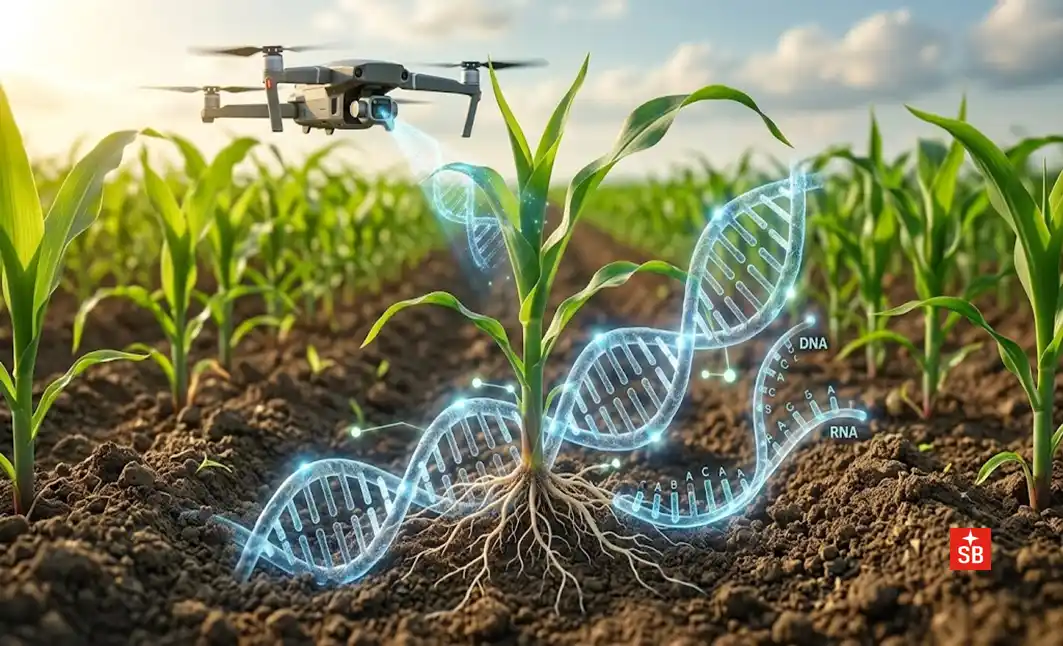
For generations, farmers have looked at crops with their eyes. A greener leaf, a taller plant, or a bigger ear of maize often meant a better harvest. But nature has always been writing a secret story beneath the leaves, one invisible to the human eye. Inside every plant, thousands of …
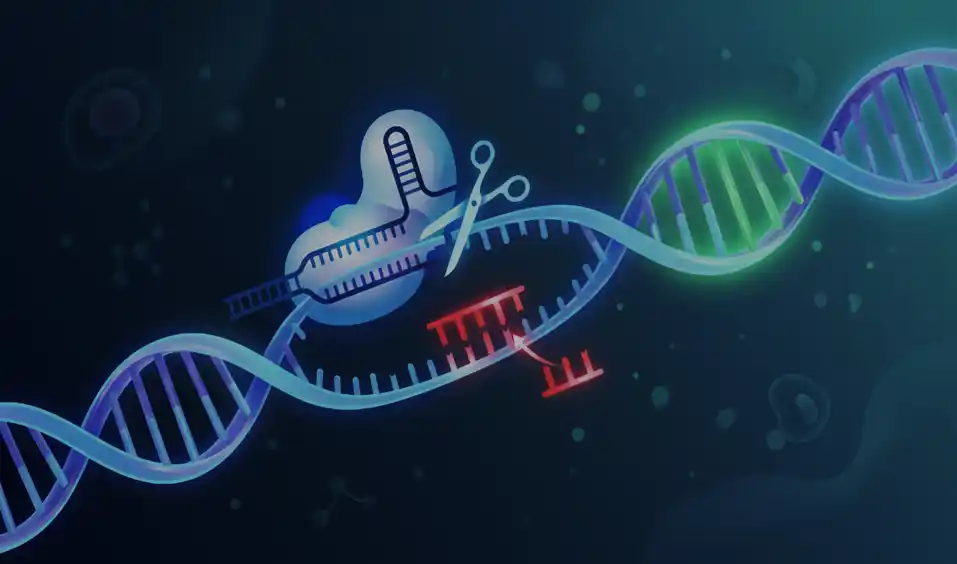
For years, treating many diseases has been like mopping up water from a leaking roof without repairing the hole. Doctors could ease pain, control symptoms, or slow the illness, but they could not fix the real problem hidden deep inside our genes. Now, science is opening a new door. CRISPR …
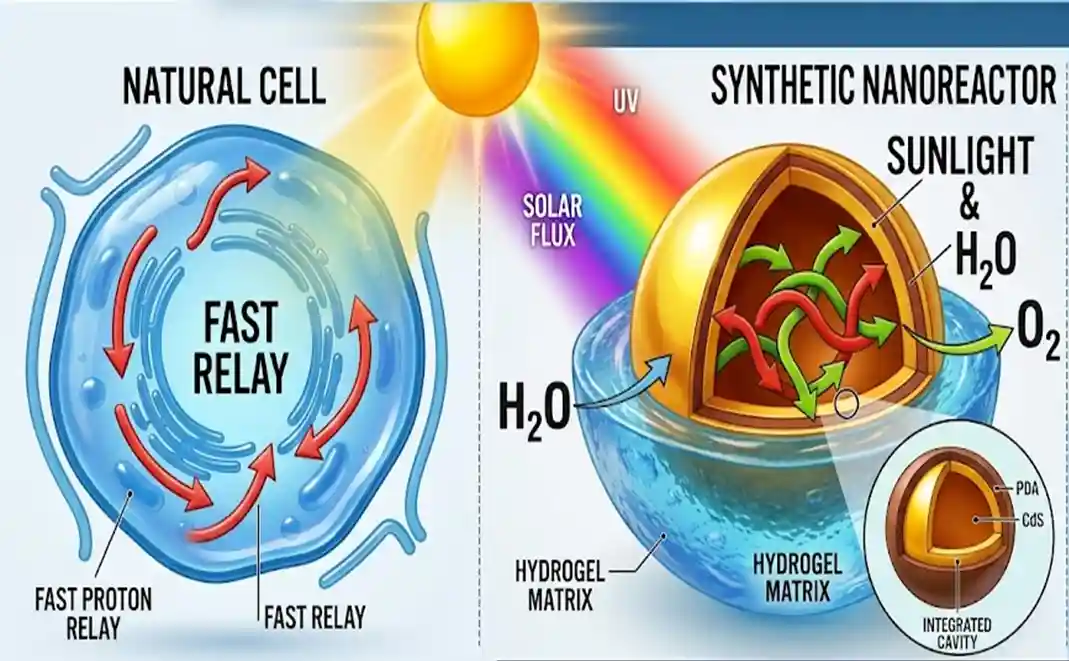
Every leaf on Earth performs a miracle every day. Using nothing more than sunlight, water, and an intricate network of molecular machinery, plants transform solar energy into chemical energy with astonishing efficiency. For many years scientists have attempted to copy this biological masterpiece, but managing to replicate the elegant sequence …
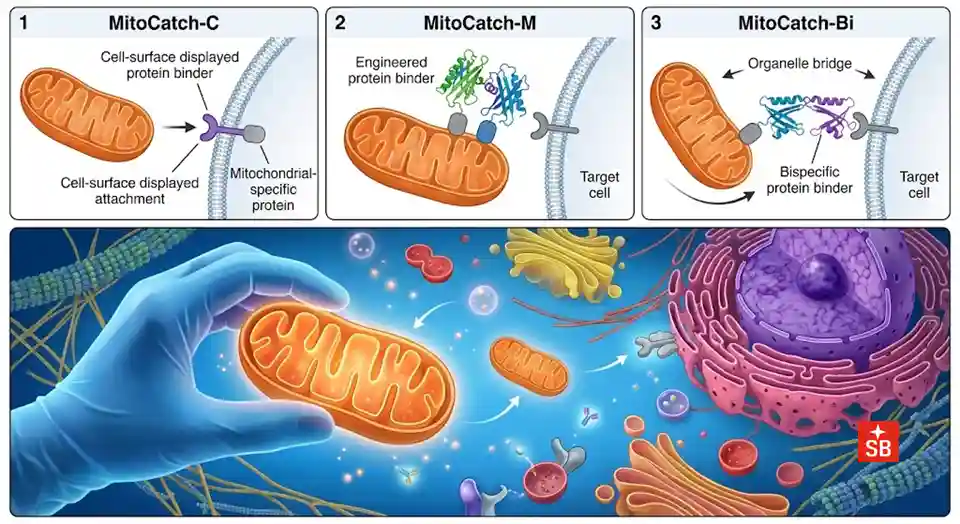
Every cell in our body has tiny structures called mitochondria, often known as the “powerhouses of the cell.” They work like miniature power stations, producing the energy needed to keep our organs alive and active. But when these power stations fail, the whole city slows down. Diseases such as Parkinson’s …
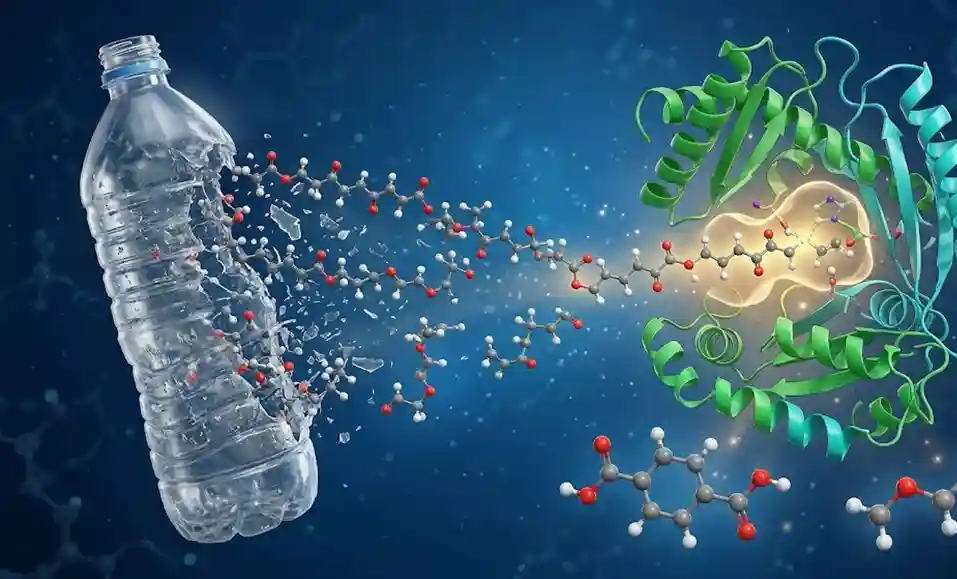
Plastic is everywhere, but once it is thrown away, it often becomes a stubborn guest that refuses to leave. Every year, millions of tonnes of plastic pile up in landfills and oceans, silently choking nature. Even recycled plastic usually gets a second life as lower quality products like flower pots …
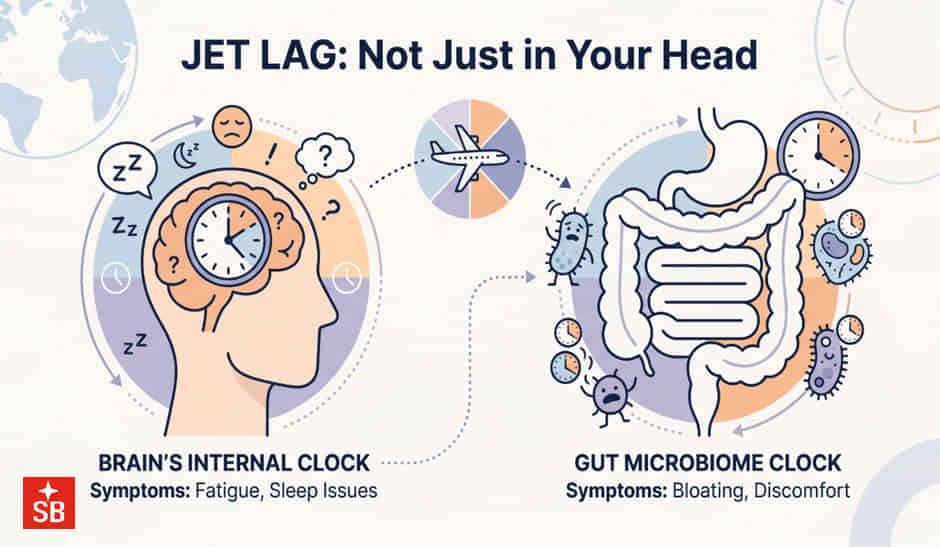
Health travels with you, but so do your daily habits. Stepping out of a long international flight can feel like walking through a thick fog. Your eyes feel heavy, your stomach feels strange, and your energy seems to have missed the flight. Most people blame only jet lag, but there …
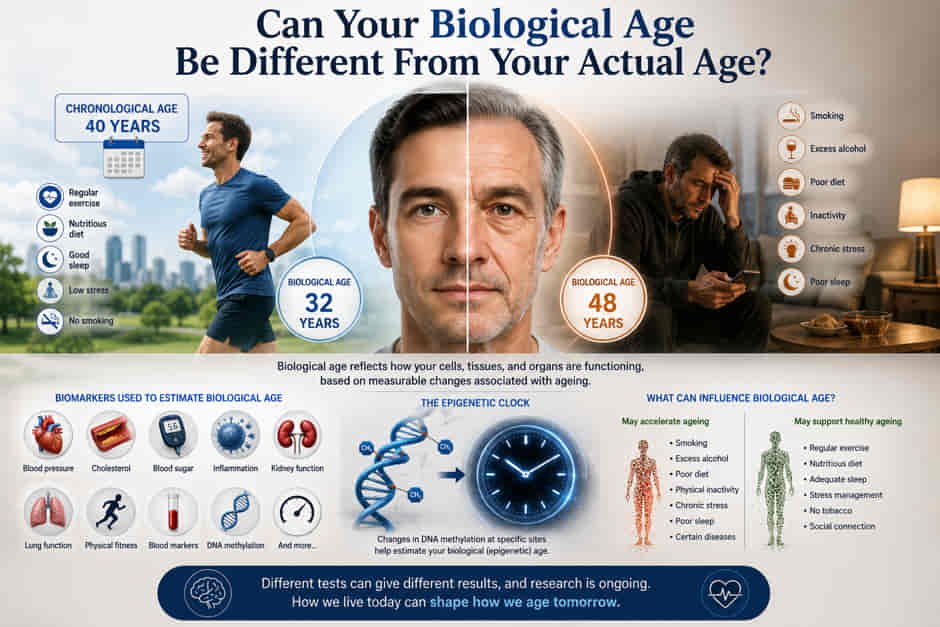
“Age is just a number,” people often say. Science agrees, but only partly. Imagine two friends who are both 40 years old. One climbs stairs like a teenager, while the other feels tired after a short walk. They share the same birthday count, yet their bodies seem to tell different …
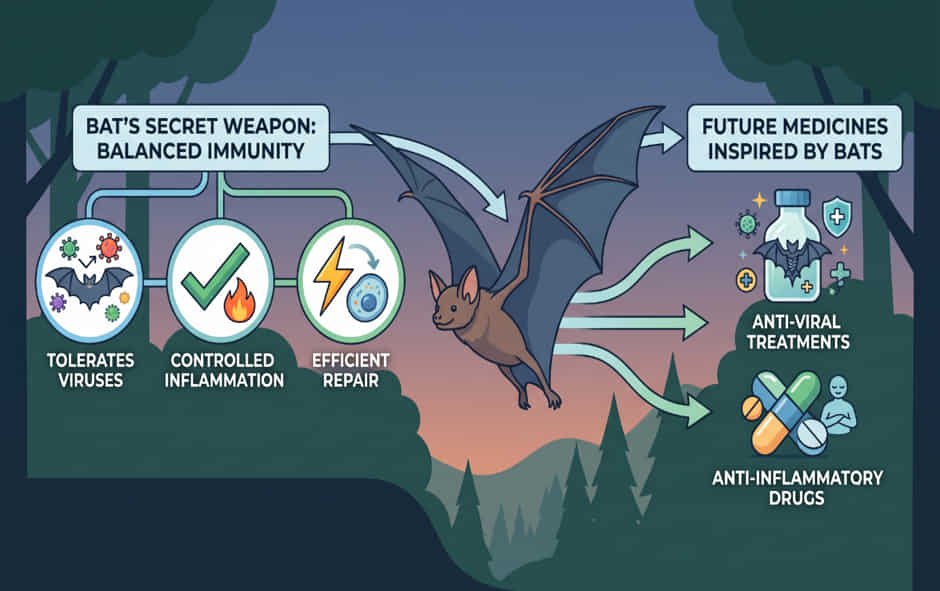
Most people think of bats as creatures that bring only fear. But what if these night fliers are actually carrying a secret that could help save human lives? As the saying goes, “Do not judge a book by its cover.” Bats may look mysterious, yet they could be nature’s hidden …
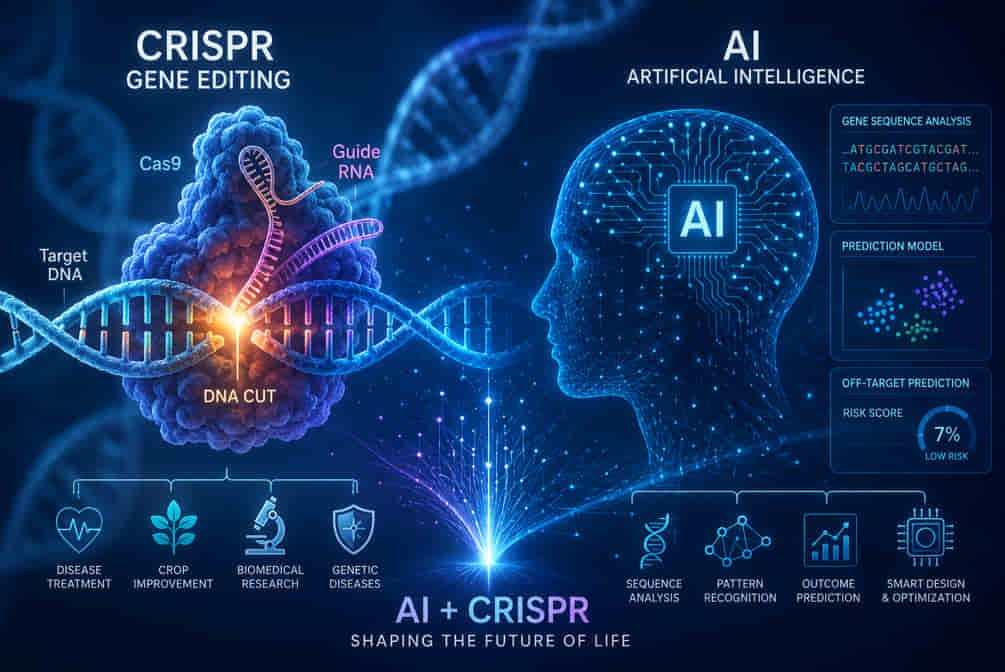
Imagine trying to fix a single spelling mistake in a book with millions of letters. One wrong move could change the meaning of an entire chapter. That is exactly the challenge scientists face while editing our DNA. For years, CRISPR has been called the “molecular scissors” of biology because it …
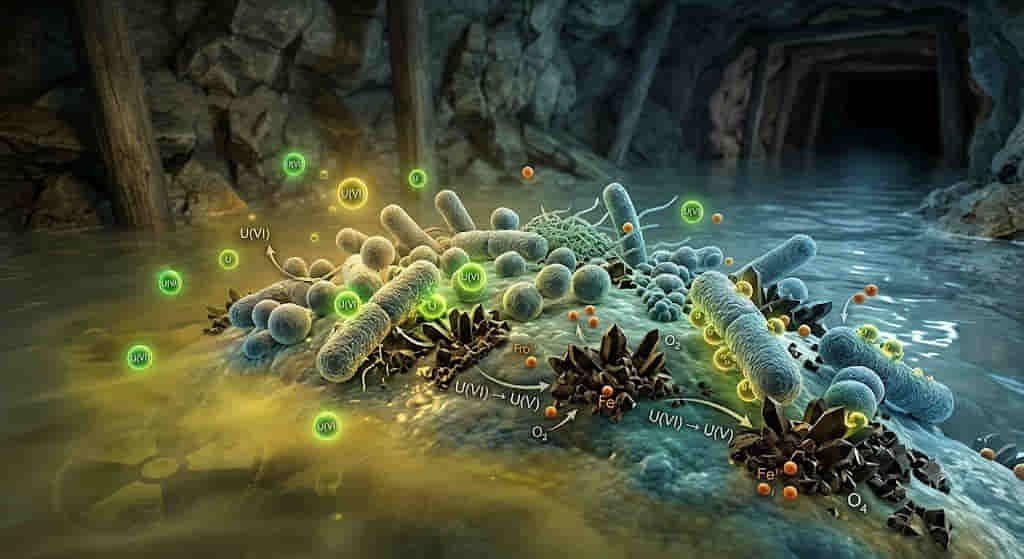
Imagine hiring a cleaning team to remove one of the world’s most dangerous pollutants, only to discover they have been working for free for years. It sounds like a science fiction movie, but it is happening deep below the ground in Germany. Nearly 2,000 metres beneath the Earth’s surface lies …
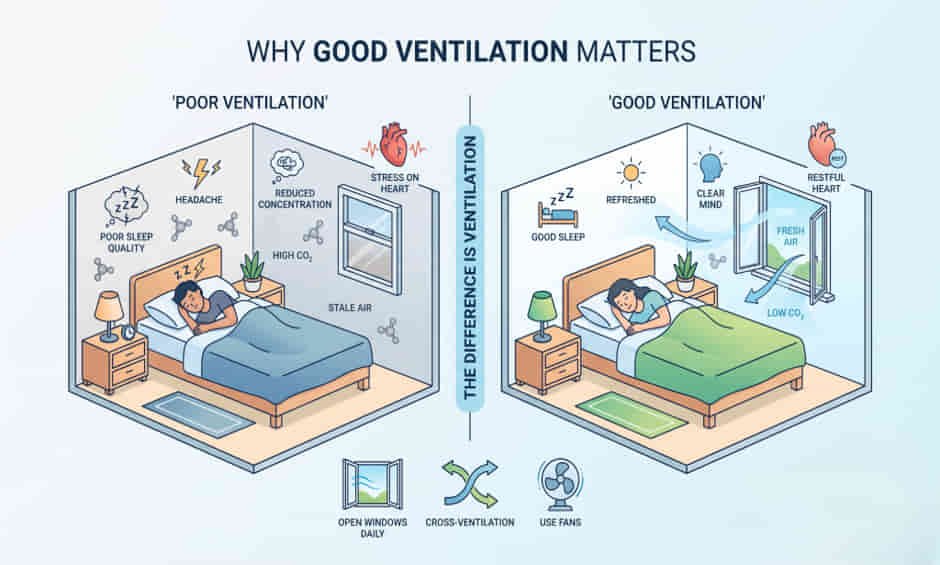
Have you ever walked into a closed room and felt that the air was “heavy”? It may seem like nothing, but your room could be quietly asking for a breath of fresh air. We often worry about pollution outside, from traffic, smoke, and dust, yet we forget that the air …