3D printing can turn a digital design into a physical object in just a few hours. But the process can also leave behind a surprising amount of plastic: failed prints, support structures, and material pushed out while changing colours or starting a print.
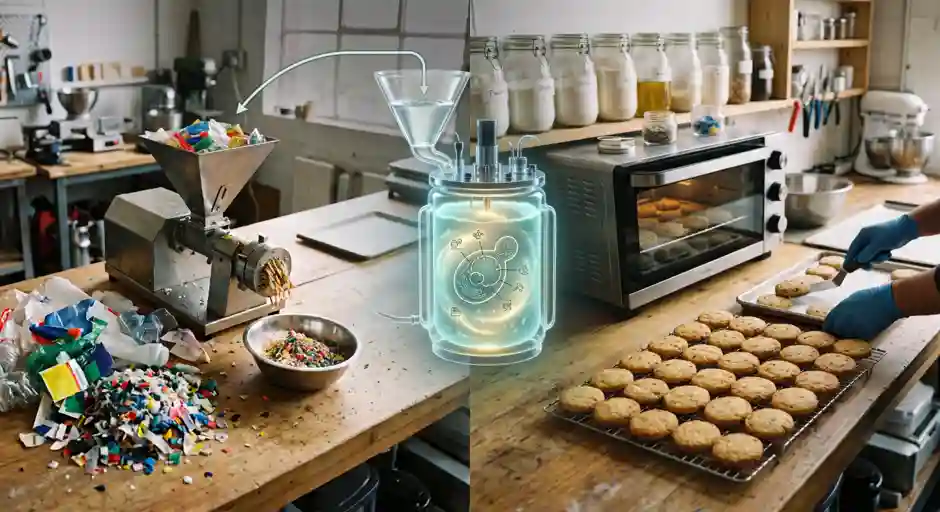
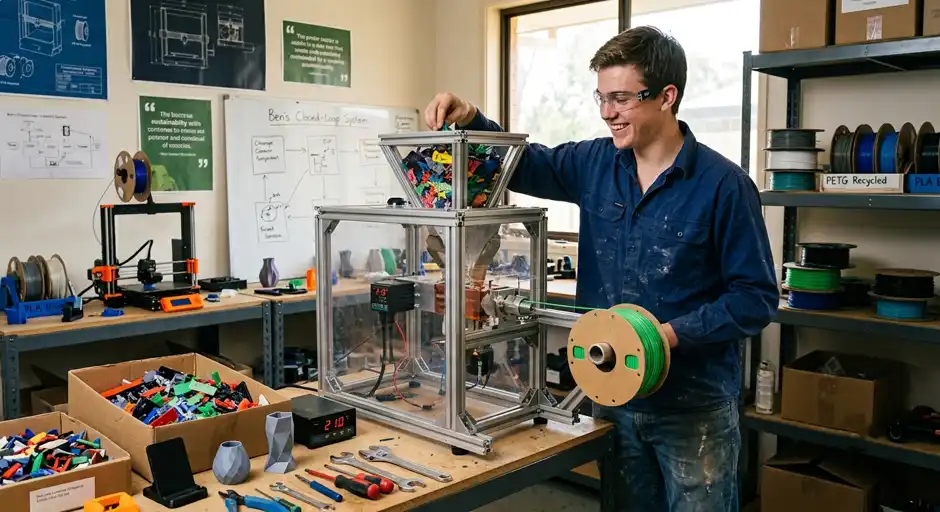
Sixteen-year-old Benjamin Davis from Massachusetts wanted to find a way to put that plastic back to work. His solution was a compact desktop machine that turns discarded plastic into new filament, the long, thin material that 3D printers use to create objects. The basic idea sounds simple: heat plastic until it softens, push it through a machine, and form it into a continuous strand. But producing filament that is consistent enough for 3D printing is much harder. The material needs to have the right diameter and quality, or the printer may not feed it properly or produce reliable objects.
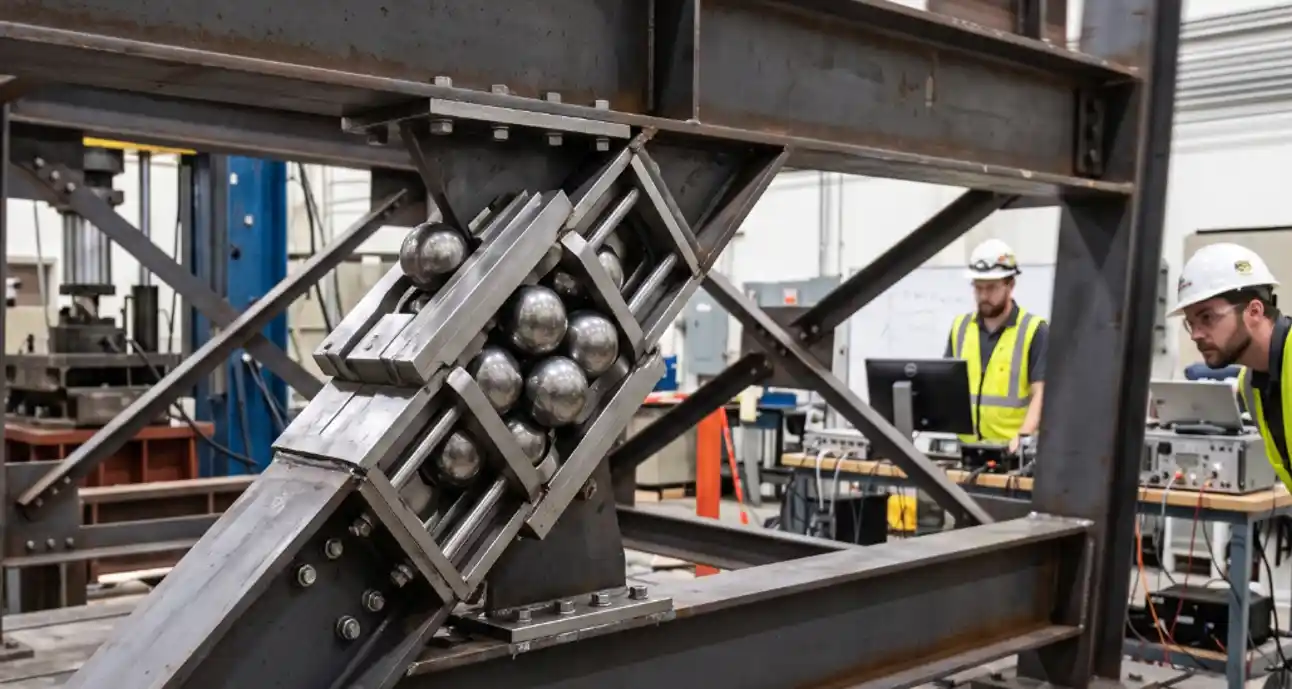
Davis tackled this by combining two different manufacturing techniques: extrusion and pultrusion.
In extrusion, softened plastic is pushed through a shaped opening to produce a continuous strand. Pultrusion works in the opposite way: instead of pushing material through, a mechanism pulls it through the system. Davis combined the two approaches so that the plastic could be processed and then pulled into a more controlled filament.
After more than 800 hours of work, 50 iterations and numerous redesigns, his system became about 45% more efficient than standard re-extrusion approaches. It could also produce filament with fewer particles and cost about 90% less than commercial recycling options. The machine can process both 3D-printing waste and PET plastic, such as material from discarded bottles, giving plastic that would otherwise become waste another possible use.
Davis’s project, called “From Crude to Extrude,” earned first place in Engineering Technology: Statics & Dynamics at the 2025 Regeneron International Science and Engineering Fair. He also received a $75,000 Regeneron Young Scientist Award, one of the competition’s top honours. The bigger idea is not simply recycling one spool of filament. If small workshops, schools and hobbyists could recycle their own plastic into usable printing material, 3D printing could become a little less dependent on producing new plastic every time a project begins.
Sometimes, reducing waste doesn’t require changing what we make. It can mean finding a way to make yesterday’s waste useful again.
Sources
- Bishop Feehan High School. (2025). Feehan sophomore Benjamin Davis wins prestigious, national Young Scientist Award at International Science and Engineering Fair.